
Robert Collier Biography Quotes 34 Report mistakes
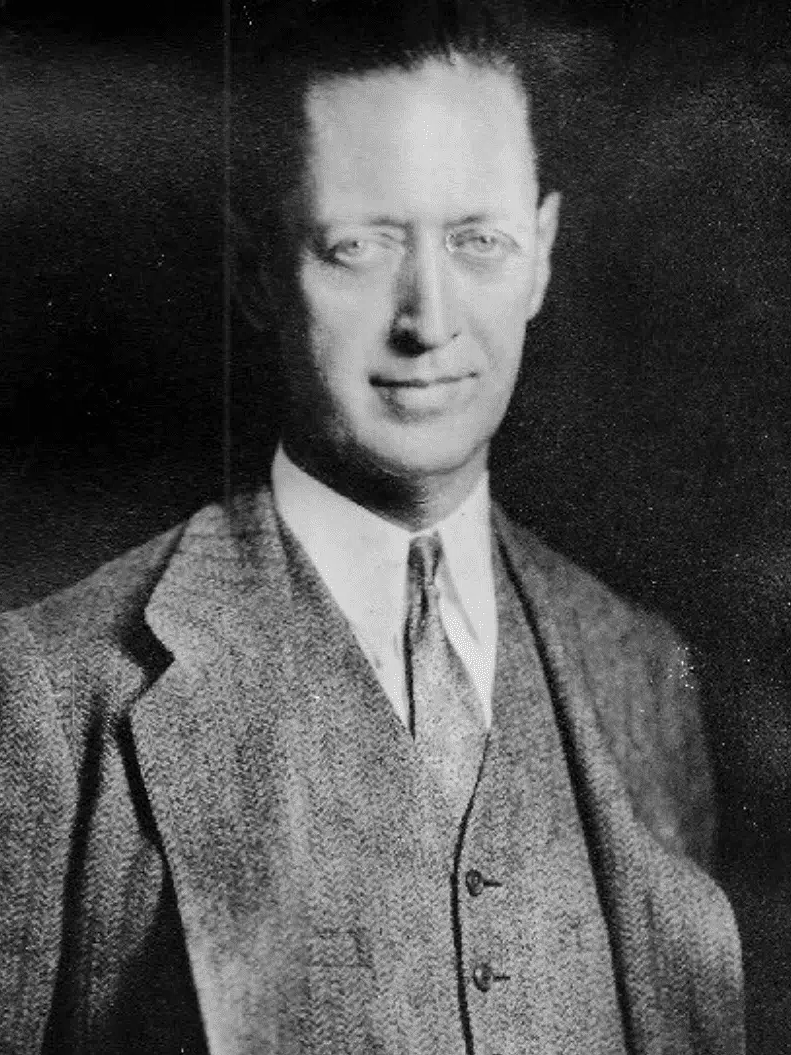
Attr: digiexe.com
| 34 Quotes | |
| Born as | Leo Robert Collier |
| Occup. | Author |
| From | USA |
| Born | April 19, 1885 St. Louis, Missouri, United States |
| Died | January 30, 1950 St. Petersburg, Florida, United States |
| Aged | 64 years |
| Cite | |
Citation Formats
APA Style (7th ed.)
Robert collier biography, facts and quotes. (2026, February 11). FixQuotes. https://fixquotes.com/authors/robert-collier/
Chicago Style
"Robert Collier biography, facts and quotes." FixQuotes. February 11, 2026. https://fixquotes.com/authors/robert-collier/.
MLA Style (9th ed.)
"Robert Collier biography, facts and quotes." FixQuotes, 11 Feb. 2026, https://fixquotes.com/authors/robert-collier/. Accessed 26 Mar. 2026.
Early Life and Background
Robert Collier was born on April 19, 1885, in the United States, into a country intoxicated by modernity - mass newspapers, mail-order catalogs, and a new, hungry middle class were reshaping what Americans read and what they believed was possible. By the time he reached adulthood, the Progressive Era had already made "self-improvement" a public ideal, and advertising had begun to function as a kind of secular sermon, promising that the right product, the right habit, or the right attitude could remake a life.Collier matured in a culture where publishing was becoming both an industry and an influence-machine: print runs grew, national distribution tightened, and writers competed not only for attention but for trust. That background mattered. His later identity as a publisher and popularizer was built on the conviction that ideas could be manufactured into repeatable forms - headlines, short lessons, booklets, serialized pieces - and then delivered at scale, like any other modern commodity, to people who wanted reassurance that their private struggles had an answer.
Education and Formative Influences
Specific details of Collier's formal education are less securely documented than his public work, but his formation is legible in the idioms he adopted: the language of early 20th-century American salesmanship, the moral tone of Protestant self-culture, and the emerging "New Thought" tradition that treated mind, belief, and expectation as practical forces. The era's best-selling motivational writers and business lecturers provided a template - concise assertions, parables of effort rewarded, and a faith in personal agency compatible with industrial capitalism - and Collier learned to edit those impulses into publishable, portable instruction.Career, Major Works, and Turning Points
Collier became best known as an American publisher and a leading voice in popular self-help, with a reputation anchored to his long-running collection "The Secret of the Ages", which circulated widely in the first half of the 20th century and was reprinted in many formats. The Great Depression and, later, World War II intensified demand for practical hope, and Collier's publishing instincts met that demand: he framed psychological resilience as a skill, not a mystery, and positioned discipline of thought as a tool as real as money or training. His turning point was not a single sensational event but the steady refinement of a method - turning metaphysical optimism into direct, repeatable counsel that could be marketed as a course of action.Philosophy, Style, and Themes
Collier's inner life, as it appears through his writing and editorial posture, is organized around one dominant anxiety: the fear of being pushed by forces one does not control - circumstance, habit, the opinions of others. He answered that fear with an almost industrial model of the mind. In his view, belief was not merely something you held; it was something you produced. “Constant repetition carries conviction”. The sentence reads like an advertising principle, but it also reveals a psychology that trusts procedure more than mood: repeat the desired thought until it becomes the default, then act from that new default as if it were already true.That procedural certainty also carried an ethical edge. Collier warned that divided intention sabotages will, implying that many people fail not from lack of desire but from internal contradiction. “One might as well try to ride two horses moving in different directions, as to try to maintain in equal force two opposing or contradictory sets of desires”. His style followed the same logic: short, declarative, built to be reread and rehearsed. At his most revealing, he treated mental clutter as the enemy of purpose, urging readers to excavate a single, central aim from the noise of fear and distraction - “It is your work to clear away the mass of encumbering material of thoughts, so that you may bring into plain view the precious thing at the center of the mass”. In that imperative is the publisher's temperament: selection, emphasis, and reduction until the message becomes actionable.
Legacy and Influence
Collier died on January 30, 1950, but his influence persisted through the postwar self-improvement boom and into later motivational and "law of attraction" lineages that borrowed his core mechanism: disciplined attention, repeated assertion, and the transformation of belief into habit. As a publisher, he helped normalize the idea that psychological instruction belonged in the marketplace alongside news and entertainment, and that a well-crafted paragraph could function like training. His lasting imprint is less about a single doctrine than about a method of persuasion - condensed, repeatable, confidence-building - that continues to shape how modern readers expect hope to sound: immediate, practical, and written as if the mind can be managed the way a life can be organized.Our collection contains 34 quotes written by Robert, under the main topics: Motivational - Wisdom - Love - Learning - Faith.
Robert Collier Famous Works
- 1947 The Secret of the Ages (Revised Edition) (Non-fiction)
- 1928 The God in You (Non-fiction)
- 1926 The Secret of the Ages (Non-fiction)
Source / external links