
Robert G. Ingersoll Biography Quotes 40 Report mistakes
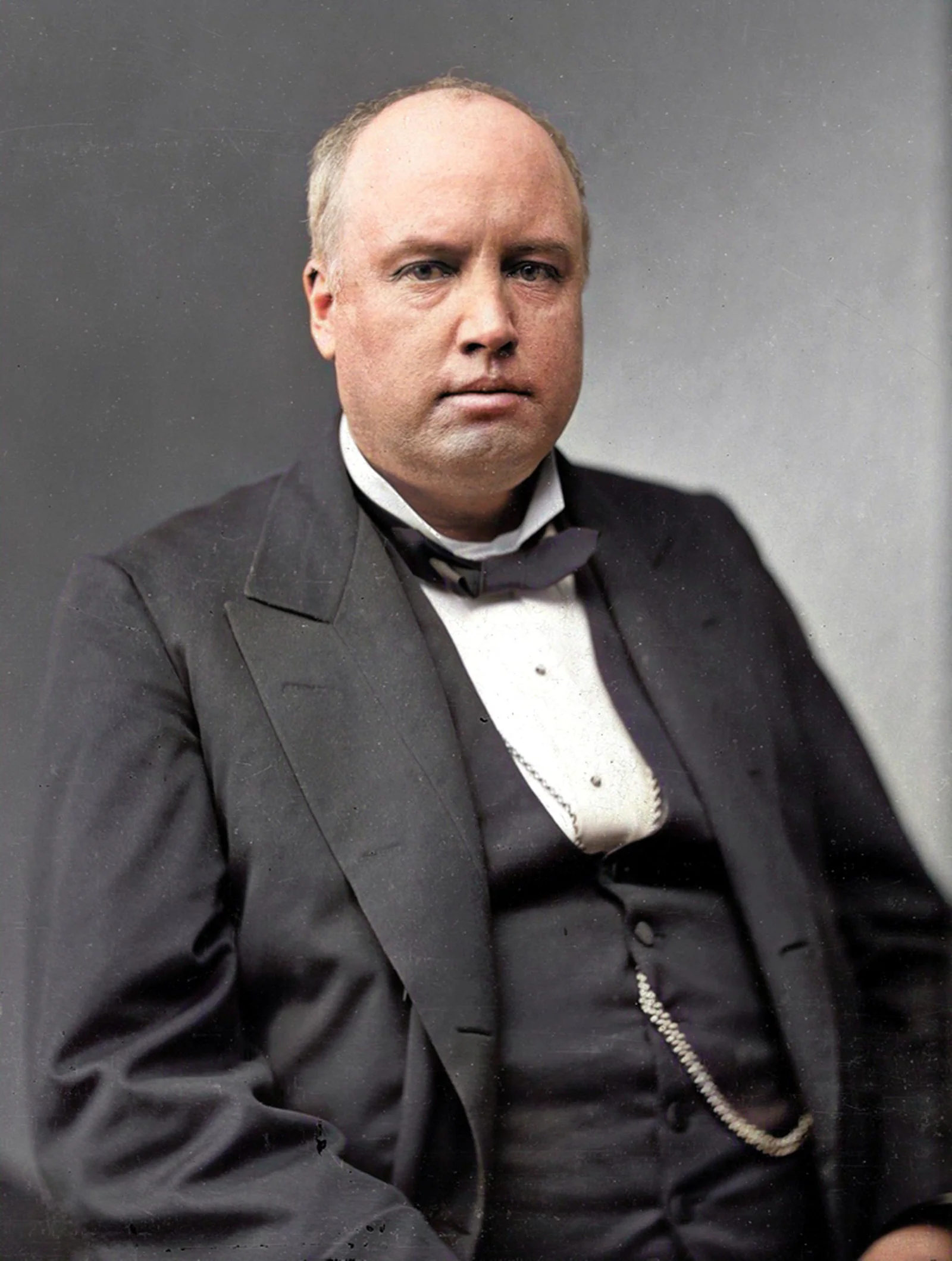
| 40 Quotes | |
| Born as | Robert Green Ingersoll |
| Known as | The Great Agnostic |
| Occup. | Lawyer |
| From | USA |
| Spouse | Eva Parker Ingersoll |
| Born | August 11, 1833 Dresden, New York, USA |
| Died | July 21, 1899 Dobbs Ferry, New York, USA |
| Aged | 65 years |
| Cite | |
Citation Formats
APA Style (7th ed.)
Robert g. ingersoll biography, facts and quotes. (2026, February 2). FixQuotes. https://fixquotes.com/authors/robert-g-ingersoll/
Chicago Style
"Robert G. Ingersoll biography, facts and quotes." FixQuotes. February 2, 2026. https://fixquotes.com/authors/robert-g-ingersoll/.
MLA Style (9th ed.)
"Robert G. Ingersoll biography, facts and quotes." FixQuotes, 2 Feb. 2026, https://fixquotes.com/authors/robert-g-ingersoll/. Accessed 25 Mar. 2026.
Early Life and Background
Robert Green Ingersoll was born on August 11, 1833, in Dresden, New York, into the itinerant world of the burned-over district, where revivalism, reform, and dissent competed for souls. His father, John Ingersoll, was a Congregational minister whose pulpit moved with his conscience; the family followed his postings across New York and later into the Midwest, learning early the costs of unpopular belief. Robert grew up amid sermons, small-town gossip, and the moral absolutism of antebellum Protestant culture - an environment that trained his ear for rhetoric even as it sharpened his resistance to dogma.In 1839 his mother, Mary Livingston Ingersoll, died, a loss that left him with an emotional sobriety beneath his later bravura. The household that remained was often poor and publicly scrutinized, especially when John Ingersoll preached antislavery views that invited backlash. That mixture of grief, instability, and moral argument produced in Robert a lifelong allergy to cruelty disguised as virtue and a practical empathy for outsiders, whether skeptics, soldiers, or the accused in court.
Education and Formative Influences
Ingersoll had little formal schooling; he read widely, apprenticed in law with his older brother Ebon C. Ingersoll, and absorbed the cadences of the Bible while learning to argue against the logic that authorities claimed it proved. Moving to Illinois, he entered the energetic legal and political culture of the frontier, where courtroom persuasion and party stump-speaking were forms of public theater. The era also offered him models of freethought and liberal reform - Thomas Paine, Jeffersonian anti-clericalism, and the emerging language of science - which he blended with a lawyer's respect for evidence and a humanist's impatience with inherited terror.Career, Major Works, and Turning Points
Admitted to the bar in Illinois in the 1850s, Ingersoll became a prominent attorney and Republican organizer, supporting the Union and emancipation. He served as a colonel in the 11th Illinois Cavalry during the Civil War, was captured by Confederate forces in 1862, and paroled - an experience that deepened his sense that patriotism without humanity is merely another creed. After the war he rose as Illinois Attorney General (1867-1869) and one of the nation's most celebrated lecturers, traveling relentlessly with speeches later circulated in print, including "The Gods", "Some Mistakes of Moses", "Why I Am an Agnostic", and "Ghosts". His 1876 nominating speech for James G. Blaine at the Republican convention - the "Plumed Knight" oration - cemented his fame, even as his outspoken agnosticism blocked higher office and made his private legal practice, in Peoria and later New York City, the steadier anchor of his livelihood.Philosophy, Style, and Themes
Ingersoll's inner life revolved around a tension he rarely sentimentalized: the desire for meaning without surrendering the intellect. He treated metaphysics as a human need, not a license for coercion. When he quipped, “Hope is the only universal liar who never loses his reputation for veracity”. , he was diagnosing both his age and himself - a century that sold consolation as certainty, and a man determined to keep consolation honest. His moral center was secular: he argued that ethics begins in sympathy and ends in tangible relief, not in celestial bookkeeping, insisting that “Happiness is not a reward - it is a consequence. Suffering is not a punishment - it is a result”. The sentence reads like courtroom causation, but it also exposes his psychological project: to replace fear with responsibility, and guilt with repair.His style fused lawyerly cross-examination with poet's imagery - short, cutting antitheses, then sudden lyric expansiveness. He mocked the rhetoric of piety when it became a weapon, warning that “Insolence is not logic; epithets are the arguments of malice”. , a line that captures his distaste for mob certainty whether in church or politics. Yet he was not a cold rationalist; his lectures often pivoted from demolition to consolation, from criticism of miracles and hell to a tender defense of love, laughter, and home. Ingersoll understood that a public unbeliever needed more than negation - he needed to offer an emotional alternative to the world his audience had been taught to fear.
Legacy and Influence
Ingersoll died on July 21, 1899, in Dobbs Ferry, New York, after years as the best-known agnostic in America, a figure admired for eloquence and attacked for heresy. His influence persisted less through a single canonical book than through a model of public secularism: fierce on liberty of conscience, generous toward human frailty, and skeptical of institutions that demanded submission. Later freethinkers, civil libertarians, and humanist writers drew on his insistence that the state must not enforce theology and that moral dignity does not require supernatural sanction. In an era that tried to discipline doubt, Ingersoll made doubt articulate - and made compassion, not fear, the measure of belief.Our collection contains 40 quotes written by Robert, under the main topics: Ethics & Morality - Truth - Wisdom - Justice - Love.
Frequently Asked Questions
- Robert Ingersoll's profession? Robert G. Ingersoll was a prominent American lawyer, a Civil War veteran, politician, and orator.
- Robert Ingersoll happiness: Robert Ingersoll emphasized happiness and joy as critical aspects of human life and liberally expressed these ideas in his speeches and writings.
- Ingersoll meaning: Ingersoll is an English-derived surname, which might mean 'someone from Ingersoll', a place name.
- At the tomb of Napoleon Robert G. Ingersoll summary: In this 1882 lecture, Ingersoll honors Napoleon as a liberator who spread the ideals of the French Revolution, though he criticizes his later abuses of power.
- Ingersoll Rand: Ingersoll Rand is an American multinational industrial manufacturing company, not directly associated with Robert G. Ingersoll.
- Robert Ingersoll we rise by lifting others: This quote isn't attributed to Robert Ingersoll. It's most commonly associated with Robert Ingersoll, an American watchmaker, and philanthropist.
- How old was Robert G. Ingersoll? He became 65 years old
Source / external links