
Robert Kardashian Biography Quotes 5 Report mistakes
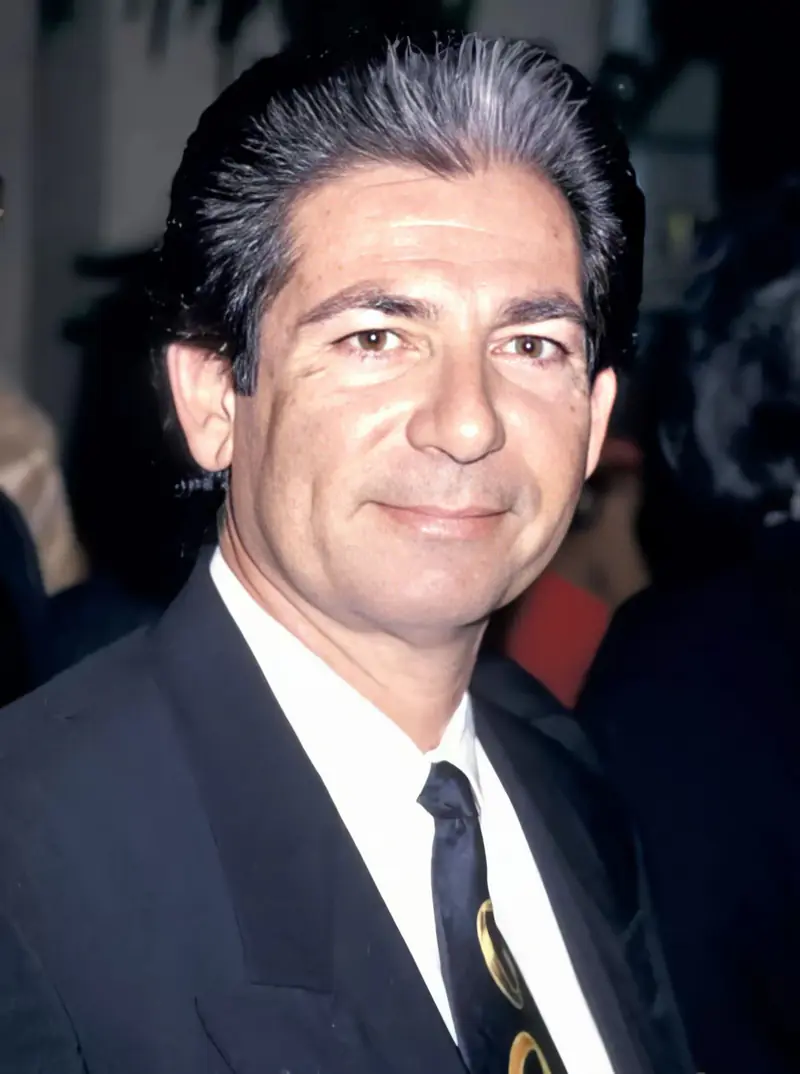
| 5 Quotes | |
| Born as | Robert George Kardashian |
| Occup. | Lawyer |
| From | USA |
| Born | February 22, 1944 Los Angeles, California |
| Died | September 30, 2003 |
| Aged | 59 years |
| Cite | |
Citation Formats
APA Style (7th ed.)
Robert kardashian biography, facts and quotes. (2026, February 3). FixQuotes. https://fixquotes.com/authors/robert-kardashian/
Chicago Style
"Robert Kardashian biography, facts and quotes." FixQuotes. February 3, 2026. https://fixquotes.com/authors/robert-kardashian/.
MLA Style (9th ed.)
"Robert Kardashian biography, facts and quotes." FixQuotes, 3 Feb. 2026, https://fixquotes.com/authors/robert-kardashian/. Accessed 10 Feb. 2026.
Early Life and Background
Robert George Kardashian was born on February 22, 1944, in Los Angeles, California, into an Armenian American family whose history carried the imprint of survival and reinvention. The Kardashian name was rooted in the Armenian diaspora, and the family moved in the orbit of Southern California postwar aspiration - upwardly mobile, status-conscious, and intensely networked. That milieu mattered: in mid-century Los Angeles, business, entertainment, and law formed a tight ecosystem in which personal trust could be as valuable as formal credentials.He came of age during a period when America was renegotiating authority - the civil rights movement, Vietnam, and a new skepticism toward institutions. Yet Kardashian tended toward the stabilizing virtues of his era's professional class: discretion, loyalty, and the belief that private discipline should shield public chaos. Long before his name became inseparable from televised celebrity, he understood reputation as something built through relationships and guarded through restraint, a posture that would define both his professional choices and his most consequential public exposure.
Education and Formative Influences
Kardashian attended the University of Southern California, where he earned a business degree, then studied law at the University of San Diego School of Law, receiving his Juris Doctor in the late 1960s. USC connected him to a distinctly Los Angeles blend of elite fraternities, athletics, and future power brokers, while legal training sharpened his sense of procedure, evidence, and the uses - and limits - of persuasion. His formative influences were less ideological than practical: mentors and peers who treated reliability as a form of capital, and a city in which deals, friendships, and litigation often overlapped.Career, Major Works, and Turning Points
He practiced law and pursued business ventures, including interests associated with music and marketing, but his public identity crystallized in 1994-1995 when he joined O.J. Simpson's criminal defense team during the murder trial of Nicole Brown Simpson and Ronald Goldman. Kardashian had been Simpson's close friend, and he reactivated his law license to participate, a decision that fused personal loyalty with professional duty in full national view. The trial - a media-saturated referendum on race, policing, celebrity, and truth - turned him into a reluctant household name, remembered for his presence at counsel table and for moments that suggested private conflict amid public performance. Afterward, he returned to a quieter life, while his family moved increasingly into the spotlight. He died in Los Angeles on September 30, 2003, from esophageal cancer.Philosophy, Style, and Themes
Kardashian's inner life, as glimpsed through interviews and the testimonies of those around him, was organized around boundary-keeping: between public and private, friendship and obligation, emotion and argument. He insisted, "I don't like the limelight. I don't like to be on camera. I don't like to be on the front page of the newspaper. I just want to do my job". That aversion was not mere modesty - it was a worldview shaped by the belief that exposure distorts truth, and that the more a case becomes theater, the more a person must cling to craft. In a decade when cable news accelerated the conversion of trials into content, his preference for invisibility read almost old-fashioned, a remnant of the lawyer as backstage technician rather than public personality.A second theme was loyalty, treated not as sentiment but as structure. "I think loyalty is a very important trait in any relationship. Whether it's a business relationship, a personal relationship, or a family relationship". In the Simpson era, loyalty became ethically complicated: to stand beside a friend could also mean proximity to narratives one might privately doubt. Kardashian also framed conscience as non-negotiable - "I know the difference between right and wrong, and I'm not going to equivocate on that". - suggesting a man who experienced moral judgment as clear even when circumstances demanded ambiguity. His style, accordingly, was restrained and interpersonal: he valued trust, read rooms carefully, and seemed to carry the strain of reconciling public allegiance with private evaluation.
Legacy and Influence
Kardashian's legacy is paradoxical: he is remembered less for a body of legal work than for a single, era-defining trial that exposed the collision of law, celebrity, and mass media. Yet that very paradox made him influential. He became an archetype of the loyal confidant caught in history's glare, and his surname - once associated with professional respectability and Armenian American ascent - later became a global brand through his children, reframing his life as a prologue to a different kind of fame. In biographies of the 1990s, he remains a humanizing figure at the edge of a spectacle, a reminder that behind televised narratives are private relationships, private doubts, and the enduring costs of standing by one's commitments.Our collection contains 5 quotes written by Robert, under the main topics: Ethics & Morality - Truth - Honesty & Integrity - Work - Relationship.
Other people related to Robert: O. J. Simpson (Athlete), Kato Kaelin (Celebrity), Kim Kardashian (Celebrity), Lance Ito (Judge)
Source / external links