
Robert Matsui Biography Quotes 5 Report mistakes
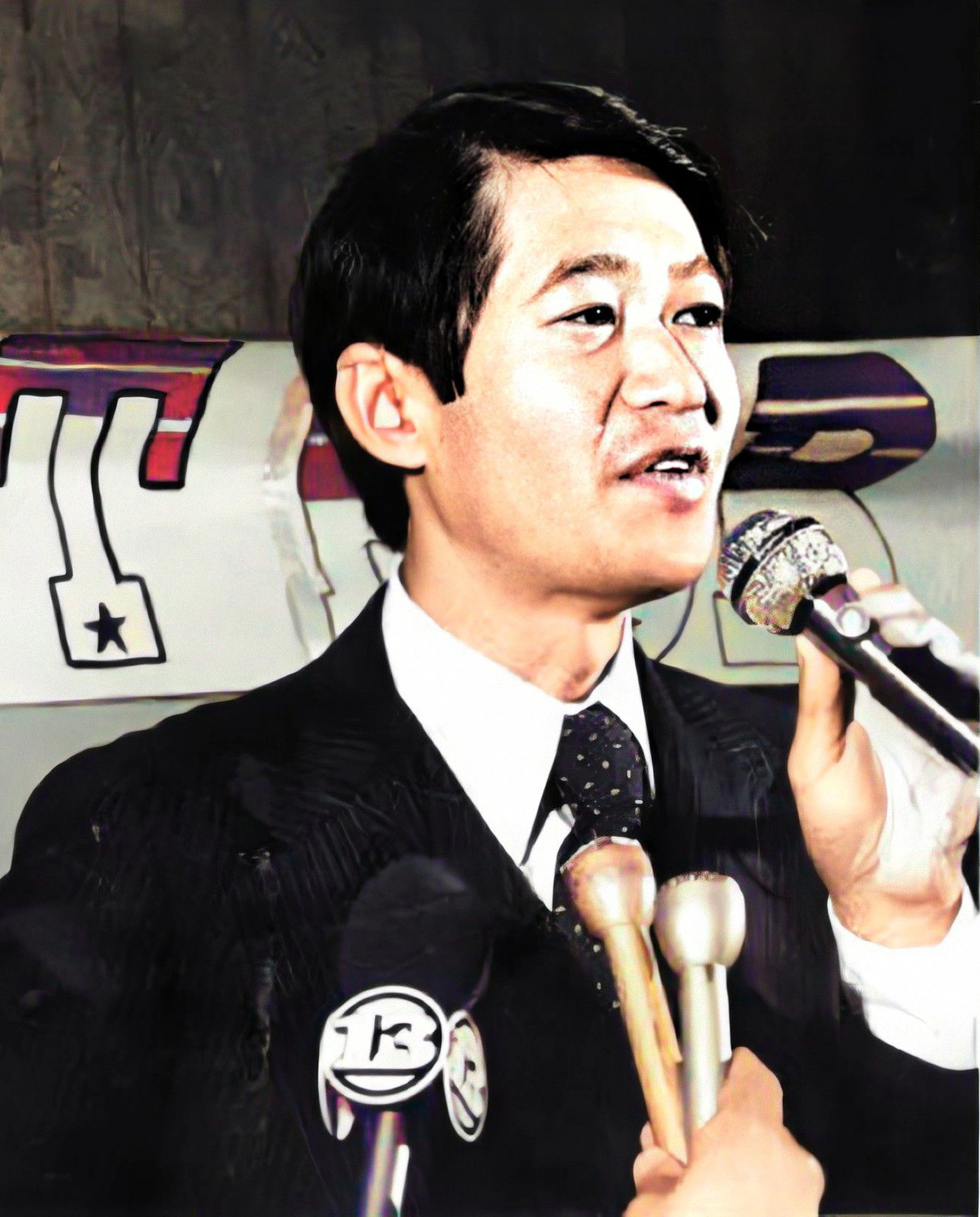
| 5 Quotes | |
| Occup. | Politician |
| From | USA |
| Spouse | Doris Okada Matsui |
| Born | September 17, 1941 Sacramento, California, USA |
| Died | January 1, 2005 Sacramento, California, USA |
| Cause | Complications from myelodysplastic syndrome |
| Aged | 63 years |
| Cite | |
Citation Formats
APA Style (7th ed.)
Robert matsui biography, facts and quotes. (2026, February 11). FixQuotes. https://fixquotes.com/authors/robert-matsui/
Chicago Style
"Robert Matsui biography, facts and quotes." FixQuotes. February 11, 2026. https://fixquotes.com/authors/robert-matsui/.
MLA Style (9th ed.)
"Robert Matsui biography, facts and quotes." FixQuotes, 11 Feb. 2026, https://fixquotes.com/authors/robert-matsui/. Accessed 28 Mar. 2026.
Early Life and Family Background
Robert Takeo Matsui was born in 1941 in Sacramento, California, to a Japanese American family whose life was profoundly affected by World War II. As an infant he and his parents were forced from their home under Executive Order 9066 and incarcerated at the Tule Lake War Relocation Center. That experience, searing even in early childhood memory through family stories and the lasting consequences it had on relatives and neighbors, became a touchstone for his later public service. Returning to Sacramento after the war, his family worked to rebuild their lives in a community where trust and opportunity had been shaken, and those lessons of resilience, fairness, and the need for civic participation shaped his path.Education and Early Career
Matsui attended public schools in Sacramento and went on to the University of California, Berkeley, earning a degree before continuing to law school in the state system. After admission to the California bar, he established himself as an attorney in Sacramento. His legal practice deepened his understanding of how policy affects everyday life, and it brought him into contact with neighborhood leaders, small-business owners, and families who would later become the core of his political coalition. He married Doris Okada, and the couple made Sacramento their home, raising a son there and building a partnership that blended public service and community advocacy.Entry into Public Service
Matsui's first elective office came at the city level, where he focused on practical issues such as budgeting, municipal services, and downtown revitalization. He gained a reputation for careful preparation, an ability to find common ground, and a commitment to the Sacramento region's long-term health. Those traits, along with steady engagement with civic groups and labor and business leaders, helped position him for higher office when the congressional seat centered on Sacramento opened upon the retirement of longtime representative John Moss.U.S. House of Representatives
Elected to the U.S. House in 1978, Matsui took office in January 1979 and would go on to represent the Sacramento area for the rest of his life. A Democrat known for diligence and civility, he served on the powerful House Ways and Means Committee, where tax policy, trade, health programs, and Social Security were constant subjects of negotiation. He developed expertise in these technical areas, becoming a trusted voice who could translate complex proposals into plain language for constituents and colleagues alike.
Over time, Matsui became a leading defender of Social Security, arguing for its solvency and reliability during periods when privatization and structural overhaul were hotly debated in Washington. He collaborated closely with colleagues across the ideological spectrum, cultivating relationships that allowed him to advance Sacramento's interests while participating in national debates. He worked with House leaders from California and beyond, including Nancy Pelosi, and with fellow Japanese American members such as Norman Mineta, to elevate issues of civil rights and inclusion.
Redress and Civil Liberties
One of Matsui's most enduring contributions was his leadership in achieving federal redress for Japanese Americans incarcerated during World War II. Drawing on his own family's experience, he pushed for a fuller historical reckoning through hearings and testimony, supported the work of the commission that investigated the wartime incarceration, and helped guide legislation toward passage. He was part of a bipartisan coalition that included House allies such as Don Edwards and Norman Mineta, and he worked with Senate champions Daniel Inouye and Spark Matsunaga. Republican Senator Alan Simpson, whose wartime friendship with Mineta became emblematic of reconciliation, also played an important role. The effort culminated in the Civil Liberties Act of 1988, signed by President Ronald Reagan, which acknowledged the injustice and provided symbolic restitution. Matsui's hand can be traced in the careful building of that coalition and in the moral clarity he brought to the floor debates.Constituent Service and Regional Projects
Matsui was equally identified with attentive constituent service and Sacramento-specific priorities. He worked to secure federal support for flood control along the American River and the greater Sacramento floodplain, partnering with regional officials, the Army Corps of Engineers, and neighboring members of Congress to push for levee improvements and dam safety. He advocated for transportation and infrastructure funding that would allow the city and surrounding communities to grow more resiliently. In these efforts he often collaborated with fellow Northern California representatives, sharing credit and focusing on measurable outcomes at home rather than national spotlight.Political Strategy and Party Leadership
Within the Democratic caucus, Matsui earned a reputation as a disciplined strategist and a formidable fundraiser, helping colleagues in competitive districts. He worked closely with party leaders during cycles when House control and legislative agendas were fiercely contested, and he mentored younger members on policy and the demands of modern campaigning. His soft-spoken manner concealed a rigorous command of detail, and he was frequently called upon to help craft compromise language on tax and trade provisions that could withstand scrutiny on the House floor.Personal Character and Relationships
Those who worked with Matsui often emphasized his courtesy and steadiness, traits that fostered durable friendships in a partisan environment. His partnership with his wife, Doris Matsui, was central to his public life; she was a visible presence in Sacramento and Washington and an experienced policy hand in her own right. He maintained close ties to colleagues who shared his commitment to civil rights and to those who differed on ideology but respected his integrity. Mineta, Inouye, and others in the Japanese American community viewed him as a bridge-builder who connected personal history to national purpose.Final Years and Legacy
Reelected in 2004, Matsui prepared to begin another term when he was hospitalized with a serious blood disorder. He died in early 2005, just before the new Congress convened. His passing was widely mourned in Sacramento and in the House, where tributes emphasized the sweep of his contributions: the redress law that helped the nation confront a grievous chapter; the persistent work on Social Security and tax policy; and the tangible improvements in flood protection and infrastructure that made his district safer.Soon after his death, Doris Matsui ran for and won the special election to succeed him, continuing the work they had shared and ensuring continuity for the district. In the years since, schools, civic programs, and community discussions about civil liberties and public service have kept his memory alive. Robert Matsui's story remains a testament to how personal history can inform public duty, how patience and coalition-building can yield landmark legislation, and how a representative rooted in local concerns can shape national policy with lasting effect.
Our collection contains 5 quotes written by Robert, under the main topics: Justice - Human Rights - Tough Times - Learning from Mistakes.
Source / external links