
Robert Morgan Biography Quotes 49 Report mistakes
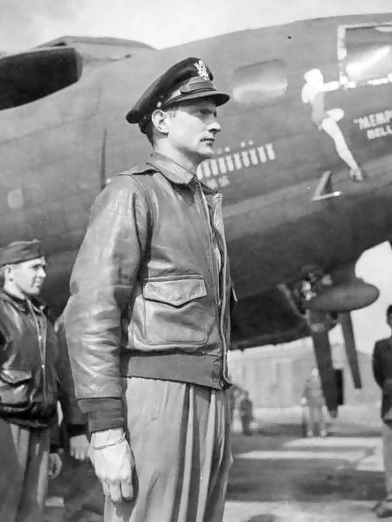
| 49 Quotes | |
| Occup. | Soldier |
| From | USA |
| Born | July 31, 1918 |
| Died | May 15, 2004 |
| Aged | 85 years |
| Cite | |
Citation Formats
APA Style (7th ed.)
Robert morgan biography, facts and quotes. (2026, February 11). FixQuotes. https://fixquotes.com/authors/robert-morgan/
Chicago Style
"Robert Morgan biography, facts and quotes." FixQuotes. February 11, 2026. https://fixquotes.com/authors/robert-morgan/.
MLA Style (9th ed.)
"Robert Morgan biography, facts and quotes." FixQuotes, 11 Feb. 2026, https://fixquotes.com/authors/robert-morgan/. Accessed 12 Feb. 2026.
Early Life and Background
Robert K. Morgan was born in 1918 in Asheville, North Carolina, and grew up in a nation shaped by the aftermath of World War I and the hardships of the Great Depression. The mountains and mills around his hometown provided a steady rhythm to life, but his imagination was drawn to the expanding horizons of aviation that filled newspapers and newsreels during his youth. By temperament he was calm, deliberate, and curious, traits that would later make him a steady hand in the cockpit and a natural leader among peers. Family expectations emphasized hard work and responsibility, and those values accompanied him when he chose military service as global tensions escalated in the late 1930s.Path to Military Service
Morgan entered the United States Army Air Corps, a branch that soon became the United States Army Air Forces as America prepared for global war. He trained as a pilot during an era when heavy bombers were being introduced in large numbers, and the crews that formed around these aircraft forged bonds that were both professional and intensely personal. The people closest to him early in his career were fellow trainees and instructors who demanded precision and teamwork. Those standards shaped his approach to flying, to maintenance discipline, and to the crew cohesion that would be vital once the missions became real and the risks immediate.War in Europe and the Memphis Belle
Assigned to the Eighth Air Force in England, Morgan piloted a B-17 Flying Fortress that became one of the most famous aircraft of World War II: Memphis Belle. The aircraft's name honored his wartime sweetheart, Margaret Polk of Memphis, whose presence in his life gave the bomber its identity and helped humanize the distant war for people back home. In the cockpit alongside Morgan was his trusted copilot, James Verinis, whose steadiness complemented Morgan's own. Around them the crew, navigator, bombardier, radio operator, gunners, and flight engineer, formed a small family, each role essential to keeping the aircraft aloft and the mission on course.Operating in 1942 and 1943, the crew flew daylight missions over occupied Europe and Germany, facing flak bursts that marked the sky with black puffs and fighter attacks that tested nerve and skill. With each sortie the crew's trust in Morgan's judgment deepened, and his confidence in them grew in kind. The Memphis Belle became emblematic not just because it survived, but because its crew represented the teamwork, discipline, and courage that heavy bombing demanded. When the Belle and its crew completed the milestone of 25 missions and returned to the United States for a war bond tour, they were celebrated from factory floors to city squares, a living symbol of the nation's resolve.
Public Recognition and the Power of Film
The crew's story reached millions through the work of director William Wyler, whose documentary about the Memphis Belle brought the faces and voices of the air war into American theaters. Wyler's film captured Morgan's leadership in the cockpit and the interdependence among the crew. The movie, in turn, made the men more than names in a newspaper column; it made them present in the lives of families who had sons overseas. The film also marked the start of Morgan's long public association with the Memphis Belle's legacy, a responsibility he would carry with humility and care in later decades. During the bond tour, Morgan met workers, Gold Star families, and young recruits, drawing energy from their stories and offering reassurance that perseverance mattered.Transition to the Pacific and the B-29 Campaign
After the European tour, Morgan's experience made him a natural fit for the newest strategic bomber, the B-29 Superfortress. Transitioning to this markedly different aircraft required mastering new systems and tactics, and it brought him into the early phases of the strategic air campaign against Japan. He piloted Dauntless Dotty and helped lead the first B-29 bombing raid on Tokyo from the Marianas, an operation that signaled a new stage in the Pacific war. The shift demanded new forms of teamwork, new support crews, and trust in senior commanders guiding a massive logistical effort. Morgan's role in this campaign cemented his reputation as a pilot who could navigate both technical complexity and the strain of command.Leadership, Crew Bonds, and Personal Relationships
Throughout his service, the people around Morgan defined much of his impact. Copilot James Verinis provided continuity and calm in the cockpit. The crew's navigator and bombardier translated intelligence and weather into targeting decisions that Morgan executed with careful control. Ground crew chiefs, whose names rarely made the newsreels, kept the aircraft airworthy; Morgan credited them frequently and publicly, emphasizing that his crew survived because expert hands on the ground made it possible. On the home front, Margaret Polk remained a significant figure, her connection to the Memphis Belle making her part of the aircraft's enduring story. Veterans he met along the way, both senior officers and enlisted specialists, offered mentorship and friendship that he carried forward after the war.Return to Civilian Life
After the war, Morgan returned to civilian life with the same discipline and focus that had guided him in combat. He built a career, raised a family, and remained closely engaged with aviation communities and veterans' organizations. Speaking at schools, reunions, air shows, and museums, he emphasized preparation, teamwork, and the quiet courage required to keep a promise under stress. He often framed his experience not as a story of individual heroism, but as the product of a system in which every specialist, from armorers to meteorologists, held a piece of the mission's success. Those he considered most important in peacetime were family members who provided stability and the veterans who shared the burdens and the memories.Writing and Historical Stewardship
Late in life, Morgan worked to preserve the history he had lived. He coauthored a memoir that gave voice to the daily reality of a bomber crew: the checklists, the briefings, the rituals of luck, and the deep gratitude felt after landing. The book served not only as his personal account but also as a guide for readers seeking to understand how leadership and trust can hold a small team together when circumstances turn lethal. Morgan supported museum efforts and restoration projects, encouraging careful preservation of artifacts and accurate storytelling, and he urged the public to remember both the celebrated aircraft and the crews whose names were not as widely known.Legacy and Memory
Morgan's legacy rests in three intertwined strands: his operational achievements, the people around him, and the public memory that grew from both. The Memphis Belle symbolized endurance, and the film that featured his crew helped millions comprehend the cost of strategic bombing. His transition to the B-29 campaign linked his experience to the Pacific theater's decisive final phase. The most important people around him, his crew, Margaret Polk, colleagues like James Verinis, and documentarians like William Wyler, ensured that the story was vivid and human rather than merely technical. For Morgan, legacy was not ownership; it was stewardship, the responsibility to pass the story forward faithfully.Character and Final Years
Those who met Morgan in his later years describe a man who was generous with time and modest about praise, more likely to credit a crew chief's late-night repair than to dwell on his own piloting. He attended reunions, honored fallen friends, and spoke candidly about fear and duty. He died in 2004, leaving behind a family proud of his service and a public that had come to see in him the qualities of a citizen airman at war: competence under pressure, loyalty to those beside him, and a commitment to getting the job done. His memory endures in museums, in classrooms, in airfields where historic aircraft still fly, and in the lives of those who learned from his example that leadership is a daily practice of trust, preparation, and care for others.Our collection contains 49 quotes written by Robert, under the main topics: Writing - New Beginnings - Movie - Poetry - Father.