
Robert South Biography Quotes 17 Report mistakes
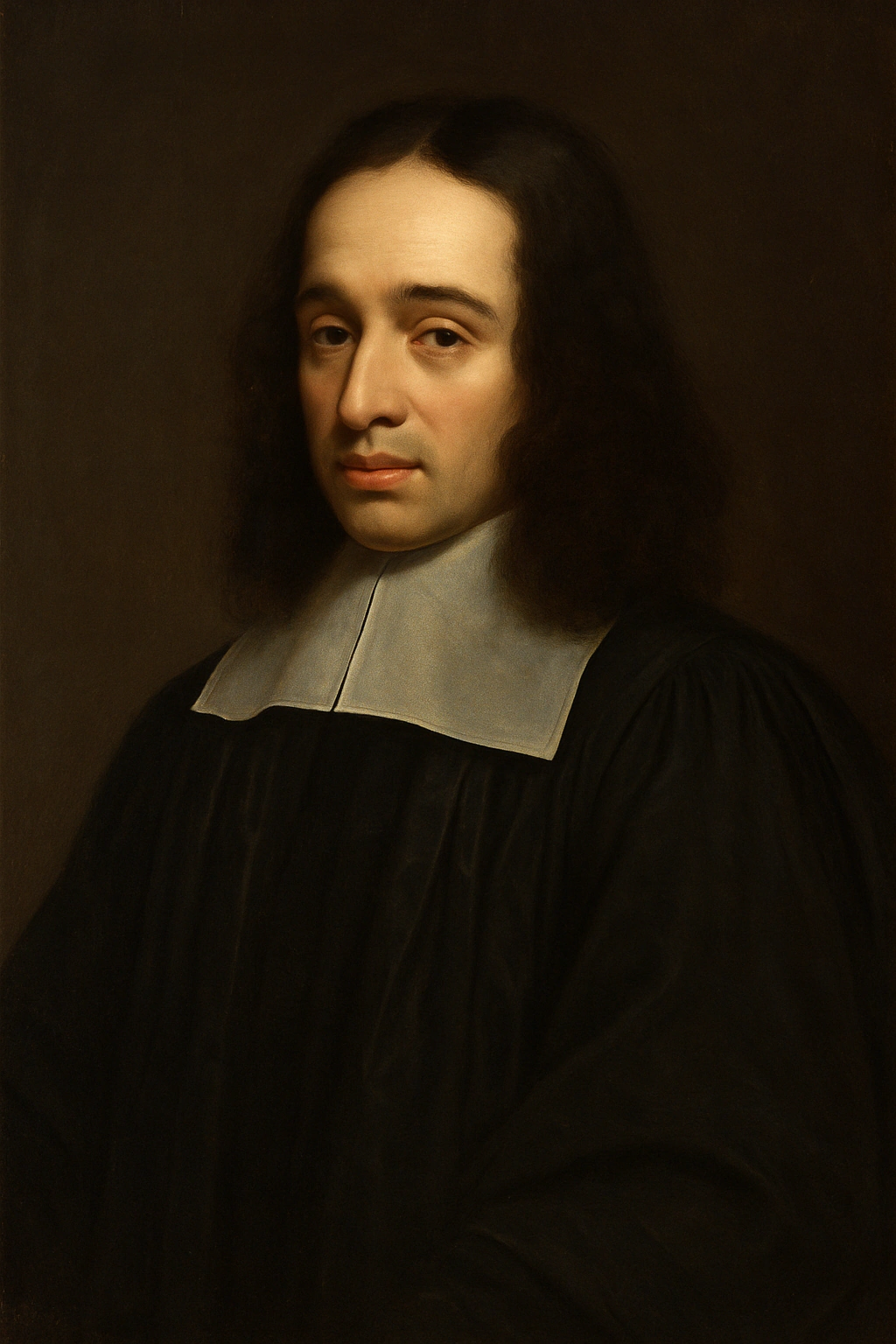
Attr: William Dobson
| 17 Quotes | |
| Occup. | Clergyman |
| From | England |
| Born | September 4, 1634 Hackney, Middlesex, England |
| Died | July 8, 1716 Westminster, London, England |
| Aged | 81 years |
| Cite | |
Citation Formats
APA Style (7th ed.)
Robert south biography, facts and quotes. (2026, February 11). FixQuotes. https://fixquotes.com/authors/robert-south/
Chicago Style
"Robert South biography, facts and quotes." FixQuotes. February 11, 2026. https://fixquotes.com/authors/robert-south/.
MLA Style (9th ed.)
"Robert South biography, facts and quotes." FixQuotes, 11 Feb. 2026, https://fixquotes.com/authors/robert-south/. Accessed 26 Mar. 2026.
Early Life and Background
Robert South was born on September 4, 1634, in Hackney, then a village on the edge of London, into an England already sliding toward civil war. His childhood unfolded amid the breakdown of royal authority, the rise of Parliamentarian power, and the long stress that conflict placed on parish life, schooling, and the customary deference that had supported the Church of England. For a boy of quick wit and ambition, the age was both a danger and a provocation: religious identity could elevate or ruin, and words spoken in the wrong company could be remembered for decades.The upheaval helped shape South's inward posture - combative, alert, skeptical of fashionable enthusiasms, and drawn to institutions that promised continuity. When the Restoration came in 1660, it did not merely return a king; it restored a framework in which a sharp-tongued divine could thrive: pulpit rhetoric mattered, court politics mattered, and public theology again had a national stage. South's mature persona - loyal churchman, satirist of pretension, and scourge of dissent he considered disorderly - can be read as a man who had watched authority dissolve once and was determined not to see it happen again.
Education and Formative Influences
South was educated at Westminster School and entered Christ Church, Oxford, where he took his degrees and quickly gained a reputation for intellectual force and pointed speech; Oxford after the wars was refashioning itself as the citadel of restored Anglican learning. He attached himself to influential royalist circles, and in 1660 served as public orator of the University of Oxford, a role demanding Latin eloquence and political tact at the very moment the monarchy was being ceremonially re-knit to its institutions. The mix of classical training, Restoration patronage, and bitter memory of sectarian conflict trained him to treat theology as public order and to treat style as a weapon.Career, Major Works, and Turning Points
Ordained in the Church of England, South rose through a sequence of coveted posts: he became chaplain to leading figures (including Edward Hyde, Earl of Clarendon) and later held canonries and livings that anchored him in the ecclesiastical establishment, notably at Christ Church and Westminster Abbey. His fame rested less on administrative power than on preaching - sermons that circulated widely, were reprinted, and made him one of the best-known Anglican voices of the later seventeenth century. He defended the restored church against Nonconformity, opposed what he saw as the corrosive implications of latitudinarian looseness, and later took part in the heated exchanges around William Sherlock's account of the Trinity, a controversy that exposed how quickly reasoned debate could turn into reputational warfare. Over decades, South's pulpit became his platform: a place to translate politics into moral anthropology, and to persuade an anxious society that order, not novelty, was the precondition of peace.Philosophy, Style, and Themes
South's theology begins with a severe estimate of the human creature: brilliant but bent, social but self-serving, capable of reason yet easily intoxicated by appetite and party. He loved the Augustinian drama of a will at war with itself, and he preached the Church as a discipline for desire - a set of habits meant to restrain the mind's tendency to rationalize its lusts. When he insists that “Folly enlarges men's desires while it lessens their capacities”. , he is not merely scoring a clever line; he is diagnosing a psychology he believed produced both personal vice and public instability. Ambition outruns ability, expectation outruns possession, and the disappointed ego seeks scapegoats - a cycle he saw mirrored in the religious factions that promised heaven but delivered bitterness.His style is the other half of his argument. South wrote and spoke with a classicist's balance and a satirist's sting, using antithesis, concrete images, and sudden moral reversals to make virtue feel like clarity and vice feel like absurdity. He distrusted verbal excess, not because he disliked language, but because he thought talk could become a substitute for truth; “Loquacity storms the ear, but modesty takes the heart”. He also understood pleasure as a theological test: the restless craving for the new could signal not freedom but hunger for stimulation, hence his cool, knowing remark that “Novelty is the great parent of pleasure”. In South's hands, the epigram is a scalpel - it cuts through cant, exposes motive, and forces the listener to see that what looks like spiritual liberty may be another form of appetite.
Legacy and Influence
South died on July 8, 1716, having outlived the Stuarts he served and watched England settle into a post-Revolution church-state settlement he never wholly loved. His sermons endured as models of Restoration Anglican prose - tough-minded, tightly structured, and theatrically memorable - influencing later homiletic style even among readers who rejected his polemics. He remains a key witness to the inner weather of late seventeenth-century England: a world where the pulpit was a public arena, where reason and authority were renegotiated weekly, and where a gifted preacher could turn psychological insight into ecclesiastical power.Our collection contains 17 quotes written by Robert, under the main topics: Wisdom - Never Give Up - Deep - Reason & Logic - Faith.
Source / external links