
Roberta Williams Biography Quotes 14 Report mistakes
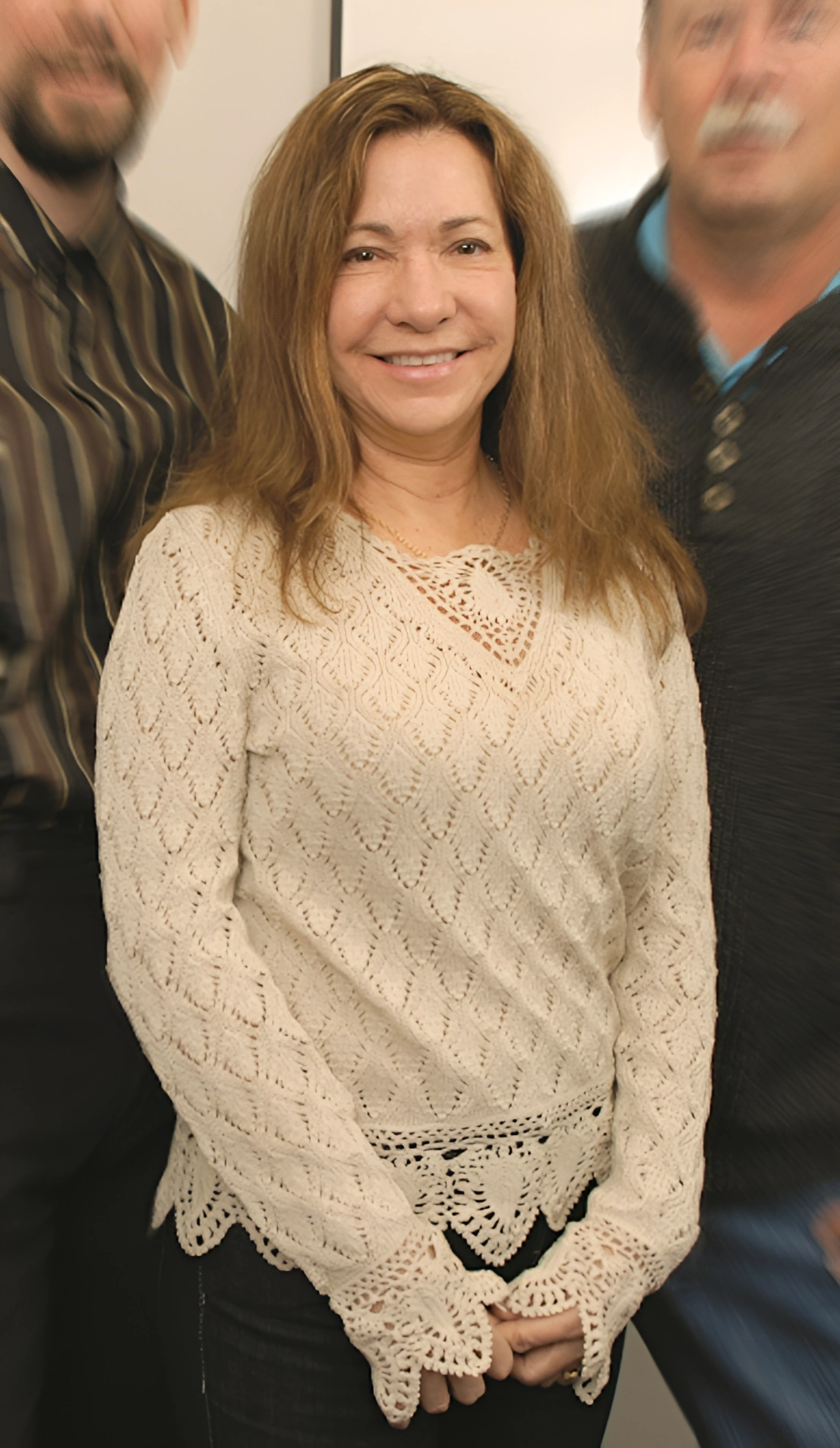
| 14 Quotes | |
| Occup. | Designer |
| From | USA |
| Born | February 16, 1953 |
| Age | 73 years |
| Cite | |
Citation Formats
APA Style (7th ed.)
Roberta williams biography, facts and quotes. (2026, February 11). FixQuotes. https://fixquotes.com/authors/roberta-williams/
Chicago Style
"Roberta Williams biography, facts and quotes." FixQuotes. February 11, 2026. https://fixquotes.com/authors/roberta-williams/.
MLA Style (9th ed.)
"Roberta Williams biography, facts and quotes." FixQuotes, 11 Feb. 2026, https://fixquotes.com/authors/roberta-williams/. Accessed 27 Mar. 2026.
Early Life and Background
Roberta Williams was born Roberta Heuer on February 16, 1953, in the United States, and grew up in an era when television, paperbacks, and board games shaped popular storytelling far more than computers did. Her early imagination leaned toward narrative and atmosphere - mystery, fairy tales, and the pleasures of being led through a world by plot - long before she had a vocabulary for "interactive fiction".In the early 1970s she married Ken Williams, a partnership that became both domestic and entrepreneurial. They built a life typical of young American families of the period - work, children, and the practical anxieties of middle-class stability - until a new home computer culture opened a door. When the Williams household encountered early text adventures, Roberta recognized that computers could host not only calculation but drama, pacing, and suspense, and she began thinking like a designer: what if the screen could stage a story rather than merely describe one?
Education and Formative Influences
Williams did not arrive through the conventional pipeline of computer science; her formation was largely self-directed and creative, rooted in reading, puzzles, and an instinct for how stories motivate attention. The late-1970s rise of hobbyist computing - Apple II culture, mail-order software, and small teams shipping games from living rooms - gave her a historically rare opening: a medium young enough that ambition and taste could matter as much as credentials, and a market hungry for new kinds of play.Career, Major Works, and Turning Points
In 1980 she wrote and designed Mystery House for the Apple II, often cited as one of the first graphic adventure games; its simple line drawings and text parser translated the logic of a mystery novel into exploration and deduction. She and Ken co-founded On-Line Systems, soon renamed Sierra On-Line, and her design sensibility became central to the companys identity as it grew from a home operation into a defining studio of the 1980s and early 1990s PC era. With Kings Quest (1984) she helped establish the graphic adventure as a mainstream genre and a showcase for new hardware, then expanded its scale and emotional register across sequels. She created or guided landmark series including Kings Quest, Space Quest collaborations at Sierra, and later Phantasmagoria (1995), a major turning point that pushed horror, live-action video, and higher budgets into a genre facing competition from shooters and console action. By the end of the 1990s, as adventure games waned commercially, Williams stepped back from day-to-day game development, leaving behind a blueprint for narrative-driven design.Philosophy, Style, and Themes
Williams approached games as authored worlds, built to be inhabited rather than merely beaten. Her signature was a fairy-tale clarity of stakes - rescue, courage, temptation, the costs of curiosity - paired with puzzles that made progress feel earned. She described the form in story-first terms: “An adventure game is nothing more than a good story set with engaging puzzles that fit seamlessly in with the story and the characters, and looks and sounds beautiful”. That definition reveals her internal metric for success: not technical novelty for its own sake, but coherence, mood, and the pleasure of seeing narrative and mechanics agree.Her best work also shows a psychological investment in character as the anchor for empathy, a counterweight to the abstraction of early computing. “I am most proud of the development of the characters as personalities that game players could relate to and care about”. Even when her games could be unforgiving, the underlying intent was enchantment - a designer trying to make players feel responsible for someone and something. She was equally clear-eyed about the marketplace without letting it dictate her imagination: “Freshness is important. If a game is fresh, new, intriguing, challenging, and enchanting, it will sell, and sell well”. The sentence reads like self-instruction - a way to protect wonder from routine, and to keep creative risk justified inside a business that had to survive.
Legacy and Influence
Roberta Williams helped define the grammar of the graphic adventure game: environmental storytelling, puzzle gating as narrative pacing, and the idea that a computer game could be a place you remember like a book. Her work at Sierra normalized richer protagonists and broader audiences in PC gaming, and her success made it harder to argue that authorship in games belonged to technologists alone. Long after parsers gave way to point-and-click and then to modern narrative hybrids, her central claim endures in design culture: games can be literature-adjacent - not because they imitate novels, but because they create lived stories where choice, consequence, and curiosity are the engine of emotion.Our collection contains 14 quotes written by Roberta, under the main topics: Writing - Work Ethic - Equality - Work - Marketing.
Source / external links