
Romulo Gallegos Biography Quotes 1 Report mistakes
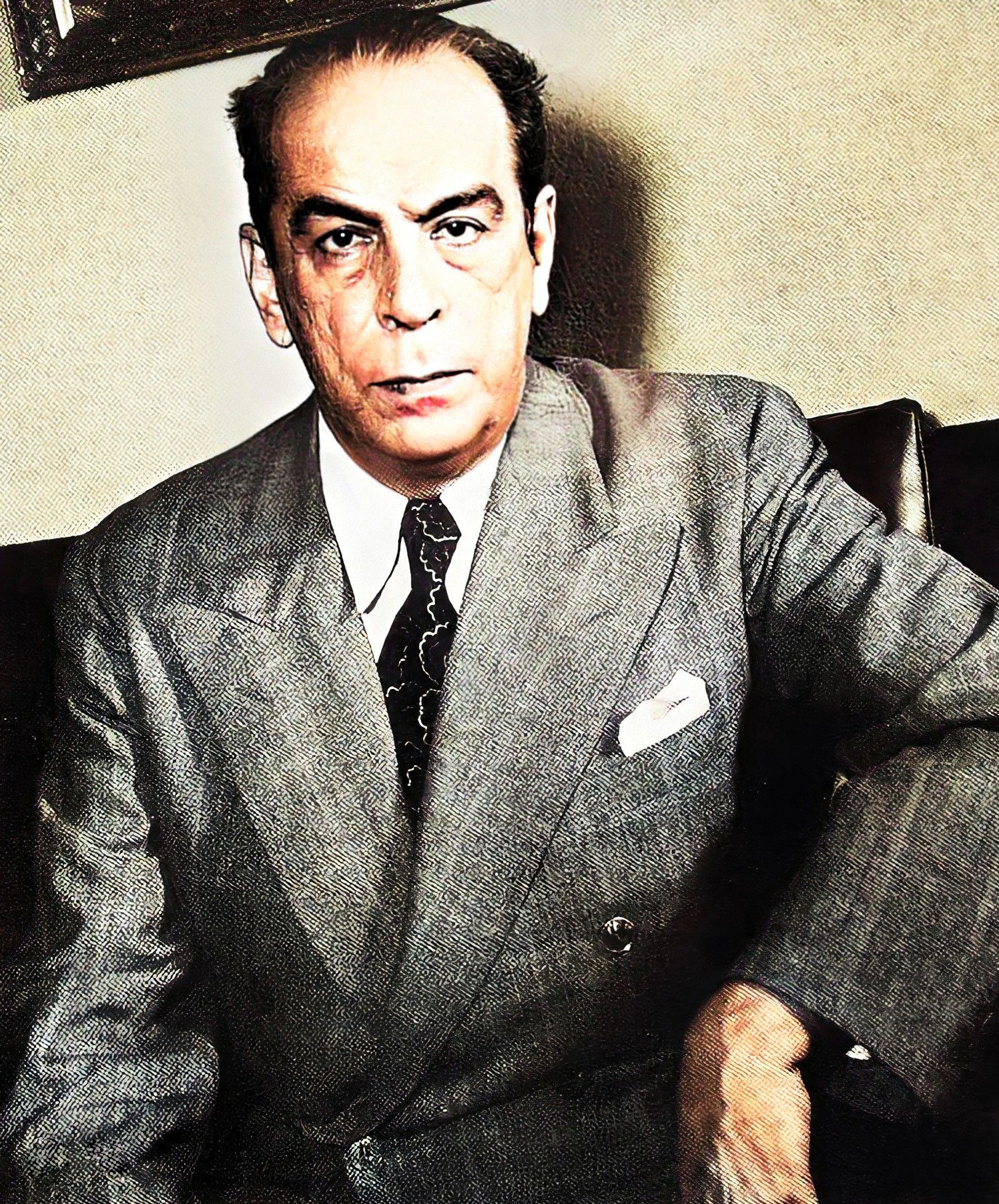
Attr: See page for author
| 1 Quotes | |
| Born as | Rómulo Ángel del Monte Carmelo Gallegos Freire |
| Native name | Rómulo Gallegos |
| Occup. | Writer |
| From | Venezuela |
| Spouse | Carmen Nieves Freire |
| Born | August 24, 1884 Ciudad Bolívar, Bolívar, Venezuela |
| Died | April 12, 1969 Caracas, Venezuela |
| Aged | 84 years |
| Cite | |
Citation Formats
APA Style (7th ed.)
Romulo gallegos biography, facts and quotes. (2026, February 11). FixQuotes. https://fixquotes.com/authors/romulo-gallegos/
Chicago Style
"Romulo Gallegos biography, facts and quotes." FixQuotes. February 11, 2026. https://fixquotes.com/authors/romulo-gallegos/.
MLA Style (9th ed.)
"Romulo Gallegos biography, facts and quotes." FixQuotes, 11 Feb. 2026, https://fixquotes.com/authors/romulo-gallegos/. Accessed 26 Mar. 2026.
Early Life and Background
Romulo Angel del Monte Carmelo Gallegos Freire was born on August 24, 1884, in Caracas, Venezuela, into a country still marked by caudillo politics and the long aftershocks of the Federal War. His childhood unfolded in an urban capital that looked outward to Europe for cultural models while the vast interior remained defined by cattle routes, river travel, and the hard law of local strongmen. That split between a lettered city and an elemental frontier became the central tension of his imagination.Family expectations and the rhythms of Caracas gave him early contact with the institutions that shaped republican life - schools, newspapers, and the idea of the public intellectual. Yet Venezuela in his youth also taught the opposite lesson: how easily civic forms could be hollowed out by force. Gallegos grew up watching authority shift through personalist power, a lived education in how violence, charisma, and modernizing rhetoric could coexist.
Education and Formative Influences
Gallegos trained for a practical profession but gravitated toward teaching and letters, finding in pedagogy a way to serve the nation beyond party machines. He worked as an educator and later held roles connected to cultural administration, absorbing the liberal, positivist currents circulating in Latin American schools while also reacting against their cold certainties. The emerging regionalist novel, debates over "civilization and barbarism", and the social realities of Venezuela - especially the Llanos and the Orinoco basin - offered him both material and a moral problem: how to narrate a country where the state often arrived late, if at all.Career, Major Works, and Turning Points
He became Venezuela's most internationally recognized novelist through works that turned landscape into destiny: Reinaldo Solar (1920), La trepadora (1925), Dona Barbara (1929), Cantaclaro (1934), and Canaima (1935). Dona Barbara, set in the Llanos, crystallized his method - a conflict between law and predation, education and instinct - and made him a hemispheric figure. Politics, however, was not merely a theme but a vocation. After years of authoritarian rule under Juan Vicente Gomez, Gallegos entered public life and, in 1947, was elected president in Venezuela's first broadly democratic election. His presidency was brief: a military coup overthrew him in 1948, sending him into exile for much of the ensuing dictatorship. He returned after the fall of Marcos Perez Jimenez in 1958 and remained a moral reference point until his death in Caracas on April 12, 1969.Philosophy, Style, and Themes
Gallegos wrote as if the nation were a character in formation, always threatened by regression. His realism is muscular and panoramic, yet built on a novelist's faith that language can create civic intimacy among strangers. “Each man is a world, and each one shuts himself up in his world, from which he only escapes through the door of the word”. Read psychologically, the line shows his deepest anxiety - the isolation of private fear and private appetites - and his counter-belief that speech, education, and narrative can break the spell of solitude that makes tyranny possible.That faith also shaped his recurring plots: an outsider or reformer arrives with laws, schools, titles, or surveys, and meets an older sovereignty rooted in land, sex, and violence. He did not romanticize the frontier; he staged it as a trial where modern institutions either become tools of liberation or masks for domination. In Dona Barbara, the charismatic predator is not a monster from outside civilization but a product of violated histories, a figure whose will fills the vacuum left by absent justice. His sentences alternated between the reportorial and the lyrical, using rivers, plains, and jungle as moral weather - environments that test whether the human being will be governed by appetite or by a chosen ethic.
Legacy and Influence
Gallegos endures as the canonical Venezuelan novelist of the 20th century and as a symbol of democratic aspiration interrupted by force. Dona Barbara remains a foundational text for Latin American regionalism and for later debates about gender, power, and state formation, while Canaima expanded the novel of nature into a meditation on extractive modernity and the mythic pull of the interior. His short presidency, followed by exile, fused his literary concerns with biography: the writer who argued for the civilizing power of institutions experienced their fragility firsthand. Across Venezuelan culture, his name functions as both aesthetic standard and civic emblem - proof that narrative can be a form of nation-building, and that the "door of the word" can open onto political courage as well as art.Our collection contains 1 quotes written by Romulo, under the main topics: Deep.
Romulo Gallegos Famous Works
- 1937 Pobre Negro (Novel)
- 1935 Canaima (Novel)
- 1934 Cantaclaro (Novel)
- 1929 Doña Bárbara (Novel)
- 1925 La Trepadora (Novel)
Source / external links