
Roy L. Smith Biography Quotes 8 Report mistakes
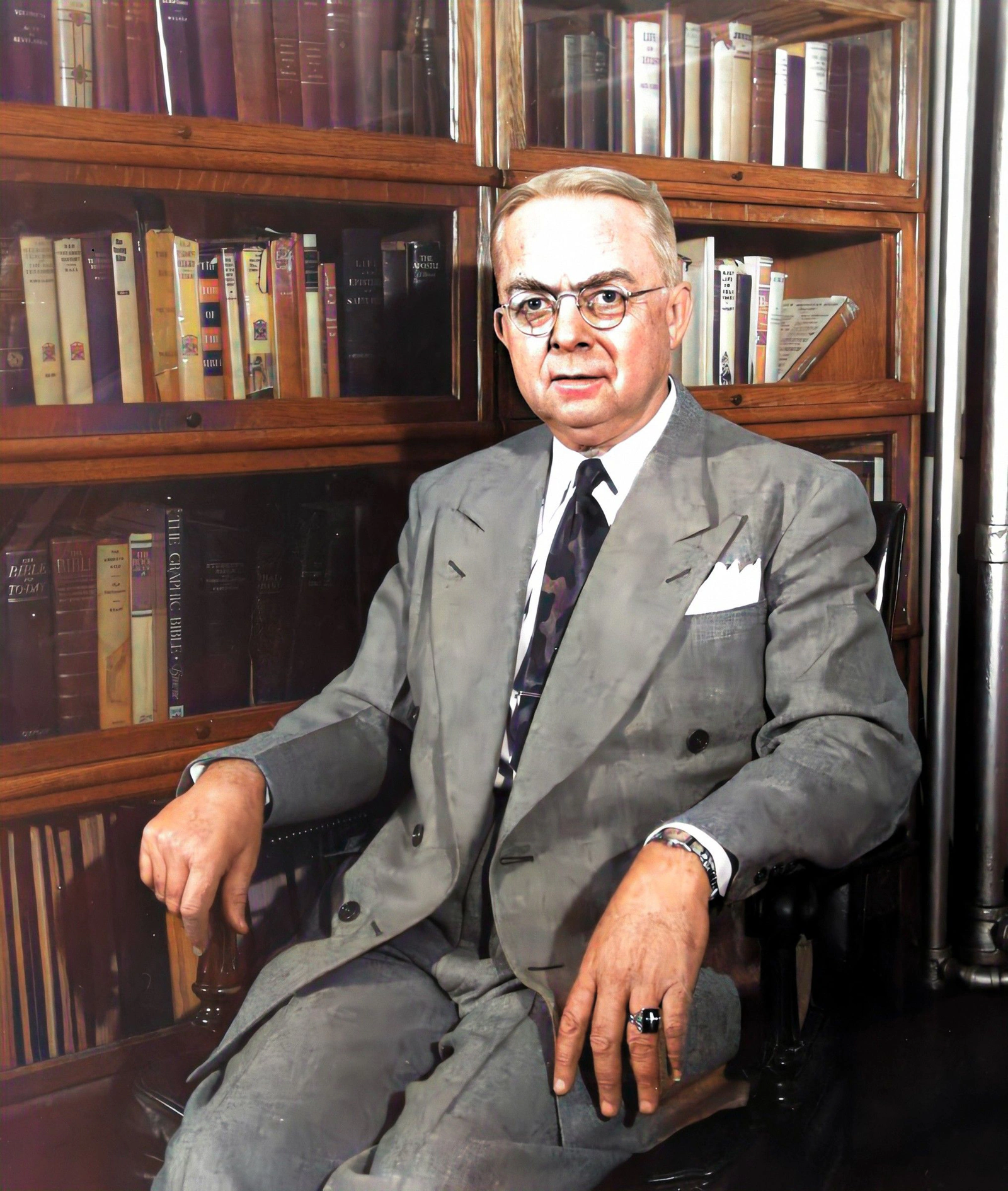
| 8 Quotes | |
| Occup. | Clergyman |
| From | USA |
| Born | February 8, 1887 Hico, Texas |
| Died | August 23, 1946 |
| Aged | 59 years |
| Cite | |
Citation Formats
APA Style (7th ed.)
Roy l. smith biography, facts and quotes. (2026, February 11). FixQuotes. https://fixquotes.com/authors/roy-l-smith/
Chicago Style
"Roy L. Smith biography, facts and quotes." FixQuotes. February 11, 2026. https://fixquotes.com/authors/roy-l-smith/.
MLA Style (9th ed.)
"Roy L. Smith biography, facts and quotes." FixQuotes, 11 Feb. 2026, https://fixquotes.com/authors/roy-l-smith/. Accessed 5 Mar. 2026.
Early Life and Background
Roy L. Smith was born February 8, 1887, in the United States at the end of the Gilded Age, when industrial wealth and urban poverty existed side by side and Protestant churches were grappling with the Social Gospel and the pressures of modern life. He came of age in a culture where revivalism still shaped rural and small-town piety, yet new mass media, advertising, and business consolidation were changing how Americans imagined success, character, and responsibility.That tension between old moral certainties and modern restlessness became a lifelong preoccupation. Smith presented himself as a practical pastor rather than a speculative theologian, drawn to the everyday frictions of family life, work, and public ethics. The formative emotional fact that emerges from his writing is a persistent anxiety about hollow religiosity - faith performed as seasonal sentiment or public reputation instead of lived discipline - and an equally strong confidence that moral renovation was possible through habit, example, and service.
Education and Formative Influences
Smith pursued ministerial training typical of early-20th-century American Protestant leadership, shaped by Bible-centered preaching, devotional reading, and the expanding ideal of the pastor as public counselor. He absorbed the era's language of character-building and the emerging managerial ethos that treated time, attention, and self-mastery as moral duties, not merely techniques. The First World War period and its aftermath intensified his interest in responsibility, social cohesion, and the spiritual costs of prosperity, themes he would repeatedly translate into plain, quotable counsel.Career, Major Works, and Turning Points
Ordained as a clergyman and known nationally as a devotional writer and preacher, Smith built his reputation through pulpit work and widely circulated religious prose aimed at lay readers rather than specialists. His output belonged to the interwar marketplace of sermons, church periodicals, and inspirational books that tried to steady families through economic volatility, war memories, and the accelerated pace of modern life. The Great Depression and World War II era sharpened his insistence that faith must show up in conduct and generosity, not merely in rhetoric; by the time of his death on August 23, 1946, his voice fit the profile of the early-century American pastor-publicist - a moral interpreter of current events who sought to make ancient Scripture speak in the idiom of contemporary obligations.Philosophy, Style, and Themes
Smith's style was direct, aphoristic, and deliberately untechnical - closer to counsel than to treatise. He trusted the persuasive power of the obvious, often implying that the real obstacle to holiness was not ignorance but resistance: “More people are troubled by what is plain in Scripture than by what is obscure”. Psychologically, the line reveals a pastor who suspected that many congregants were less confused than evasive, using complexity as shelter from inconvenient demands. His preaching therefore aimed to remove alibis, compressing moral choices into memorable sentences that could follow a reader into the kitchen, workplace, and voting booth.A second through-line is the conviction that character is socially transmitted, especially in the home and church. “We are apt to forget that children watch examples better than they listen to preaching”. The remark is not merely pedagogical; it discloses Smith's fear that Christian institutions could become theaters of speech while the next generation learned cynicism from contradictions. His best-known seasonal insight pushes the same interiorized ethic against commercial display: “He who has not Christmas in his heart will never find it under a tree”. Here Smith is diagnosing a modern ache - that abundance can coexist with emptiness - and he counters it with an inward test of sincerity, locating true celebration not in purchase or pageantry but in an embodied disposition of gratitude and giving.
Legacy and Influence
Smith's enduring influence lies less in doctrinal innovation than in the portability of his moral psychology. His sentences survived because they were designed to be remembered, repeated, and applied - a form of pastoral care scaled to the age of mass quotation. In American religious culture, he represents a bridge between revival-era earnestness and mid-century self-help spirituality: a clergyman who translated Scripture into the language of responsibility, integrity, and domestic example. Though his name is now more familiar through widely repeated lines than through a single canonical book, those lines continue to function as small examinations of conscience, insisting that faith is proven in what people do when no sermon is being preached.Our collection contains 8 quotes written by Roy, under the main topics: Parenting - Equality - Honesty & Integrity - Self-Discipline - Confidence.