
Russ Carnahan Biography Quotes 20 Report mistakes
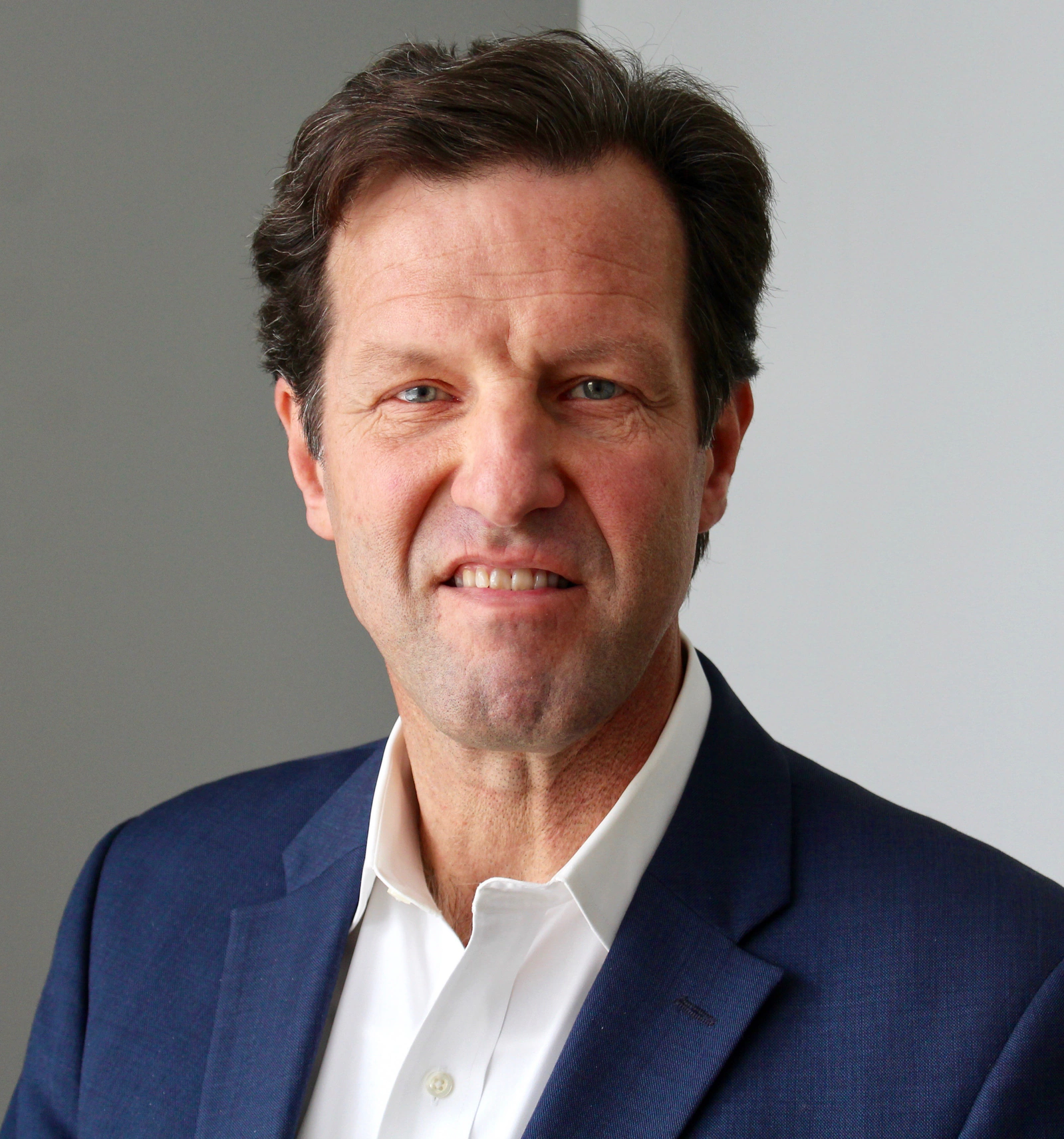
| 20 Quotes | |
| Occup. | Politician |
| From | USA |
| Spouse | Debra Goetz |
| Born | July 10, 1958 Columbia, Missouri, USA |
| Age | 67 years |
| Cite | |
Citation Formats
APA Style (7th ed.)
Russ carnahan biography, facts and quotes. (2026, February 11). FixQuotes. https://fixquotes.com/authors/russ-carnahan/
Chicago Style
"Russ Carnahan biography, facts and quotes." FixQuotes. February 11, 2026. https://fixquotes.com/authors/russ-carnahan/.
MLA Style (9th ed.)
"Russ Carnahan biography, facts and quotes." FixQuotes, 11 Feb. 2026, https://fixquotes.com/authors/russ-carnahan/. Accessed 6 Mar. 2026.
Early Life and Family
John Russell "Russ" Carnahan emerged from one of Missouri's most recognizable political families. Born in 1958 in the United States, he grew up in a household where public service and civic duty were everyday conversations. His father, Mel Carnahan, rose through Missouri politics to hold several statewide offices and ultimately served as governor. His mother, Jean Carnahan, carried the family mantle of public service as well, entering the United States Senate following the tragic death of her husband. Within this civic-minded family, Russ absorbed a deep respect for government as a practical tool for improving communities. His siblings also became prominent in public life: Robin Carnahan served as Missouri's secretary of state and later in federal service, while Tom Carnahan pursued business ventures that often intersected with public policy and regional development. The household's blend of policy discussion, campaign energy, and neighborly engagement formed a lasting foundation for Russ Carnahan's career.State and Local Involvement
Before arriving on the national stage, Carnahan built his profile at the state level. He entered the Missouri House of Representatives during a period when his home state was experiencing economic shifts and debates over education, healthcare, and infrastructure. In Jefferson City, he developed a reputation for methodical work and steady coalition-building. The practical lessons of state government stayed with him: the necessity of constituent service, the value of bipartisan problem-solving on issues like transportation, and the importance of incremental progress when the political landscape is closely divided. He also forged relationships with local leaders in the St. Louis region whose cooperation would prove essential to advancing projects with regional impact.U.S. House of Representatives
Carnahan won election to the U.S. House in 2004 from Missouri's 3rd Congressional District, a seat long associated with Democratic leadership and previously represented by Dick Gephardt. In Washington, he gravitated toward committee work that aligned with his district's strengths and needs. He served on committees including Foreign Affairs and Transportation and Infrastructure, where he focused on the practical mechanics of trade, mobility, and job creation. During his tenure, he was part of a congressional cohort that spanned two administrations, serving under Presidents George W. Bush and Barack Obama and working with House leadership that included Speaker Nancy Pelosi. He emphasized the link between infrastructure investments and quality of life in metropolitan regions, pushing for improvements that touched ports, rail, highways, and transit. On Foreign Affairs, he approached diplomacy and trade with a view to how global decisions reverberate through places like St. Louis, affecting manufacturers, research institutions, and small businesses.
Redistricting and the 2012 Primary
After the 2010 census, Missouri's congressional map changed significantly, and Carnahan's district was effectively dismantled. The redistricting forced difficult choices for multiple incumbents. Carnahan entered a closely watched 2012 Democratic primary against William Lacy Clay Jr., a longtime representative whose own district absorbed much of the territory where Carnahan had served. The contest was hard-fought, reflecting overlapping constituencies and differing political networks, and Carnahan ultimately lost. The outcome ended his tenure in Congress but underscored how demographic change and legislative mapmaking can redirect political careers irrespective of an incumbent's seniority or committee portfolio.Issues and Approach
Throughout his career, Carnahan was best understood as a pragmatic Democrat shaped by Missouri's swing-state dynamics. He tended to frame policy in terms of everyday results: how a bridge repair could shorten commutes and open job sites, or how international agreements might help regional exporters. Transportation planning, infrastructure modernization, veterans' services, and neighborhood redevelopment were recurring touchstones. He approached constituent work as the backbone of representation, allocating time to casework and local problem-solving as much as to floor votes and national debates. His family background informed his ethos but did not define his decisions; he cultivated his own networks, even as he remained close to the people who shaped his earliest views. The influence of Mel and Jean Carnahan was evident in his emphasis on public trust, while collaboration with colleagues like Dick Gephardt, and later his respectful rivalry with William Lacy Clay Jr., reflected his navigation of the party's institutional culture and Missouri's political realities.Later Activities and Legacy
After leaving Congress, Carnahan remained active in civic and political life, contributing to discussions about infrastructure, economic development, and the role of regional hubs like St. Louis in a changing economy. He continued to engage with Missouri Democrats, lending experience to party-building and policy forums. His sister Robin Carnahan's continued public service and his mother Jean Carnahan's stature as a trailblazer kept the family at the center of conversations about public leadership, while Tom Carnahan's business endeavors underscored the family's broader engagement with the state's economic future. For Russ Carnahan, the arc of public life has been defined by the interplay of family legacy and personal initiative: a steady path from statehouse to Congress, shaped by committee diligence, redirected by redistricting, and sustained by ongoing service to community and party. His career stands as a reminder that political influence is built as much in hearings, district meetings, and infrastructure plans as in marquee votes, and that effective representation often hinges on understanding how national policy is felt on neighborhood streets.Our collection contains 20 quotes written by Russ, under the main topics: Justice - Equality - Science - Health - Military & Soldier.
Source / external links