
Saadi Biography Quotes 14 Report mistakes
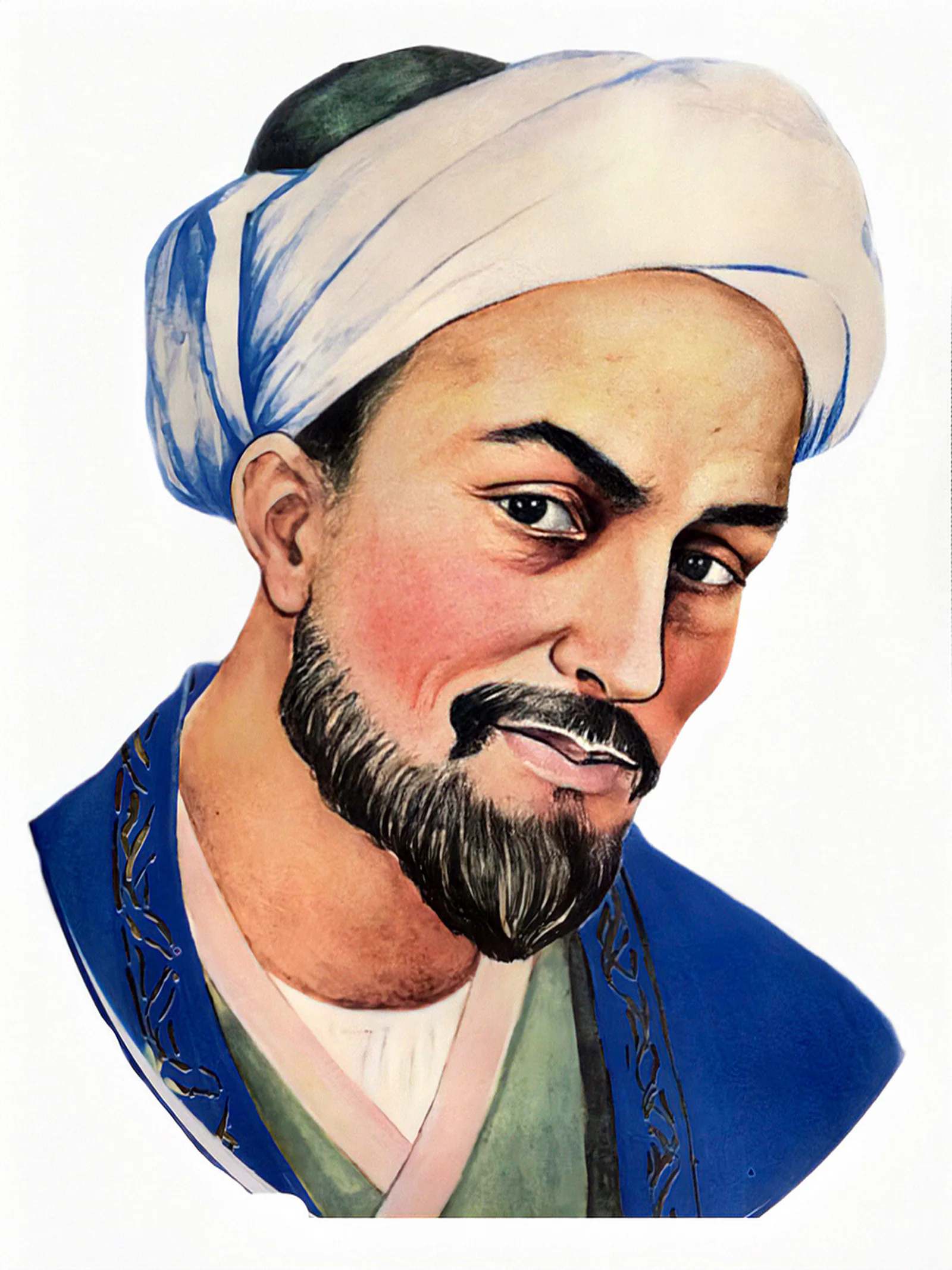
Attr: See page for author, CC BY-SA 4.0
| 14 Quotes | |
| Born as | Saadi Shīrāzī |
| Known as | Saadi Shirazi |
| Occup. | Poet |
| From | Iran |
| Born | 1210 AC Shiraz, Atabegs of Fars, Iran |
| Died | 1292 AC Shiraz, Ilkhanate, Iran |
| Cite | |
Citation Formats
APA Style (7th ed.)
Saadi biography, facts and quotes. (2026, February 2). FixQuotes. https://fixquotes.com/authors/saadi/
Chicago Style
"Saadi biography, facts and quotes." FixQuotes. February 2, 2026. https://fixquotes.com/authors/saadi/.
MLA Style (9th ed.)
"Saadi biography, facts and quotes." FixQuotes, 2 Feb. 2026, https://fixquotes.com/authors/saadi/. Accessed 1 Apr. 2026.
Early Life and Background
Saadi, known by the pen name Saadi Shira zi (Saadi Shira zi), was born in Shiraz around 1210, in the Persianate heartland of the Salghurid Atabegs of Fars. Shiraz in his youth was a cultivated provincial capital where Arabic learning, Persian courtly prose, and Sufi preaching coexisted with the practical ethics of bazaar life. Later tradition casts him as coming from a family with ties to religious learning and administration; whether literal or crafted as authorial self-fashioning, it fits a writer who would speak with equal ease in the registers of mosque, court, and caravanserai.His inner landscape was formed early by instability. The first half of the 13th century brought the Mongol storm across Iran and Iraq, shattering the older political order and forcing writers and scholars into migration. Saadi would make a life out of motion and observation - not as a detached traveler collecting curiosities, but as a moralist testing ideals against hunger, fear, generosity, and the sudden reversals of fortune that defined his era.
Education and Formative Influences
As a young man he left Shiraz for Baghdad and studied at the Nizamiyya, among the most prestigious institutions of Sunni learning, where Arabic belles lettres, jurisprudence, and theology were paired with the ethical disciplines of adab. The city also exposed him to Sufi networks and sermon culture that prized memorable parable and inward self-accounting. From this formation came his lifelong synthesis: polished Persian lyricism anchored to practical counsel, and religious seriousness tempered by psychological realism.Career, Major Works, and Turning Points
Saadi spent years traveling across the Islamic world - sources and his own anecdotes place him in Iraq, the Levant, Anatolia, and the Hijaz - moving through courts, khanqahs, and battle-scarred roads during the Mongol and Crusader age. These experiences distilled into his two defining books: the Bustan (1257), a verse masnavi organized around moral virtues, and the Gulistan (1258), a prose-and-verse masterpiece of anecdotes, aphorisms, and scenes of social life. Returning to Shiraz under the relatively stable patronage of the Salghurid ruler Abu Bakr ibn Sa d (from whom his pen name is often derived), he became an elder voice of Persian literature, writing ghazals that made intimate desire and spiritual longing share the same breath, and crafting narratives that turned catastrophe into counsel.Philosophy, Style, and Themes
Saadi wrote as a physician of the soul who never forgot the body. He treats appetite, pride, fear, and need as the true governors of conduct, and builds ethics from their management rather than from abstract perfectionism. Hence his recurring insistence on disciplined hunger and alertness: “When the belly is empty, the body becomes spirit; and when it is full, the spirit becomes body”. The line is more than ascetic slogan - it is a psychological claim that perception sharpens under restraint, and that moral seriousness is often drowned by comfort.His method is compression: a scene, a sting of dialogue, a turn of rhyme, and a verdict that feels earned. He refuses utopian purity, preferring a balanced vision in which beauty and pain are structurally entwined - “The rose and the thorn, and sorrow and gladness are linked together”. That linkage becomes his antidote to despair in a century of invasion: hardship is not proof of meaninglessness but part of the world s texture, demanding patience and craft. Accordingly, he frames endurance as a learned skill rather than a passive fate: “Have patience. All things are difficult before they become easy”. Across the Gulistan he trains the reader to see how quickly power shifts, how reputation can be bought, how a single generous act can reorder a life - and yet he never relinquishes the possibility of ethical refinement through habit, storytelling, and repentance.
Legacy and Influence
Saadi became a standard of Persian eloquence: schoolboys memorized his sentences, courtiers quoted his counsel, and Sufis found in his ghazals an idiom where human love points beyond itself. The Gulistan shaped prose style from Iran to Mughal India and Ottoman lands, while the Bustan served as an ethical mirror for rulers and commoners alike. His enduring influence lies in the union he perfected - art that delights, wisdom that bites, and a humane psychology that meets people where they are, then nudges them, anecdote by anecdote, toward a steadier heart.Our collection contains 14 quotes written by Saadi, under the main topics: Wisdom - Nature - Kindness - War - God.
Other people related to Saadi: Sa'Di (Poet), Alisher Navoi (Poet)
Saadi Famous Works
Source / external links