
Sallust Biography Quotes 34 Report mistakes
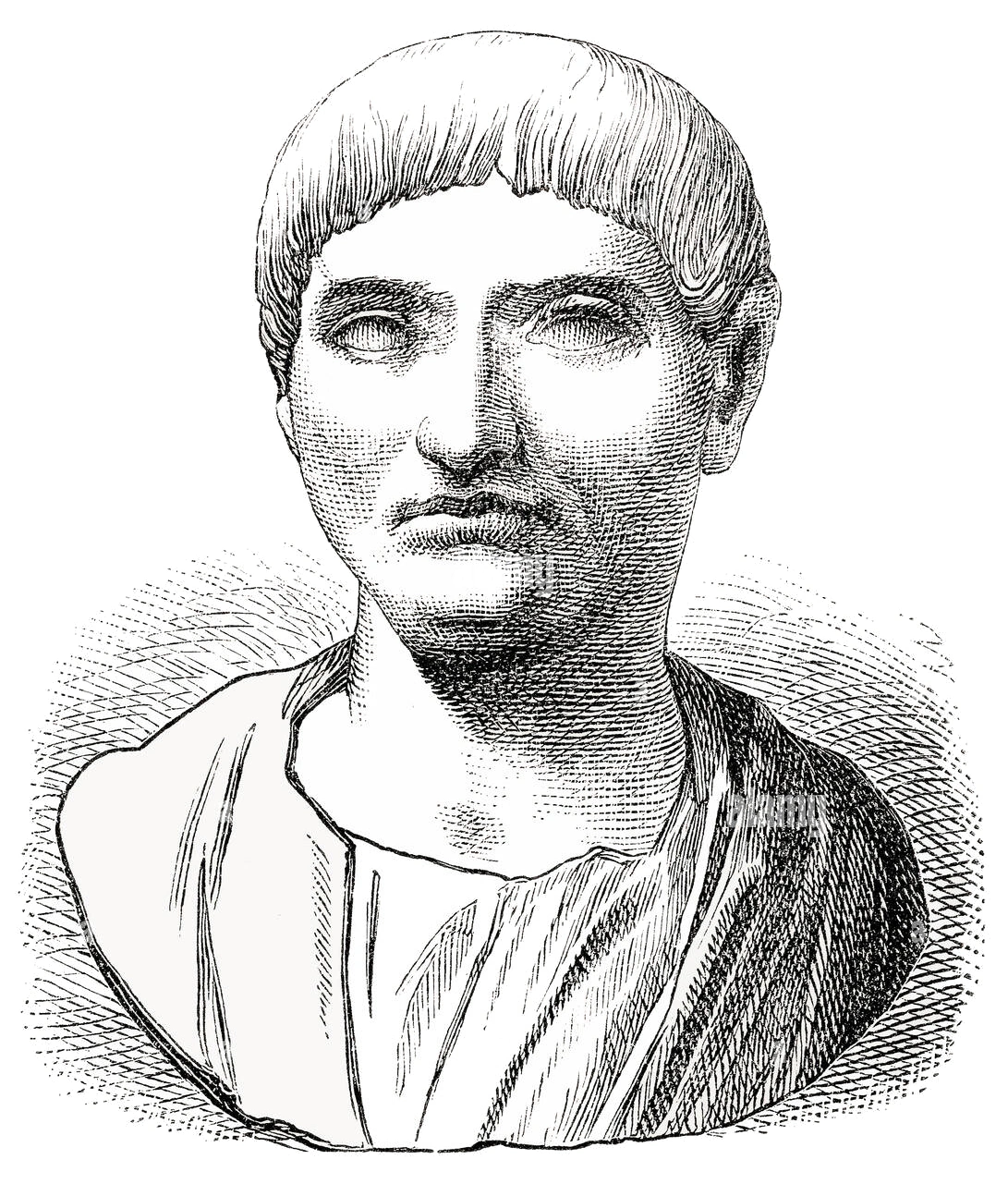
| 34 Quotes | |
| Born as | Gaius Sallustius Crispus |
| Occup. | Historian |
| From | Rome |
| Born | 86 BC Rome |
| Died | 34 BC Rome |
| Cause | Natural Causes |
| Cite | |
Citation Formats
APA Style (7th ed.)
Sallust biography, facts and quotes. (2026, February 11). FixQuotes. https://fixquotes.com/authors/sallust/
Chicago Style
"Sallust biography, facts and quotes." FixQuotes. February 11, 2026. https://fixquotes.com/authors/sallust/.
MLA Style (9th ed.)
"Sallust biography, facts and quotes." FixQuotes, 11 Feb. 2026, https://fixquotes.com/authors/sallust/. Accessed 30 Mar. 2026.
Early Life and Background
Gaius Sallustius Crispus was born around 86 BCE in Amiternum in the Sabine country, not in Rome, though his adult life was bound to the capital's ambitions and corruptions. He came from a well-to-do municipal family of equestrian standing, part of the rising Italian elite enfranchised after the Social War. That origin mattered: Sallust grew up with a Sabine sense of austerity and distance from senatorial old money, yet he also saw how quickly provincial talent could be absorbed - or ruined - by Roman politics.His formative years coincided with the Republic's long fracture after Sulla: proscriptions, factional vengeance, and the normalization of extraordinary power. In that climate, "virtus" and "libertas" were not abstract ideals but slogans used by competing blocs. Sallust's later histories carry the emotional imprint of someone who watched the state become a theater of appetites, where the language of duty was often a mask for personal advancement.
Education and Formative Influences
Sallust received the standard elite education in Latin rhetoric and Greek literature, training that sharpened his taste for moralizing narrative and for the compressed, archaizing style he would later make his own. In Rome, he absorbed the intellectual tradition that treated history as a branch of ethics: the past was a storehouse of exempla, and the historian a judge. At the same time, the era's public speaking - the law courts, the Senate, the contiones - taught him that persuasion could be weaponized, and that character could be manufactured. His work would repeatedly return to this tension: the ideal of rational civic deliberation versus the reality of faction, fear, and bribery.Career, Major Works, and Turning Points
He entered politics as a popularis and became tribune of the plebs in 52 BCE amid the street violence surrounding Clodius and Milo; he opposed Milo and aligned with Julius Caesar's camp. In 50 BCE he was expelled from the Senate by the censors, an act contemporaries linked to "immorality" and political hostility; the disgrace, and Caesar's subsequent restoration, helped harden his view of Rome as a place where public morality was both demanded and cynically enforced. Sallust served under Caesar in the civil war, was praetor in 46, and governed Africa Nova after Thapsus; accusations of extortion followed, and only Caesar's protection seems to have prevented prosecution. After Caesar's assassination in 44, Sallust withdrew from public life to his gardens on the Quirinal (the Horti Sallustiani) and turned to writing: the monographs Bellum Catilinae and Bellum Jugurthinum, and the larger, now fragmentary Historiae. The retreat was not quietism so much as a change of battleground - from competing for office to competing for memory.Philosophy, Style, and Themes
Sallust's histories are driven by a psychological theory of decline: Rome conquered the world, and then the world conquered Rome's soul. He frames politics as a struggle between discipline and desire, where luxury, greed, and status anxiety corrode civic trust. Beneath his portraits of Catiline, Jugurtha, Marius, and the Senate lies a chronic question about agency - whether men shape events or are shaped by the moral weather of their times. His aphoristic voice insists on inward responsibility even in a collapsing system: “Every man is the architect of his own fortune”. The line is less a self-help maxim than a harsh diagnosis of culpability, aimed at aristocrats who blamed fate while buying verdicts and offices.His style reinforces that moral pressure. He writes in tight, antithetical clauses, favoring archaisms and abrupt transitions, as if speed and severity could strip away rhetorical perfume. He constantly tests the possibility of impartial judgment, warning the historian against emotional capture: “All those who offer an opinion on any doubtful point should first clear their minds of every sentiment of dislike, friendship, anger or pity”. Yet his own narrative thrives on charged character sketches, suggesting an inner conflict between the desire to be a cold analyst and the need to explain disaster in human terms. The Republic, in his view, does not mainly fail from ignorance but from the failure of concord - “By union the smallest states thrive. By discord the greatest are destroyed”. The sentence doubles as autobiography: a man chewed up by faction comes to treat unity as the rare political virtue that might have saved Rome.
Legacy and Influence
Sallust became one of Latin's defining historians, read alongside Livy and Tacitus but distinct in his compressed intensity and moral psychology. Late antiquity and the Middle Ages copied him as a stylist and a source for the late Republic; Renaissance humanists mined him for political insight, and early modern writers treated his portraits of ambition, corruption, and civic decay as a handbook for understanding power. His influence persists because he is not merely a chronicler of events but a diagnostician of how a political class talks itself into ruin - and because his own life, moving from partisan combat to reflective authorship, embodies the Roman problem he described: the search for virtue inside a system that rewards its opposite.Our collection contains 34 quotes written by Sallust, under the main topics: Ethics & Morality - Wisdom - Friendship - Mortality - Leadership.
Other people related to Sallust: Niccolo Machiavelli (Writer), Saint Jerome (Saint), Charles Anthon (Writer)
Source / external links