
Samuel Butler Biography Quotes 123 Report mistakes
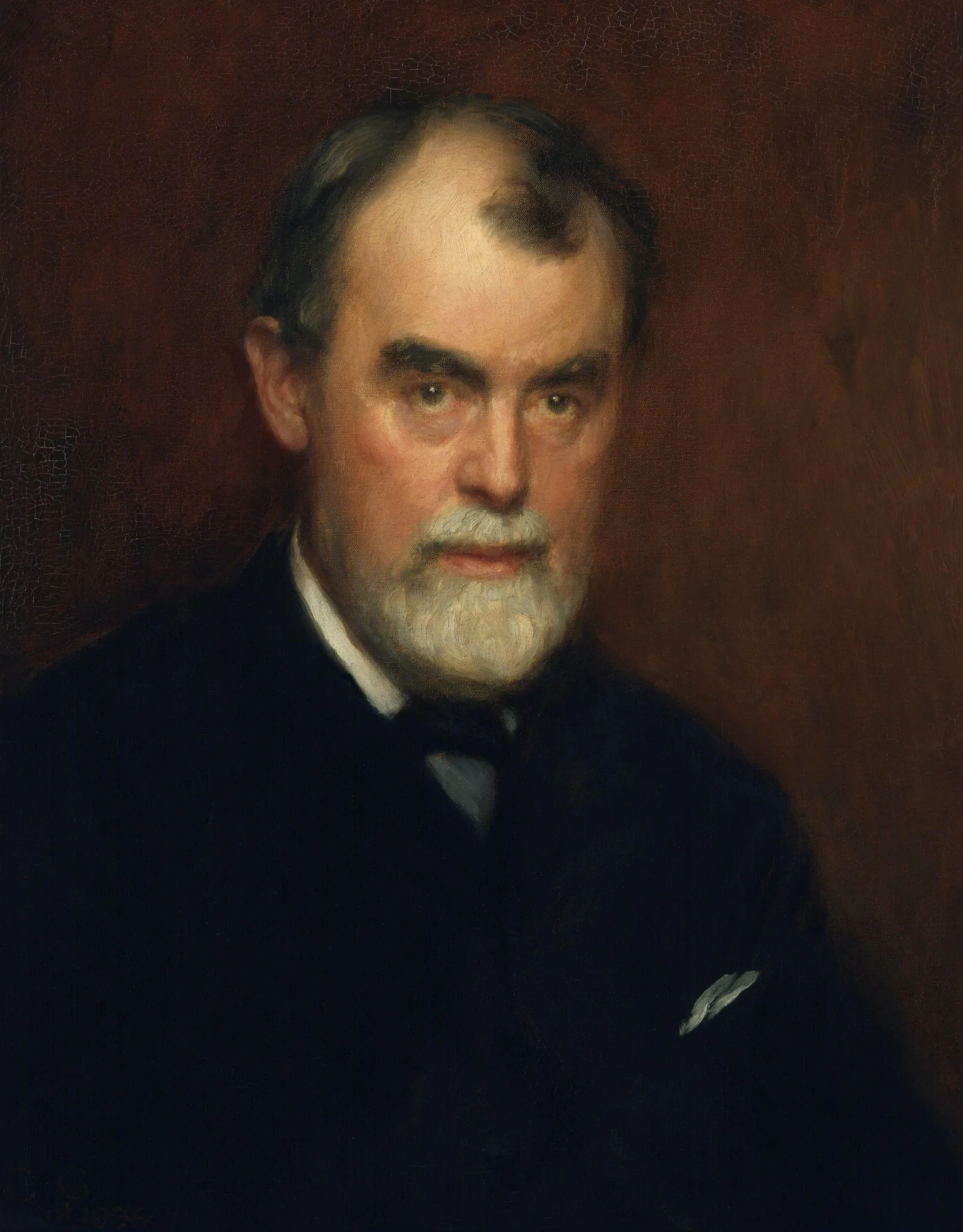
| 123 Quotes | |
| Occup. | Poet |
| From | United Kingdom |
| Born | December 4, 1835 |
| Died | June 18, 1902 |
| Aged | 66 years |
| Cite | |
Citation Formats
APA Style (7th ed.)
Samuel butler biography, facts and quotes. (2026, February 2). FixQuotes. https://fixquotes.com/authors/samuel-butler/
Chicago Style
"Samuel Butler biography, facts and quotes." FixQuotes. February 2, 2026. https://fixquotes.com/authors/samuel-butler/.
MLA Style (9th ed.)
"Samuel Butler biography, facts and quotes." FixQuotes, 2 Feb. 2026, https://fixquotes.com/authors/samuel-butler/. Accessed 12 Feb. 2026.
Early Life and Background
Samuel Butler was born on December 4, 1835, in Langar, Nottinghamshire, into the settled, morally confident world of the English clergy. His father, the Rev. Thomas Butler, served as rector, and the household revolved around church duty, education, and the tacit assumption that a son would inherit the vocation as naturally as the parish inherited its tithes. Butler grew up in a Britain that was outwardly pious yet increasingly shaken by geology, historical criticism, and the early tremors of what would become the Victorian crisis of faith.Temperamentally, he was a contrarian formed inside institutions he would later anatomize. He absorbed the cadences of scripture and sermon, but also the pressures of respectability and filial obedience - pressures that would harden into a lifelong fascination with hypocrisy, self-deception, and the ways families turn love into leverage. The conflict between inherited certainty and inner dissent did not simply push him away from orthodoxy; it gave him his central subject: how a mind tries to stay honest while living among people who reward convenient belief.
Education and Formative Influences
Butler was educated at Shrewsbury School and then St Johns College, Cambridge (B.A., 1858), where he trained for ordination in the Church of England and read deeply in classics, theology, and the culture of rational improvement that defined mid-Victorian elite life. Cambridge gave him both polish and provocation: it equipped him with the philological and satiric tools that would later let him write like a dissenter who knows the establishment from the inside. The publication of Darwins On the Origin of Species (1859), arriving just as Butler faced the practical step into clerical life, intensified his private doubts. A spiritual career began to feel less like a calling than a family script, and he chose rupture over compliance.Career, Major Works, and Turning Points
In 1859 Butler emigrated to New Zealand, farming sheep in Canterbury and discovering in distance the freedom to rethink England. There he began writing: the satirical novel that became Erewhon (1872) and its sequel Erewhon Revisited (1901) sprang from colonial experience sharpened into an imaginative laboratory for Victorian moral habits, social control, and technological anxiety (including his early, mischievously serious speculations about machines evolving). Returning to London in 1864, he lived as a freelance writer, critic, and painter, supporting himself through a mixture of inheritance and relentless work. He published The Fair Haven (1873), a razor-edged spoof of Christian apologetics; Life and Habit (1878) and Evolution, Old and New (1879), arguing for an evolutionary view that elevated memory and purpose while challenging Darwinian orthodoxy; and The Way of All Flesh, written largely in the 1870s and 1880s but published posthumously in 1903, his most intimate reckoning with family tyranny and spiritual intimidation. In his later years he poured exacting energy into Homeric scholarship - The Authoress of the Odyssey (1897) among them - demonstrating the same impulse that drove his satire: to reopen cases that everyone else had declared settled.Philosophy, Style, and Themes
Butlers inner life reads as a sustained trial of inherited beliefs, in which he served as both prosecutor and reluctant witness. His art is powered by suspicion - not the lazy suspicion that denies everything, but the moral suspicion that asks what a creed costs, who benefits, and what private fear it protects. That is why his attacks on conventional religion so often land on conduct rather than doctrine; he recognized that public faith can function as social camouflage. "People in general are equally horrified at hearing the Christian religion doubted, and at seeing it practiced". The line is funny, but it is also a confession of his own early observation: that the scandal in a pious culture is not disbelief so much as sincerity.Stylistically, Butler wrote with a hard, conversational clarity that refuses the soothing fog of abstraction. He valued exactness over propriety, and he built his skepticism out of close attention to the way people actually talk and behave. "I do not mind lying, but I hate inaccuracy". That preference reveals a psychology more interested in the mechanics of self-justification than in moral posturing: he distrusted solemnity because it often hides sloppy thinking. Even his evolutionary reflections move in aphoristic jolts, compressing whole philosophies into a sentence that makes the reader feel the sting of biological irony - "A hen is only an egg's way of making another egg". Behind the joke sits a bleak but energizing vision of life as process, where individuality is both real and radically conditioned, and where the self must negotiate its freedom inside forces it did not choose.
Legacy and Influence
Butler died in London on June 18, 1902, leaving behind a body of work that never settled into one genre because his mind never settled into one allegiance. As a poet and satirist of Victorian conscience, he helped clear a path toward modern skepticism that is not merely cynical but psychologically astute, attentive to motive, family pressure, and institutional theater. Erewhon remains a key ancestor of twentieth-century dystopian and philosophical fiction, while The Way of All Flesh - published after his death - became one of the era-defining novels of familial realism, influencing later writers who treated the home as a crucible of ideology. His lasting influence is the permission he gives readers to examine respectable belief without contempt for intelligence and without fear of authority: a rigorous, often lonely honesty that turned personal rupture into enduring literature.Our collection contains 123 quotes written by Samuel, under the main topics: Witty One-Liners - Motivational - Ethics & Morality - Wisdom - Truth.
Other people related to Samuel: Charles Darwin (Scientist)
Samuel Butler Famous Works
- 1903 The Way of All Flesh (Novel)
- 1901 Erewhon Revisited (Novel)
- 1897 The Authoress of the Odyssey (Non-fiction)
- 1879 Evolution, Old and New (Non-fiction)
- 1877 Life and Habit (Non-fiction)
- 1873 The Fair Haven (Novel)
- 1872 Erewhon (Novel)
Source / external links