
Samuel de Champlain Biography Quotes 2 Report mistakes
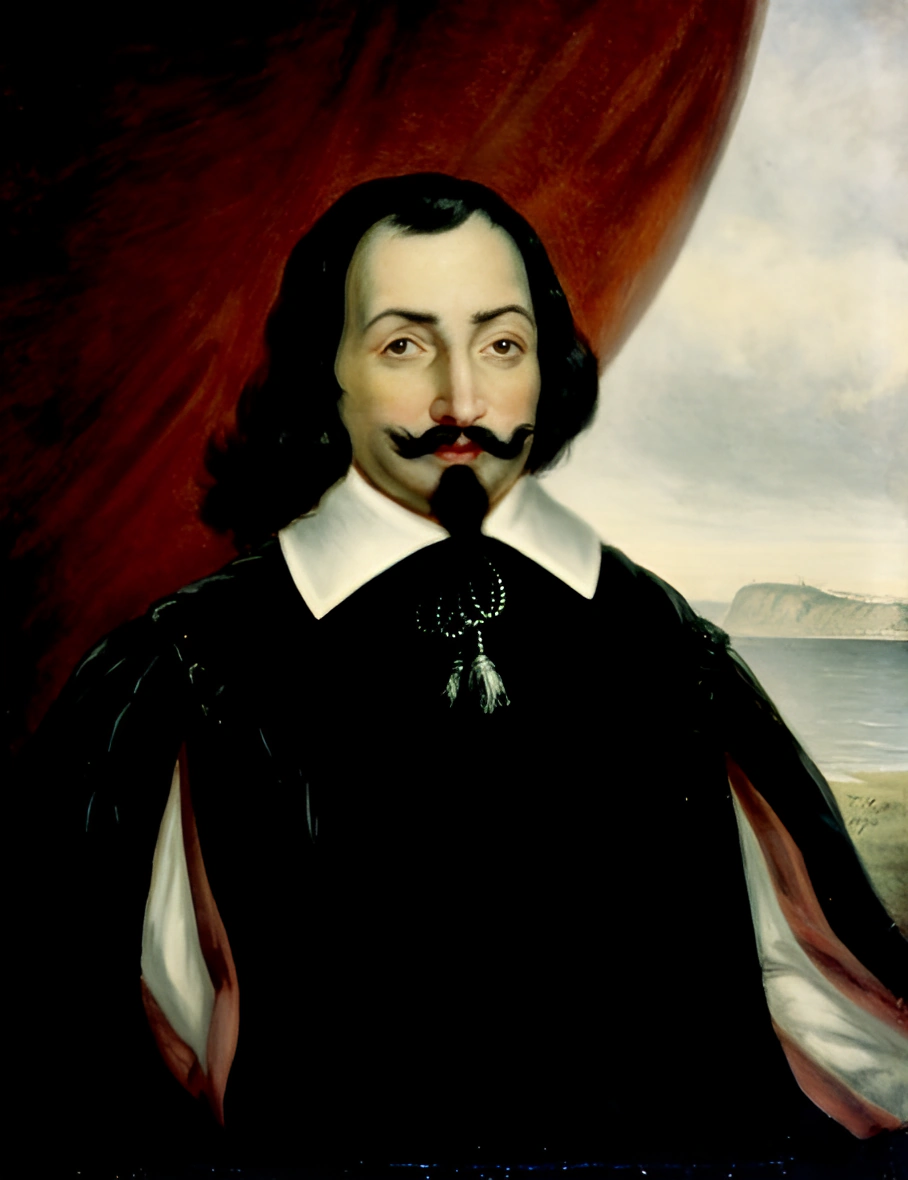
| 2 Quotes | |
| Born as | Samuel Champlain |
| Occup. | Explorer |
| From | France |
| Born | 1567 AC Brouage, Province of Saintonge, France |
| Died | December 25, 1635 Quebec, Canada, New France |
| Cite | |
Citation Formats
APA Style (7th ed.)
Samuel de champlain biography, facts and quotes. (2026, February 11). FixQuotes. https://fixquotes.com/authors/samuel-de-champlain/
Chicago Style
"Samuel de Champlain biography, facts and quotes." FixQuotes. February 11, 2026. https://fixquotes.com/authors/samuel-de-champlain/.
MLA Style (9th ed.)
"Samuel de Champlain biography, facts and quotes." FixQuotes, 11 Feb. 2026, https://fixquotes.com/authors/samuel-de-champlain/. Accessed 20 Mar. 2026.
Early Life and Background
Samuel de Champlain was born Samuel Champlain around 1567 in the Atlantic port of Brouage in Saintonge, a town shaped by salt marshes, tides, and maritime commerce. France in his youth was fractured by the Wars of Religion, and the seaboard provinces learned to live with violence, shifting loyalties, and the practical need for order. That background mattered: Champlain grew up in a world where survival depended on navigation, negotiation, and reading people as carefully as coastlines.His family belonged to the working maritime milieu - pilots, sailors, and merchants who treated the sea as both livelihood and classroom. Early familiarity with ships, soundings, and coastal trade gave him a craft-like confidence rather than a courtier's polish. The future founder of Quebec would remain, at core, a man of instruments and routines: observation, mapping, and disciplined watchfulness, coupled with a capacity to imagine how a distant shore might be made into a durable settlement.
Education and Formative Influences
Champlain's education was largely experiential, shaped by seafaring practice, military service, and close attention to pilots and cartographers rather than universities. He served in the royal army during the final phases of the French civil wars, a training that sharpened logistics and fortified his respect for hierarchy and preparedness. By the late 1590s he was traveling widely - including a voyage to the Spanish Caribbean and Mexico recorded in the "Bref discours" (attributed to him) - absorbing imperial methods, fortification styles, and the political economy of overseas colonies.Career, Major Works, and Turning Points
Champlain's public life accelerated after 1603, when he sailed up the St. Lawrence and grasped both its commercial promise and its strategic geography. With Pierre Dugua de Mons he helped attempt settlement at Ile Sainte-Croix (1604) and Port-Royal in Acadia (1605), gaining hard lessons about scurvy, supply chains, and the fragility of imported European routines. In 1608 he founded Quebec on the narrowing of the St. Lawrence, a choice of terrain that balanced trade access with defensibility. He forged alliances with Algonquin, Innu, and Wendat (Huron) partners, joined expeditions inland, and became entangled in warfare against the Haudenosaunee (Iroquois), most famously in 1609 at the lake that would bear his name. His major literary and cartographic legacy came through successive editions of his "Voyages" (notably 1613 and 1632), which combined narrative, ethnographic observation, and maps to argue that New France could be sustained through disciplined settlement, missionary work, and regulated commerce.Philosophy, Style, and Themes
Champlain wrote and acted like a builder of systems. He valued exact description - bearings, river mouths, distances, seasonal cycles - because in his mind knowledge was the first form of control. The same pragmatism extended to human relations: he treated diplomacy as an extension of route-finding, always looking for passages between competing interests. Yet his texts also reveal a temperament keyed to vigilance and threat assessment, the habits of a soldier applied to unknown shores: “I directed the men in our barque to approach near the savages, and hold their arms in readiness to do their duty in case they notice any movement of these people against us”. That sentence is less bravado than psychology - a mind that could not separate encounter from contingency planning, and that sought safety through procedure.His central themes are alliance, conversion, and commerce, braided into a single colonial argument. Champlain believed New France would endure only if it became a living community rather than a raiding outpost, but his vision assumed that Indigenous societies could be drawn into French aims through trade, faith, and interdependence. Even his attention to commodities betrays the way he measured futures in material incentives: “They might in the future more than ever before engage in hunting beavers”. The phrase exposes a planner's imagination at work - projecting behavior forward, translating cultural contact into predictable economic output, and treating ecology and labor as levers of policy.
Legacy and Influence
Champlain died at Quebec on December 25, 1635, having served for decades as the colony's indispensable organizer - commander, diplomat, cartographer, and advocate in France. His legacy is inseparable from the city he founded and from the documentary record he left: maps that stabilized French claims, narratives that became source-texts for the early St. Lawrence world, and a model of colonial leadership rooted in alliance-building as much as in fortification. Yet his influence is also shadowed by the consequences of the fur-trade economy and the militarization of Indigenous rivalries, dynamics his choices helped intensify. Modern remembrance alternates between celebrating the "Father of New France" and reassessing the costs embedded in his orderly plans, but the enduring fact remains: he made a remote river settlement into a strategic idea that outlived him.Our collection contains 2 quotes written by Samuel, under the main topics: Nature - War.
Samuel de Champlain Famous Works
- 1632 Voyages de la Nouvelle-France (Book)
- 1613 Les voyages du Sieur de Champlain (Book)
- 1604 Des Sauvages: ou voyage de Samuel Champlain, de Brouages, fait en la France nouvelle lors de l'an 1603 (Book)
Source / external links