
Samuel Smiles Biography Quotes 30 Report mistakes
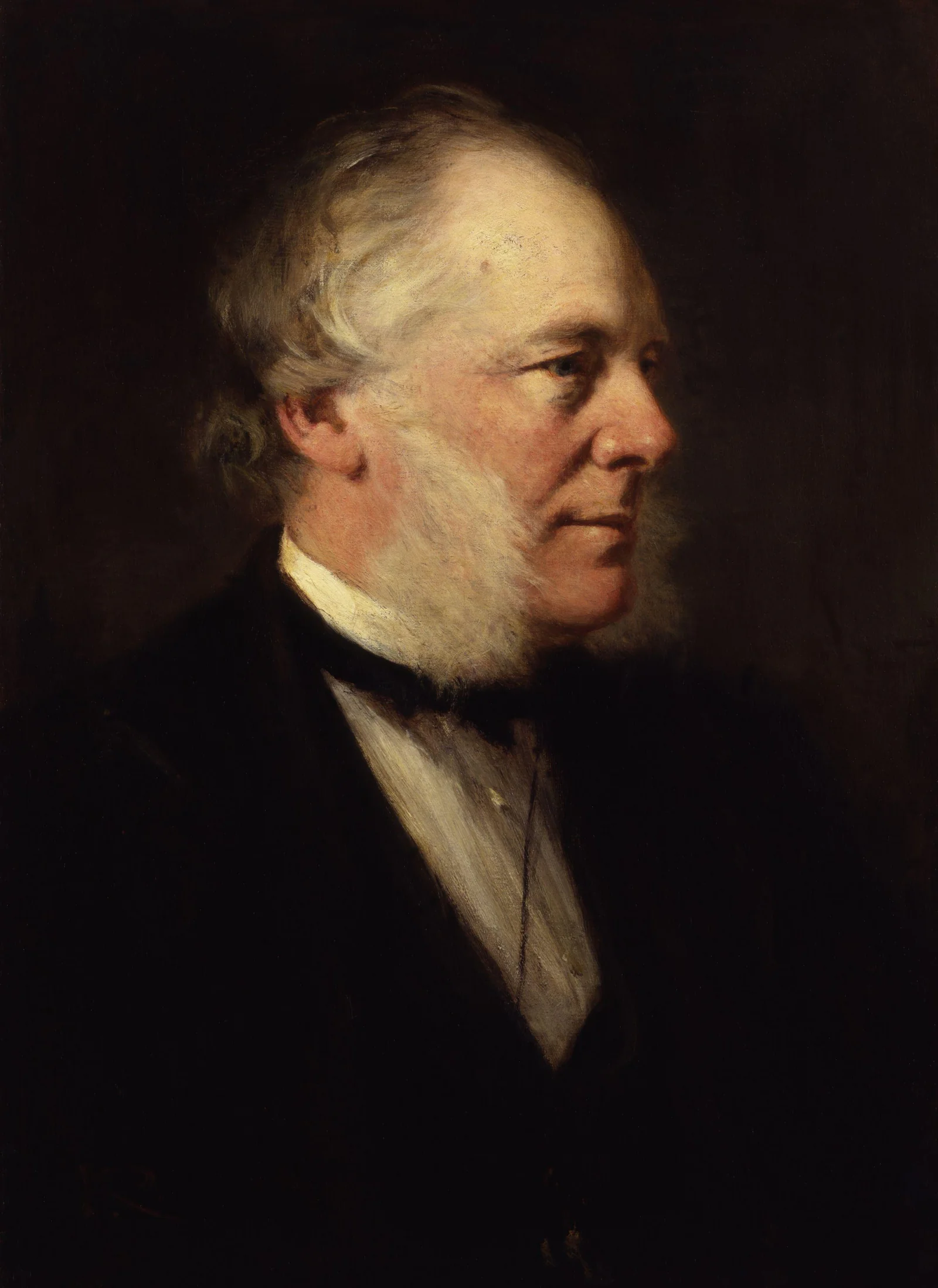
| 30 Quotes | |
| Occup. | Author |
| From | Scotland |
| Born | December 23, 1812 |
| Died | April 16, 1904 |
| Aged | 91 years |
| Cite | |
Citation Formats
APA Style (7th ed.)
Samuel smiles biography, facts and quotes. (2026, February 11). FixQuotes. https://fixquotes.com/authors/samuel-smiles/
Chicago Style
"Samuel Smiles biography, facts and quotes." FixQuotes. February 11, 2026. https://fixquotes.com/authors/samuel-smiles/.
MLA Style (9th ed.)
"Samuel Smiles biography, facts and quotes." FixQuotes, 11 Feb. 2026, https://fixquotes.com/authors/samuel-smiles/. Accessed 6 Mar. 2026.
Early Life and Background
Samuel Smiles was born on December 23, 1812, in Haddington, East Lothian, in a Scotland being remade by improvement, evangelical moral seriousness, and the widening reach of print. His father, also named Samuel, worked as a paper-maker and later ran a small shop; the family knew the precarious edge between respectability and want that marked many lower-middle-class Scottish households. Smiles grew up amid the practical disciplines of parish life and the Scottish reverence for learning, where ambition was praised but failure was common and public shame could be lasting.His father died while Smiles was still young, forcing early responsibility and sharpening the self-scrutinizing tone that would later animate his writing. The era was one of political agitation and social dislocation: industrial towns swelled, artisans organized, and arguments raged over the meaning of "reform" after the 1832 Reform Act. Smiles, temperamentally earnest and socially observant, carried from youth a conviction that character was forged under pressure - and that private habits could be a public force.
Education and Formative Influences
Smiles studied medicine at the University of Edinburgh, a major center of Enlightenment-derived empiricism and moral philosophy, where a student could absorb both scientific method and civic duty. Yet his formative education was as much in the debating societies, newspapers, and reform circles as in lecture rooms. In the 1830s he moved between professional aspiration and political conscience, editing and writing for radical outlets and aligning for a time with Chartist energies, even as he distrusted demagoguery and romanticized violence; the tension between structural change and self-discipline would become his lifelong theme.Career, Major Works, and Turning Points
After qualifying, Smiles practiced as a doctor in Haddington and later in Leeds, but journalism and public administration increasingly claimed him. In Leeds he became editor of the Leeds Times, a reform-minded paper, and learned how biography and anecdote could move readers more than theory. A crucial turn came when he left medicine for railway work, becoming secretary to the Leeds and Thirsk Railway (later the North Eastern Railway) and later serving as secretary to the South-Eastern Railway in London; the railway age gave him a living gallery of engineers, managers, and self-trained artisans. Drawing on lectures first delivered to working men, he published Self-Help (1859), a phenomenon of Victorian moral literature, followed by Character (1871), Thrift (1875), and Duty (1880). He also wrote a series of exemplary lives - including Lives of the Engineers (1861-62), The Life of George Stephenson (1857), and biographies of industrial innovators such as James Watt - turning the new heroism of industry into a readable national scripture.Philosophy, Style, and Themes
Smiles converted the Victorian obsession with improvement into a portable ethic: steady work, punctuality, sobriety, and the cultivation of will. His prose is built from short moral claims, scenes of apprenticeship, and case studies of invention, a style designed to be read in snatches by clerks, mechanics, and ambitious youths. Yet beneath the public sermon is a psychology shaped by early bereavement and by observing how easily promising lives were broken by drink, debt, or discouragement. Hence his insistence that effort creates not only outcomes but ownership of the self: “Knowledge conquered by labor becomes a possession - a property entirely our own”. The sentence is less about information than about identity - the inward satisfaction of having earned one's competence.Hope, for Smiles, is not sentiment but a discipline that keeps action possible. “Hope... is the companion of power, and the mother of success; for who so hopes has within him the gift of miracles”. He wrote for readers who lived close to humiliation, and he tried to replace fatalism with a moral technology: habits, examples, and incremental progress. At the same time he acknowledged error as a tutor, turning failure from stigma into instruction: “We learn wisdom from failure much more than from success. We often discover what will do, by finding out what will not do; and probably he who never made a mistake never made a discovery”. This is the humane core of his severity - a refusal to let the imperfect be exiled from improvement.
Legacy and Influence
Smiles died on April 16, 1904, having become one of the most translated and debated moralists of the 19th century. Admirers treated him as the great explicator of Victorian self-making; critics, especially in later welfare-state and socialist traditions, faulted him for underplaying structural poverty and for dressing economic success in ethical clothing. Yet his enduring influence lies in how he made biography a tool of mass moral education and recast industrial modernity as a theater of character. From Carnegie-era self-improvement culture to the continuing rhetoric of "grit" and personal agency, Smiles remains a key ancestor - best read with historical caution, but also with respect for his attempt to dignify ordinary perseverance in an age of wrenching change.Our collection contains 30 quotes written by Samuel, under the main topics: Motivational - Ethics & Morality - Wisdom - Never Give Up - Life.
Other people related to Samuel: James Nasmyth (Inventor)
Samuel Smiles Famous Works
- 1884 Men of Invention and Industry (Book)
- 1880 Duty (Book)
- 1875 Thrift (Book)
- 1871 Character (Book)
- 1859 Self-Help (Book)
Source / external links