
Sanford I. Weill Biography Quotes 30 Report mistakes
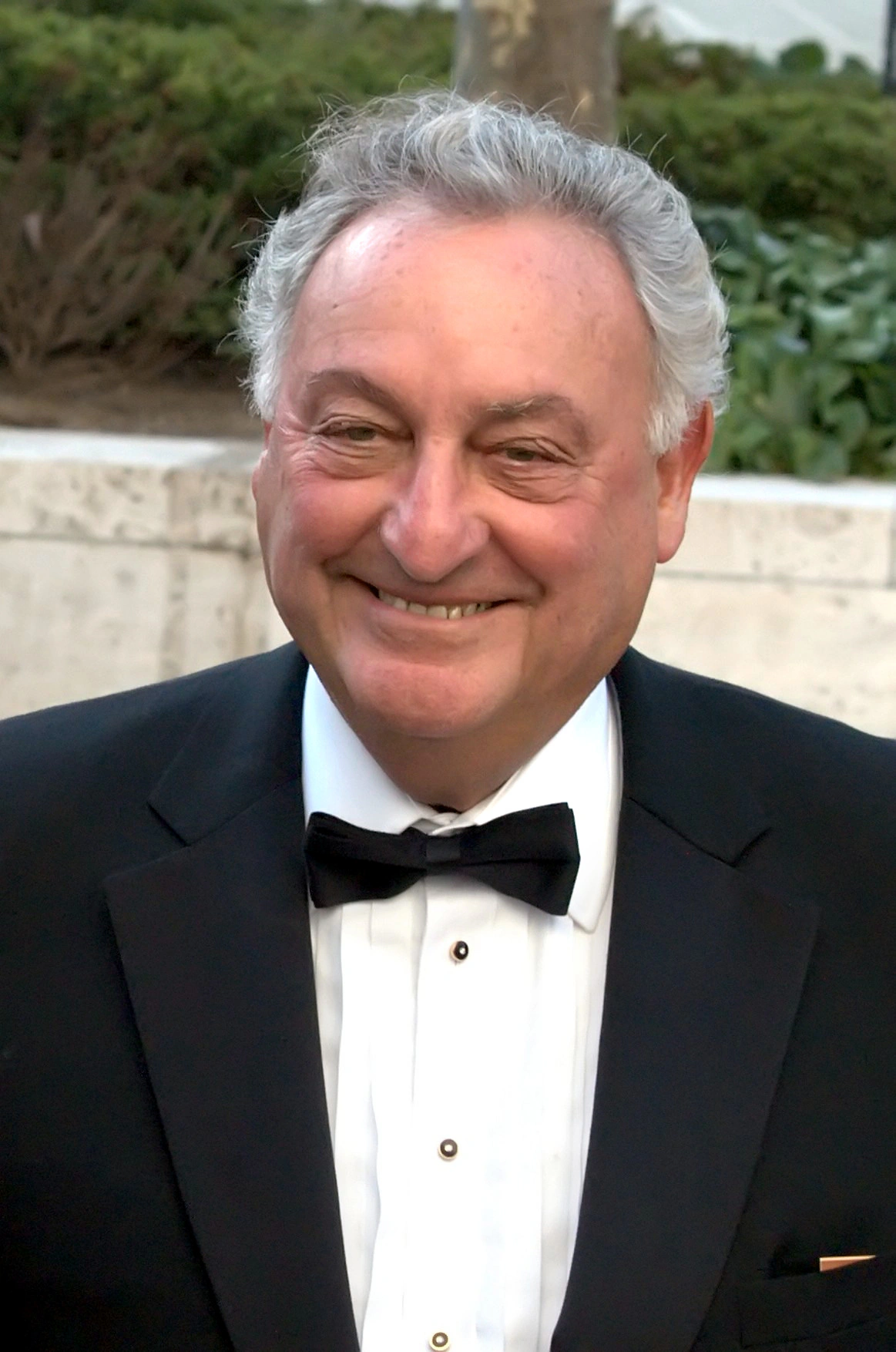
Attr: David Shankbone, CC BY 3.0
| 30 Quotes | |
| Known as | Sandy Weill |
| Occup. | Businessman |
| From | USA |
| Spouse | Joan Weill |
| Born | March 16, 1933 Brooklyn, New York, USA |
| Age | 93 years |
| Cite | |
Citation Formats
APA Style (7th ed.)
Sanford i. weill biography, facts and quotes. (2026, February 11). FixQuotes. https://fixquotes.com/authors/sanford-i-weill/
Chicago Style
"Sanford I. Weill biography, facts and quotes." FixQuotes. February 11, 2026. https://fixquotes.com/authors/sanford-i-weill/.
MLA Style (9th ed.)
"Sanford I. Weill biography, facts and quotes." FixQuotes, 11 Feb. 2026, https://fixquotes.com/authors/sanford-i-weill/. Accessed 26 Mar. 2026.
Early Life and Background
Sanford I. Weill was born on March 16, 1933, in Brooklyn, New York, into a Jewish, working-class family shaped by the austerity after the Great Depression and the mobilizing confidence of World War II. New York in the 1940s and 1950s was a city where social climbing was visible block by block - storefront businesses, union jobs, and the expanding world of finance downtown. The young Weill absorbed a practical lesson early: the city rewarded hustle, but it also punished carelessness. That tension - ambition bounded by risk - would later sit at the center of his career.He has described himself as physically and temperamentally unlikely for the swaggering image of Wall Street, recalling, “I was sort of a sissy as a little kid”. The remark is more revealing than self-deprecation: it hints at a childhood spent compensating through alertness, organization, and social reading of rooms. In an era when masculinity and authority were loudly performed, Weill learned to win by being indispensable - the one who remembered the fine print, anticipated the objection, and built loyalty through relentless follow-through.
Education and Formative Influences
Weill attended Cornell University, graduating in the mid-1950s, a period when higher education was increasingly tied to postwar professionalization and corporate growth. Cornell gave him a blend of fraternity-network sociability and managerial discipline, but his most formative education was not theoretical. It was the early, transactional culture of securities sales and operations, where persuasion and process mattered as much as insight. In later reflections he framed this cumulative learning simply: “I think we are a product of all our experiences”. - a worldview that treated every job, mentor, and mishap as raw material for the next acquisition, turnaround, or merger.Career, Major Works, and Turning Points
After early work in brokerage, Weill co-founded the firm that became Shearson, helping build it into a major securities house, then participated in its 1981 sale to American Express - a corporate match emblematic of the conglomerate era. He later led Commercial Credit, using it as a platform for aggressive consolidation: buying Primerica, then orchestrating the 1998 merger of Travelers Group and Citicorp to create Citigroup, a financial supermarket that embodied the deregulatory momentum of late-20th-century America and anticipated (and influenced) the 1999 repeal of key Glass-Steagall barriers via the Gramm-Leach-Bliley Act. Weill became Citigroup's chief executive and then chairman, steering a vast empire across banking, brokerage, insurance, and global markets. His tenure showed both the power and the fragility of scale - a model that dominated the era, then drew sharper scrutiny after the early-2000s governance scandals and, later, the 2008 crisis that exposed systemic interconnectedness.Philosophy, Style, and Themes
Weill's operating philosophy fused meticulous execution with bold structural bets. He believed that advantage came from mastering the granular: “Details create the big picture”. In practice, that meant obsessive attention to incentives, reporting lines, and culture-by-process - the unglamorous wiring that makes mergers work after the celebratory press release. It also meant cultivating a reputation for personally tracking what others delegated. That managerial temperament - intense, transactional, and memory-driven - helped him integrate disparate businesses quickly, but it could also harden into a belief that scale itself was a cure, even when complexity created new, opaque risks.At a deeper level, Weill narrated his life as a distinctly American ascent story, a psychological engine that legitimized long hours, constant deal-making, and a tolerance for conflict. “I think the American Dream says that anything can happen if you work hard enough at it and are persistent, and have some ability. The sky is the limit to what you can build, and what can happen to you and your family”. That faith in upward mobility coexisted with a philanthropic conscience that grew more pronounced with age and public visibility - a wish to translate private success into civic durability. “I believe in giving back very strongly”. Read together, these ideas suggest a man who sought both mastery and meaning: to build institutions large enough to outlast him, and to be remembered as more than a consolidator of balance sheets.
Legacy and Influence
Weill remains one of the defining architects of modern American mega-finance - celebrated as a dealmaker who proved that relentless consolidation could remake an industry, and criticized as a symbol of the bigness that later worried regulators and the public. Citigroup's creation became a template and a warning, shaping how policymakers, competitors, and historians debate universal banking, systemic risk, and corporate governance. Beyond boardrooms, his philanthropic giving - notably through the Weill Family Foundation and major commitments to medical research, education, and cultural institutions - expanded his influence into civic life. His biography ultimately mirrors his era: postwar optimism, deregulated ambition, and the enduring question of how private financial innovation should serve the public good.Our collection contains 30 quotes written by Sanford, under the main topics: Motivational - Leadership - Learning - Life - Sports.
Other people related to Sanford: Robert E. Rubin (Businessman), Bob Rubin (Businessman)
Sanford I. Weill Famous Works
Source / external links