
Sara Paretsky Biography Quotes 31 Report mistakes
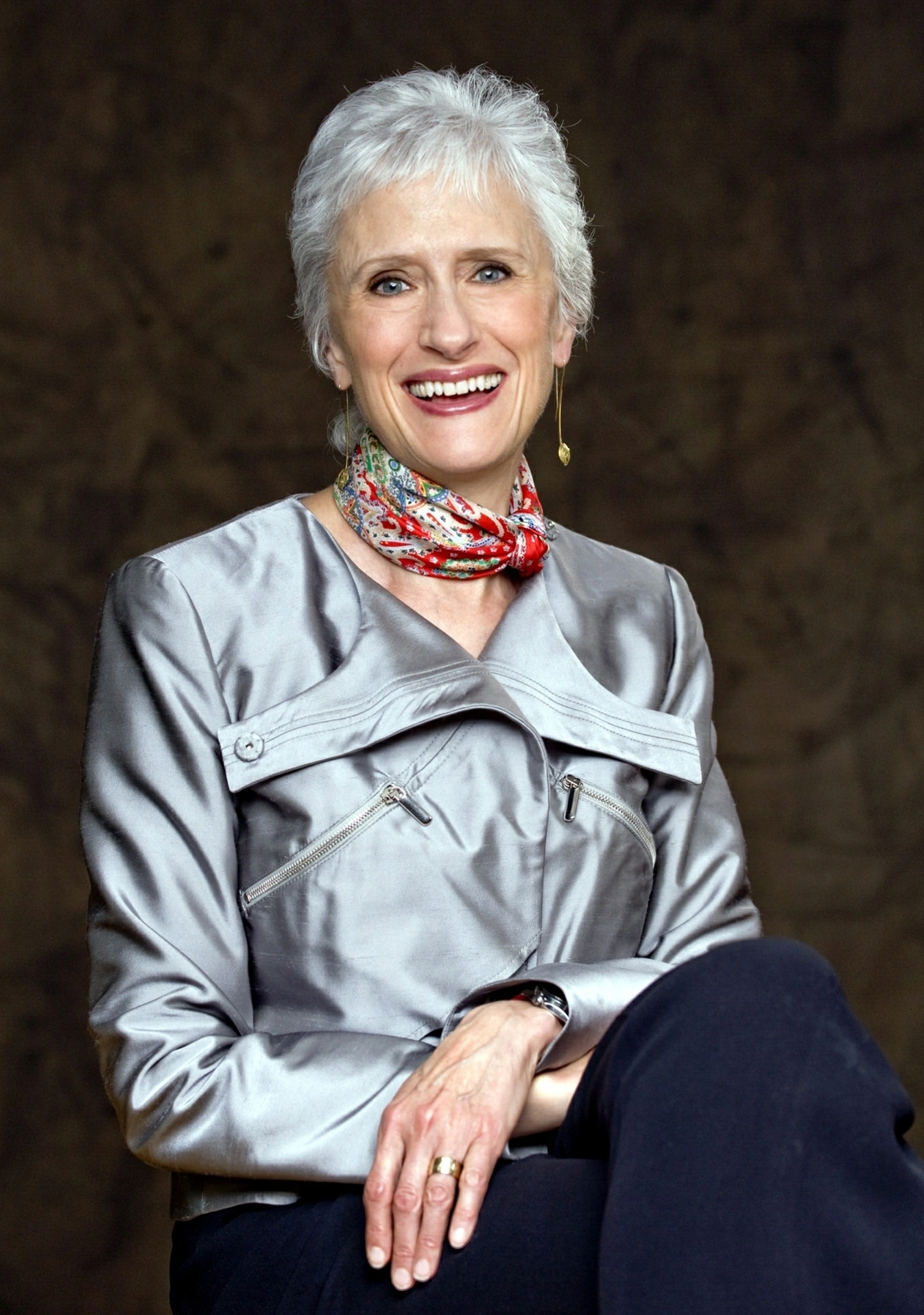
| 31 Quotes | |
| Occup. | Author |
| From | USA |
| Born | June 8, 1947 Ames, Iowa, U.S. |
| Age | 78 years |
| Cite | |
Citation Formats
APA Style (7th ed.)
Sara paretsky biography, facts and quotes. (2026, February 11). FixQuotes. https://fixquotes.com/authors/sara-paretsky/
Chicago Style
"Sara Paretsky biography, facts and quotes." FixQuotes. February 11, 2026. https://fixquotes.com/authors/sara-paretsky/.
MLA Style (9th ed.)
"Sara Paretsky biography, facts and quotes." FixQuotes, 11 Feb. 2026, https://fixquotes.com/authors/sara-paretsky/. Accessed 25 Mar. 2026.
Early Life and Background
Sara Paretsky was born June 8, 1947, and came of age in the flat, wind-scoured middle of the United States, a Jewish girl in a region where belonging could feel conditional and where gender expectations were bluntly enforced. She has described a childhood shaped by the contradictions of postwar respectability: civic optimism on the surface, narrowed horizons at home and school. “I grew up in conservative rural Kansas in the 1950s when it was expected that girls would not have a life outside the home, so educating them was a waste of time”. That early lesson - that a life could be prescribed before it was chosen - became the emotional engine behind her later fiction.
Family life offered its own mixed messages. Her parents valued books and ideas, yet the practical work of the household landed where tradition said it should. “My parents were liberal intellectuals but even they expected me to stay at home and look after my younger siblings and do the housework”. The result was not only rebellion but also a durable attentiveness to the hidden labor that props up public life - a theme she would return to in narratives where class, gender, and power are not abstractions but daily pressures.
Education and Formative Influences
Paretsky left rural constraint through education and politics, entering the University of Kansas in the late 1960s, a period marked by civil rights struggle and the Vietnam War, when campus debate could feel like a rehearsal for the nation. “I went to college at the University of Kansas, where I got a degree in political science”. She later pursued graduate study in history and economics at the University of Chicago, absorbing the citys hard-edged realities, its machine politics, and its stark inequities - an urban education that would eventually give her fiction its muscular sense of place and institutional detail.
Career, Major Works, and Turning Points
Before becoming a full-time novelist, Paretsky worked in Chicago in business and writing-adjacent roles, learning how bureaucracies protect themselves and how money shapes narratives. “Around the time I turned 30, I wanted to publish a novel”. She broke through with Indemnity Only (1982), launching private investigator V.I. Warshawski - a tough, principled Chicago detective whose very existence challenged the then male-dominated hardboiled tradition. The series grew into a major body of work, including Deadlock, Killing Orders, Bitter Medicine, and later, widely praised novels such as Blacklist and Critical Mass, which braided contemporary crimes with political history, corporate secrecy, and community memory. Another turning point came off the page: in 1986 she helped found Sisters in Crime, an advocacy organization that confronted industry bias in reviewing and publishing and pushed for women crime writers to be read, stocked, and remembered.
Philosophy, Style, and Themes
Paretskys style is propulsive and investigative, but the investigation is never only about a culprit. It is about systems: banks, hospitals, universities, corporations, police departments, philanthropic boards - institutions that can launder violence into policy and turn suffering into paperwork. Her political science background and Chicago training ground show in the way clues often live in contracts, ledgers, and zoning decisions, not just in alleys. She writes in the first-person tradition of Chandler and Macdonald, yet retools it: desire is less central than accountability; swagger yields to stubborn moral attention. Her novels insist that the private eye is not a lone wolf above the city but a citizen entangled in it.
The psychological core of her work is refusal - refusal to accept the smallness assigned to women, refusal to treat crime as entertainment detached from power. The memory of being told education was wasted on girls becomes, in her fiction, a rage turned lucid: V.I. Warshawski keeps learning, keeps reading, keeps prying open rooms where she is not expected to enter. Paretsky also writes with a singers sense of breath and cadence - an ear for dialogue that can move from wisecrack to elegy without losing tempo. The advocacy that led to Sisters in Crime grew from the same inner compass: “In 1986 we were trying to help women get in print, stay in print, and come to the attention of booksellers and libraries. At that time, books by men mystery writers were reviewed seven times as often as books by women”. Her books dramatize how unequal attention is itself a kind of social verdict - and how insisting on visibility can be an ethical act.
Legacy and Influence
Paretsky helped redefine American detective fiction by proving that the hardboiled novel could be both socially analytic and fiercely entertaining without surrendering either compassion or bite. V.I. Warshawski became a template for later generations of women investigators - not because she is invulnerable, but because she is persistent, politically awake, and emotionally credible. Through Sisters in Crime and decades of bestselling, Chicago-rooted novels, Paretsky expanded who gets to narrate urban power and who gets believed when they name it, leaving a legacy that is literary, institutional, and quietly personal: a body of work that treats justice as a practice, not a slogan.
Our collection contains 31 quotes written by Sara, under the main topics: Witty One-Liners - Justice - Music - Friendship - Writing.
Other people related to Sara: Sue Grafton (Novelist)
Sara Paretsky Famous Works
- 1994 Tunnel Vision (Novel)
- 1992 Guardian Angel (Novel)
- 1990 Burn Marks (Novel)
- 1988 Blood Shot (Novel)
- 1987 Bitter Medicine (Novel)
- 1985 Killing Orders (Novel)
- 1984 Deadlock (Novel)
- 1982 Indemnity Only (Novel)
Source / external links