
Sarah Ban Breathnach Biography Quotes 39 Report mistakes
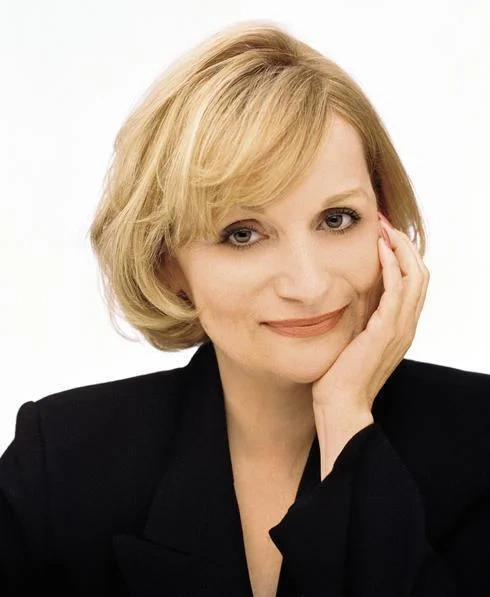
| 39 Quotes | |
| Occup. | Author |
| From | USA |
| Born | October 5, 1948 San Francisco, California |
| Age | 77 years |
| Cite | |
Citation Formats
APA Style (7th ed.)
Sarah ban breathnach biography, facts and quotes. (2026, February 11). FixQuotes. https://fixquotes.com/authors/sarah-ban-breathnach/
Chicago Style
"Sarah Ban Breathnach biography, facts and quotes." FixQuotes. February 11, 2026. https://fixquotes.com/authors/sarah-ban-breathnach/.
MLA Style (9th ed.)
"Sarah Ban Breathnach biography, facts and quotes." FixQuotes, 11 Feb. 2026, https://fixquotes.com/authors/sarah-ban-breathnach/. Accessed 12 Feb. 2026.
Early Life and Background
Sarah Ban Breathnach was born on October 5, 1948, in the United States, into the vast postwar middle landscape that produced both consumer abundance and a quiet hunger for meaning. Coming of age alongside second-wave feminism, the self-help boom, and the rise of mass-market publishing, she would later speak in a voice that sounded intimate yet civic-minded - a companionable guide for readers trying to make a livable inner life inside busy, modern days.Although much about her private family history is not widely documented in reliable, primary-detail form, her public persona points to a temperament shaped by observation: attentive to how households run, how women carry invisible labor, and how small rituals can steady a life. The America that formed her was a nation of expanding opportunity and accelerating distraction; her later work reads like a countercurrent to that speed, insisting that ordinary days are not an obstacle to meaning but the raw material of it.
Education and Formative Influences
Ban Breathnach emerged as a writer during a period when spiritual seekers moved fluidly among Christian devotional practice, recovery language, mindfulness, and therapeutic culture, and she absorbed that hybrid vocabulary without becoming doctrinaire. Her influences are often felt more than named: the epistolary intimacy of personal letters and journals, the practical wisdom of domestic arts, and the late-20th-century conviction that narrative can reframe suffering into purpose - a conviction she would translate into structured, accessible practices for everyday readers.Career, Major Works, and Turning Points
She became widely known as the author of Simple Abundance: A Daybook of Comfort and Joy (1995), a bestselling devotional-style daybook that arrived when many readers - especially women - were looking for spirituality without jargon and discipline without austerity; it helped popularize gratitude journaling and small daily rituals as serious tools rather than lifestyle garnish. She extended that world through subsequent works and related projects, building a recognizable signature: daily-format reflection, gentle imperatives, and a faith-tinged but broadly inclusive ethics of attention; her turning point was not a single controversy or reinvention, but the moment her private, diary-like voice proved scalable to millions without losing its tone of personal address.Philosophy, Style, and Themes
At the center of Ban Breathnach's writing is a psychological wager: that a life can be changed less by dramatic overhaul than by sustained noticing. She treats the self not as a brand to improve but as a soul to reveal, insisting that "The authentic self is the soul made visible". In practice, that means learning to see ones real desires under the noise of obligation and comparison - then honoring them with small, repeated acts. Her style is deliberately domestic and devotional: short forms, direct address, and a cadence built for rereading, as if the page were a bedside table and the sentence a daily vitamin.Her themes also carry an ethic of agency without harshness. The psychological tension she returns to is the readers fear that ordinary life is too fragmented to hold significance; she answers by arguing that meaning is assembled in the overlooked hours, not only in milestone scenes. "We think that it's the big moments that define our lives-the wedding, the baby, the new house, the dream job. But really, these big moments of happiness are just the punctuation marks of our personal sagas. The narrative is written every day in the small, the simple, and the common". That emphasis on the daily is not passive - it is a call to act with reverence and steadiness: "The world needs dreamers and the world needs doers. But above all, the world needs dreamers who do". Read together, these lines reveal a writer preoccupied with rescuing aspiration from fantasy and rescuing discipline from self-punishment, turning both into a workable practice of hope.
Legacy and Influence
Ban Breathnach's enduring influence lies in how she made the "small" feel morally and emotionally consequential, helping shape late-20th-century and early-21st-century habits around gratitude, journaling, and intentional living that now seem commonplace. She did not invent spiritual reflection or domestic ritual, but she translated them into a mass, modern idiom - portable, nonsectarian enough for diverse readers, and structured enough to become habit. In that sense, her work stands as a cultural artifact of its era and a continuing tool: a reminder that attention is not merely aesthetic, but a kind of daily authorship of the self.Our collection contains 39 quotes written by Sarah, under the main topics: Motivational - Life - Live in the Moment - Kindness - Hope.
Sarah Ban Breathnach Famous Works
- 2010 Peace and Plenty: Finding Your Path to Financial Serenity (Book)
- 2002 Romancing the Ordinary: A Year of Simple Splendor (Book)
- 1998 Something More: Excavating Your Authentic Self (Book)
- 1996 The Simple Abundance Journal of Gratitude (Journal)
- 1995 Simple Abundance: A Daybook of Comfort and Joy (Book)
Source / external links