
Shaikha Mai bint Mohammed Al Khalifa Biography Quotes 6 Report mistakes
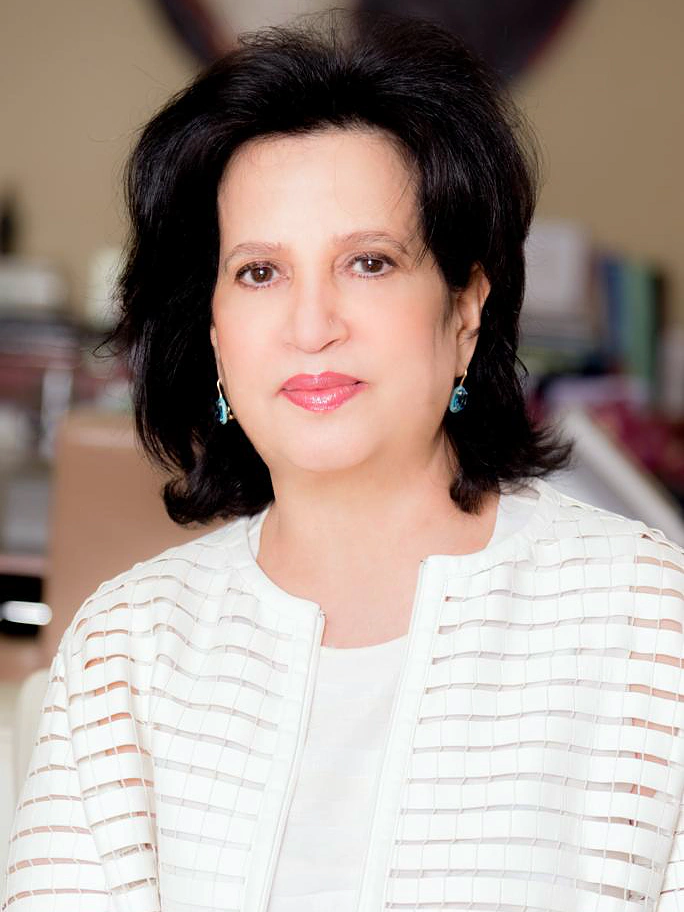
| 6 Quotes | |
| Native name | الشيخة مي بنت محمد آل خليفة |
| Occup. | Politician |
| From | Bahrain |
| Spouse | Sheikh Ebrahim bin Mohammed Al Khalifa |
| Born | Manama, Bahrain |
| Cite | |
Citation Formats
APA Style (7th ed.)
Shaikha mai bint mohammed al khalifa biography, facts and quotes. (2026, February 16). FixQuotes. https://fixquotes.com/authors/shaikha-mai-bint-mohammed-al-khalifa/
Chicago Style
"Shaikha Mai bint Mohammed Al Khalifa biography, facts and quotes." FixQuotes. February 16, 2026. https://fixquotes.com/authors/shaikha-mai-bint-mohammed-al-khalifa/.
MLA Style (9th ed.)
"Shaikha Mai bint Mohammed Al Khalifa biography, facts and quotes." FixQuotes, 16 Feb. 2026, https://fixquotes.com/authors/shaikha-mai-bint-mohammed-al-khalifa/. Accessed 29 Mar. 2026.
Early Life and Background
Shaikha Mai bint Mohammed Al Khalifa emerged from Bahrain's ruling Al Khalifa family into a society balancing rapid modernization with the fragility of a small-island identity. Born in Bahrain, she came of age as the country moved from the last decades of the British-protected era into full independence (1971) and then into the oil-funded acceleration that reshaped Manama's skyline, labor market, and social fabric. In that transformation, old pearling neighborhoods, trade routes, and oral histories risked becoming decorative motifs rather than lived memory - a tension that would later define her public mission.Her public persona is often associated with institutions and titles, but her inner life has been marked by a curator's temperament: attentive to place, language, and continuity, and unusually sensitive to what is lost when development is measured only by GDP. Bahrain's compact geography - where forts, souqs, cemeteries, and seafronts sit within minutes of each other - encouraged a way of thinking in which heritage is not abstract but tactile. That sensibility made her a political figure whose authority has frequently been exercised through cultural infrastructure rather than partisan contest.
Education and Formative Influences
Trained as an economist, Shaikha Mai studied at the University of Bahrain, an education that helped her translate cultural concerns into the vocabulary of planning, investment, and outcomes. The formative influence was less a single mentor than an era: the 1980s-1990s Gulf shift toward state-led modernization, coupled with growing global attention to heritage conservation and UNESCO frameworks. She absorbed the lesson that a small nation competes through credibility and narrative as much as through scale, and that cultural assets can be governed - budgeted, measured, and strategically protected - without being reduced to commodities.Career, Major Works, and Turning Points
She became one of Bahrain's most visible cultural policymakers, serving as Minister of Culture (and later as President of the Bahrain Authority for Culture and Antiquities), and using the state apparatus to professionalize preservation, museums, festivals, and site management. A major turning point was the successful internationalization of Bahraini heritage through UNESCO World Heritage recognition, most notably the Pearling, Testimony of an Island Economy inscription (2012), which reframed pearling not as nostalgia but as an economic and social system with architecture, labor, and global trade links. Another inflection came with the expansion of cultural tourism initiatives such as the annual Spring of Culture and the strategic restoration of historic districts, projects that positioned Bahrain as a cultural crossroads while also testing how far heritage-led development could serve local communities without displacing them.Philosophy, Style, and Themes
Her governing philosophy treats culture as both civic glue and geopolitical language. She has repeatedly argued that “Culture is the true act of resistance that we count on as it brings together opposites in a rich context”. The word "resistance" is revealing: it points not to militancy, but to an internal refusal - the refusal to let memory be overwritten by speed, sectarian polarization, or a purely commercial urbanism. Psychologically, this stance suggests a leader who experiences heritage loss as a form of social injury and who seeks repair through shared spaces: museums, restored streets, and public rituals that allow citizens to recognize one another across difference.Her style is pragmatic idealism - translating humanistic claims into governance mechanisms. “Culture means a lot for everybody. Culture is the only tool to bring people together”. That absolutist phrasing ("the only tool") is less a literal policy claim than a window into her moral hierarchy: when politics hardens into camps, she privileges the slower work of building common reference points. In the same vein, “We are always driven in creating ways to reach one another and build bridges between us”. The emphasis on bridges, not walls, maps onto her preference for cross-border cultural diplomacy and for local projects that make belonging visible - by conserving sites tied to work, worship, and daily life, not only palaces and monuments. Across her initiatives, culture becomes a development strategy, but also a personal ethic: stewardship as an answer to anxiety about fragmentation.
Legacy and Influence
Shaikha Mai's enduring influence lies in normalizing the idea that cultural policy is statecraft, not ornament - that heritage can anchor sustainable development, international legitimacy, and social cohesion in a small Gulf state negotiating global pressures. By pushing Bahrain's story into world institutions and by investing in restoration, festivals, and heritage routes, she helped set a regional template for culture-led governance that other Gulf cultural authorities have echoed. Her legacy will be judged not only by inscriptions and events, but by whether the restored neighborhoods remain living communities; yet even her critics concede that she made culture a serious instrument of public policy, and in doing so widened what "politician" can mean in the contemporary Arab world.Our collection contains 6 quotes written by Shaikha, under the main topics: Art - Freedom - Peace - Legacy & Remembrance.
Source / external links