
Sherman Alexie Biography Quotes 5 Report mistakes
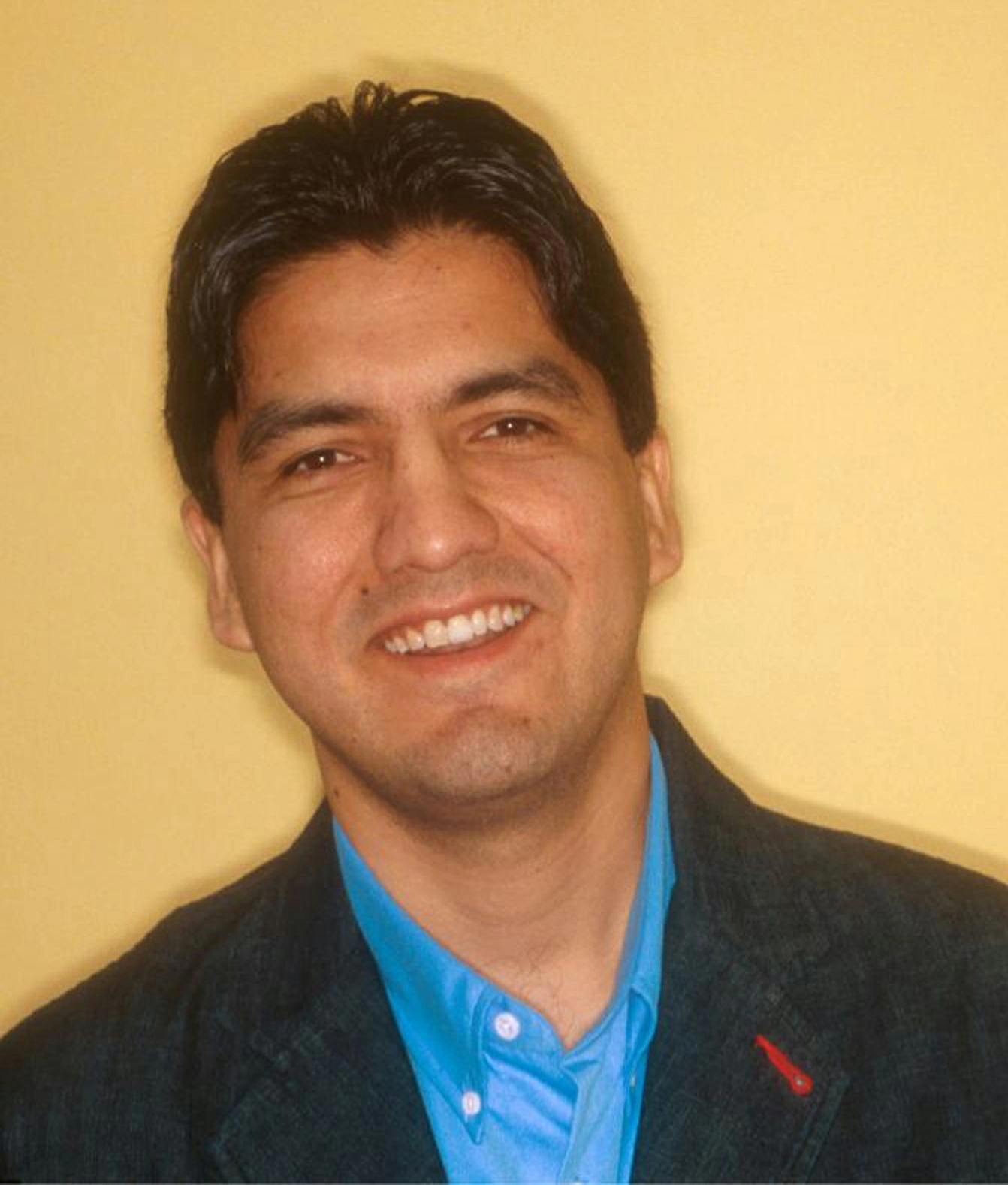
| 5 Quotes | |
| Born as | Sherman Joseph Alexie, Jr. |
| Occup. | Writer |
| From | USA |
| Born | October 7, 1966 Wellpinit, Washington |
| Age | 59 years |
| Cite | |
Citation Formats
APA Style (7th ed.)
Sherman alexie biography, facts and quotes. (2026, February 11). FixQuotes. https://fixquotes.com/authors/sherman-alexie/
Chicago Style
"Sherman Alexie biography, facts and quotes." FixQuotes. February 11, 2026. https://fixquotes.com/authors/sherman-alexie/.
MLA Style (9th ed.)
"Sherman Alexie biography, facts and quotes." FixQuotes, 11 Feb. 2026, https://fixquotes.com/authors/sherman-alexie/. Accessed 6 Mar. 2026.
Early Life and Background
Sherman Joseph Alexie, Jr. was born on October 7, 1966, in Wellpinit on the Spokane Indian Reservation in eastern Washington, a landscape of pines, basketball courts, and hard arithmetic. He grew up amid reservation poverty and the aftershocks of federal Indian policy that had compressed dozens of distinct nations into administrative categories, while television and pop music beamed in the wider United States he was expected to decode but not fully enter. In his work he would return obsessively to that border condition - loving the community that raised him while refusing to romanticize the damage done by dispossession, alcoholism, and boredom.From infancy he faced severe medical challenges: hydrocephalus required brain surgery as a baby and carried predictions of lasting impairment. Instead he became a fierce reader, using books as both refuge and exit strategy, and later describing storytelling as survival equipment. That early confrontation with fragility sharpened a lifelong sense of urgency - the feeling that a life could be cut short or narrowed at any moment, and therefore had to be made into language.
Education and Formative Influences
Alexie attended reservation schools before transferring to Reardan High School, a mostly white farming-community school off the reservation, where he excelled academically and played basketball, experiences that fed his later portraits of divided loyalties and the costs of leaving. He studied at Gonzaga University and then Washington State University, initially aiming toward medicine before turning to writing after encouragement from poet Alex Kuo. The late-1980s and early-1990s context mattered: a growing Native literary renaissance, debates over authenticity and representation, and a national culture that often wanted Indigenous people either tragic or timeless - positions Alexie would disrupt with contemporary slang, jokes, and anger.Career, Major Works, and Turning Points
He broke out with poetry and stories that fused stand-up timing with social indictment, notably The Business of Fancydancing (1992) and The Lone Ranger and Tonto Fistfight in Heaven (1993), then reached a wider audience with the novel Reservation Blues (1995). His screenplay for the film Smoke Signals (1998), adapted from his fiction and directed by Chris Eyre, became a landmark for contemporary Native cinema, while essays, stories, and novels such as The Absolutely True Diary of a Part-Time Indian (2007) expanded his readership into classrooms and libraries. Late in his public life, multiple allegations of sexual misconduct led to professional fallout and complicated his standing, forcing readers and institutions to weigh the power of the work against harm and accountability.Philosophy, Style, and Themes
Alexies defining stance was to treat reservation life as fully modern - saturated by radios, fast food, sports statistics, and grief - and to insist that humor could carry unbearable truth. His narrators crack jokes at funerals, turn pop songs into prayers, and use the first-person voice like a moving target: confessional one moment, satiric the next, always aware of the audience. That tonal agility let him write about poverty, addiction, and lateral violence without surrendering his characters to pity, and it exposed the ways institutions - schools, churches, courts, publishing - translate Indigenous pain into consumable stories.His psychology as an artist often reads as a bargain between compulsion and control. “If I wasn't writing poems I'd be washing my hands all the time”. The line frames art as obsessive ritual, a way to manage anxiety and impurity by converting it into form. Yet he also refused the comforting idea that creativity is innocent: “All art is exploitation”. In Alexies case, the exploitation cuts both ways - he mines family and community trauma, but he also indicts a market that rewards Native stories when they are suitably wounded. Beneath the jokes sits a moral claim to autonomy: “All I owe the world is my art”. That insistence helped him protect a private interior life while building public narratives that argue, again and again, that survival is not only staying alive but staying articulate.
Legacy and Influence
Alexie remains one of the most consequential Native American writers of his generation: he brought reservation vernacular, urban Indian experience, and a comic-tragic cadence into mainstream U.S. literature, influenced poets, fiction writers, and filmmakers, and made young-adult fiction a venue for Indigenous self-definition rather than anthropological lesson. His books continue to be taught and contested, praised for their accessibility and voice while debated for their portrayals of community and for the ethical shadow of his later scandals. The enduring influence is double-edged but real: he expanded what Native characters could sound like on the page - quick, profane, tender, furious - and forced American readers to recognize that contemporary Indigenous life is not a metaphor but a present tense.Our collection contains 5 quotes written by Sherman, under the main topics: Art - Poetry - Embrace Change - Teaching.
Sherman Alexie Famous Works
- 2017 You Don't Have to Say You Love Me: Essays (Essay)
- 2016 Thunder Boy Jr. (Children's book)
- 2009 War Dances (Collection)
- 2007 Flight (Novel)
- 2007 The Absolutely True Diary of a Part-Time Indian (Novel)
- 2003 What You Pawn I Will Redeem (Short Story)
- 2003 Ten Little Indians (Collection)
- 2000 The Toughest Indian in the World (Collection)
- 1998 Smoke Signals (screenplay) (Screenplay)
- 1996 Indian Killer (Novel)
- 1995 Reservation Blues (Novel)
- 1993 The Lone Ranger and Tonto Fistfight in Heaven (Collection)
- 1992 The Business of Fancydancing (Poetry)
Source / external links