
Shota Rustaveli Biography Quotes 4 Report mistakes
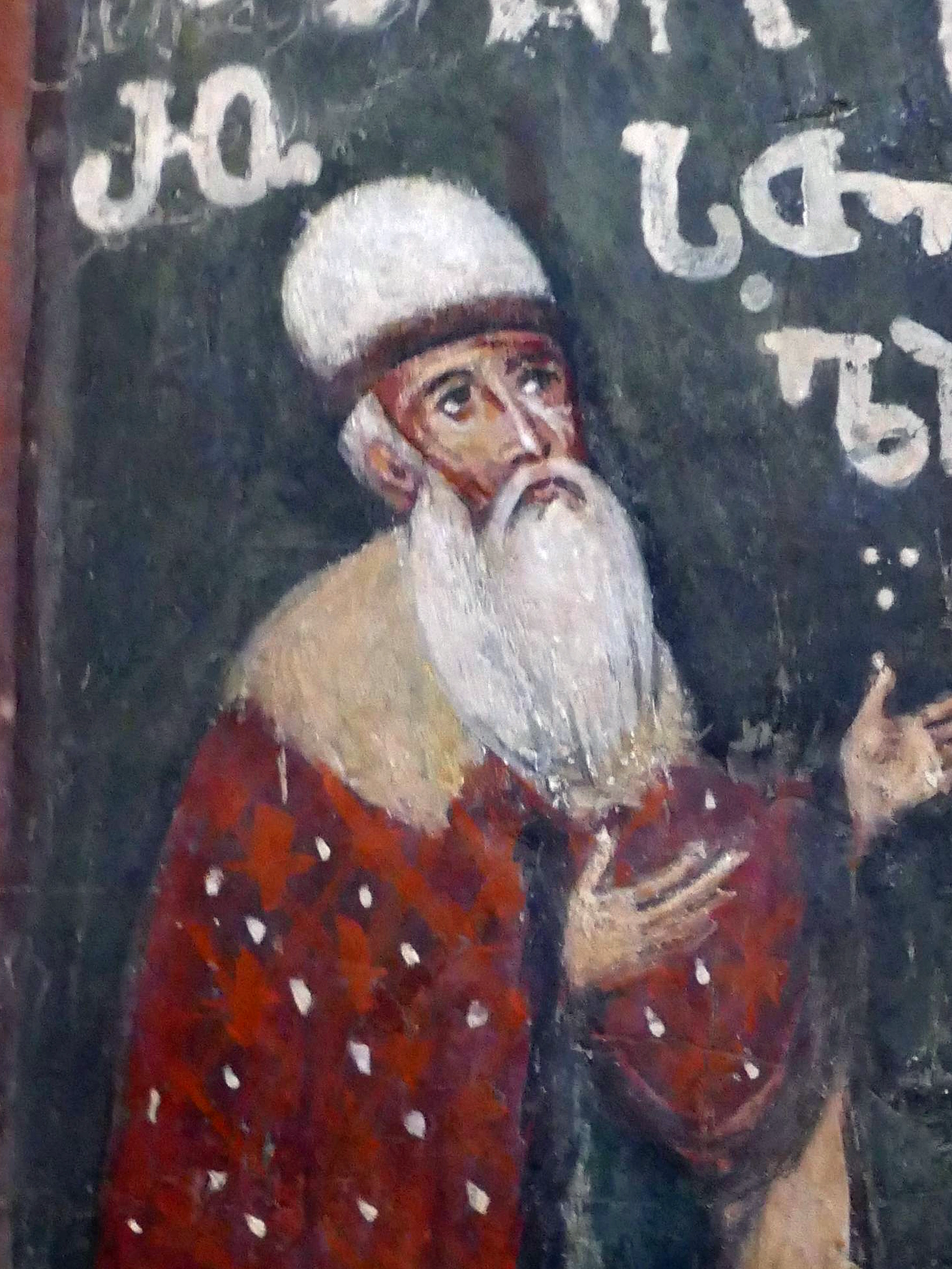
Attr: Bukvoed, CC BY 4.0
| 4 Quotes | |
| Known as | Rustaveli |
| Native name | შოთა რუსთაველი |
| Occup. | Poet |
| From | Georgia |
| Born | 1160 AC Rustavi, Meskheti Kingdom of Georgia |
| Died | 1220 AC Jerusalem |
| Cite | |
Citation Formats
APA Style (7th ed.)
Shota rustaveli biography, facts and quotes. (2026, February 23). FixQuotes. https://fixquotes.com/authors/shota-rustaveli/
Chicago Style
"Shota Rustaveli biography, facts and quotes." FixQuotes. February 23, 2026. https://fixquotes.com/authors/shota-rustaveli/.
MLA Style (9th ed.)
"Shota Rustaveli biography, facts and quotes." FixQuotes, 23 Feb. 2026, https://fixquotes.com/authors/shota-rustaveli/. Accessed 15 Mar. 2026.
Early Life and Background
Shota Rustaveli stands at the luminous center of Georgia's so-called Golden Age, yet his own outlines remain deliberately shadowed by time. He is generally placed in the late 12th and early 13th centuries, when the unified Georgian kingdom reached unusual political confidence and cultural ambition under Queen Tamar (reigned 1184-1213). The byname "Rustaveli" likely means "of Rustavi", but whether that points to a specific town in Kvemo Kartli or to another locality with the same name is not certain; in Georgian tradition it functions less as a surname than as an emblem of origin, a clue that the poet was anchored in the kingdom's bureaucratic and courtly world rather than in monastic seclusion.The era that formed him was one in which chivalric ideals, court ceremony, and Christian ethics met the cosmopolitan traffic of the Caucasus: Georgian nobles served the crown as soldiers and administrators, merchants moved between the Black Sea and Persia, and literary models arrived from Byzantium, Iran, and the Arabic-speaking world. Rustaveli's surviving fame rests on a single masterpiece, but that poem presupposes intimate knowledge of how honor is performed in public, how loyalty strains in private, and how power looks from the vantage point of someone close enough to see its costs.
Education and Formative Influences
Later Georgian memory presents Rustaveli as highly educated - fluent in the rhetorical and philosophical habits of the time, and conversant with both Christian learning and the narrative sophistication of Persianate romance. The texture of his verse suggests a court intellectual trained to argue, to praise, and to moralize without sounding like a preacher: he can stage debates about fate and choice, weigh kingship against compassion, and shape long narrative arcs with steady control. His formative influences likely included Georgian hymnographic tradition and Byzantine ethical discourse, alongside the storytelling patterns of eastern romances that prized quests, disguises, friendship oaths, and the testing of love through ordeal.Career, Major Works, and Turning Points
Rustaveli is traditionally associated with Queen Tamar's court, sometimes identified as a high official - a royal treasurer or administrator - though the hard documentary evidence is thin and filtered through later sources. His enduring work, The Knight in the Panther's Skin (Vepkhistqaosani), is commonly dated to Tamar's reign and is often read as both entertainment for a sophisticated court and a serious meditation on rulership, fidelity, and moral freedom. Legend places a later turn toward Jerusalem, where a fresco in the Monastery of the Cross has been linked to him, feeding the enduring image of a court poet who ended his life in pilgrimage and retirement - a fitting arc for a writer whose poem repeatedly asks what lasts when prestige and desire have burned through.Philosophy, Style, and Themes
The Knight in the Panther's Skin is at once Georgian and international: it dresses Georgian ethical concerns in a romance world that feels intentionally expansive, set among imagined kingdoms that echo the Caucasus, the Near East, and the wider literary geography of the medieval elite. Rustaveli's stanza form and verbal density aim for a maximum of moral nuance per line - aphorism braided into narrative, psychological observation carried by action. His characters are never mere symbols; they are tested by delay, misrecognition, and the quiet humiliation of needing help, and the poem insists that nobility is proven less by rank than by the discipline to keep promises when no one is watching.At its core is a moral economy of generosity and self-emptying that Rustaveli treats as realism, not sentimentality. “What thou givest away is thine; what thou keepest is lost”. That sentence exposes a psychology in which possession is unstable and identity is secured through ethical expenditure - gifts, risk, and the willingness to be diminished for another. The poem's celebrated male friendship is similarly uncompromising: “A friend should spare himself no trouble for his friend's sake, he should give heart for heart, love as a road and a bridge”. Friendship becomes a chosen duty, almost a sacrament of loyalty, and it is no accident that Rustaveli makes comradeship the engine that turns private longing into public action. Even romantic love is purified into an ethic rather than a fever: “Love is tender, a thing hard to be known. True love is something apart from lust, and cannot be likened thereto; it is one thing; lust is quite another thing”. The distinction suggests a mind wary of self-deception, determined to separate devotion that enlarges the soul from appetite that narrows it - and the poem dramatizes that vigilance through trials that force lovers to choose patience, restraint, and honor over quick gratification.
Legacy and Influence
Rustaveli became, for Georgians, not only a canonical poet but a durable standard of language, ethics, and national self-recognition: his poem is recited, quoted, and taught as a treasury of Georgian expression and as an argument for a humane, courageous ideal of personhood. Across centuries of political fragmentation and foreign domination, The Knight in the Panther's Skin served as cultural continuity - a portable court, a remembered Golden Age, and a moral script in which generosity, loyalty, and disciplined love are stronger than fate. His biographical uncertainties have not weakened his authority; if anything, the partial silhouette has allowed successive generations to meet him where they are, finding in his lines a companionable intelligence that still asks what kind of life remains after power, desire, and fear have taken their turn.Our collection contains 4 quotes written by Shota, under the main topics: Wisdom - Friendship - Love - Kindness.
Source / external links