
Sid Waddell Biography Quotes 15 Report mistakes
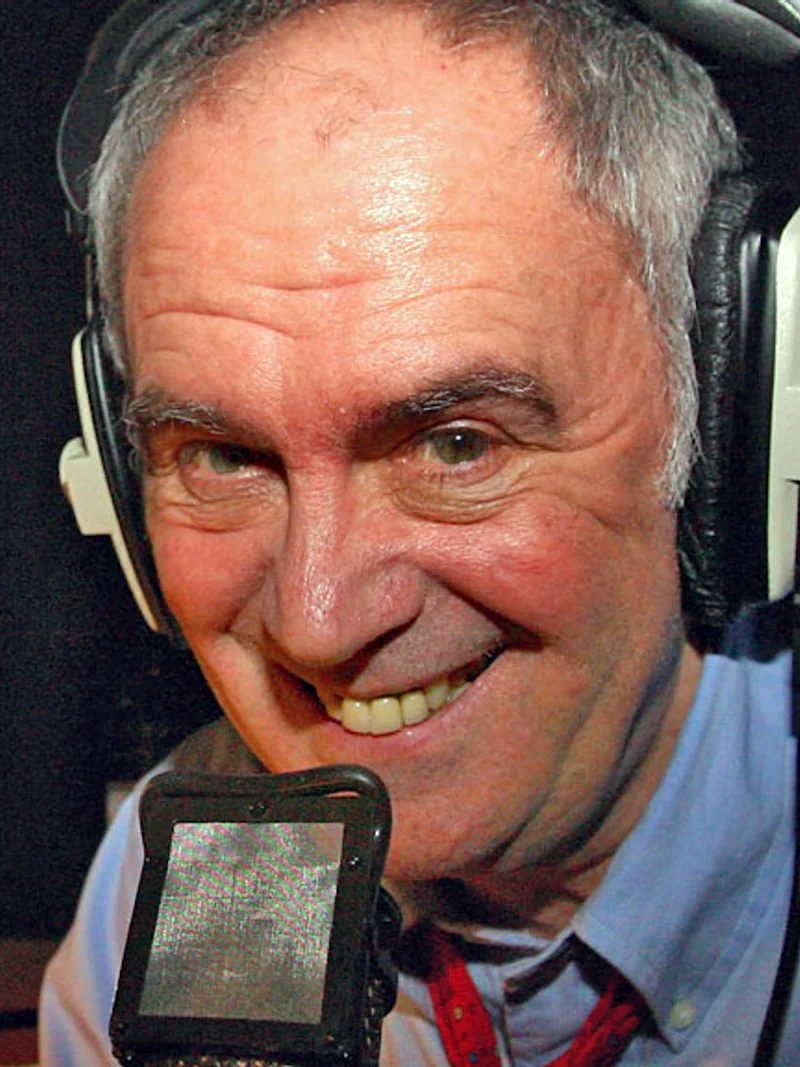
Attr: Darts News | Sky Sports
| 15 Quotes | |
| Occup. | Entertainer |
| From | United Kingdom |
| Born | August 10, 1940 Alnwick, Northumberland, England |
| Died | August 11, 2012 Harrogate, North Yorkshire, England |
| Aged | 72 years |
| Cite | |
Citation Formats
APA Style (7th ed.)
Sid waddell biography, facts and quotes. (2026, February 11). FixQuotes. https://fixquotes.com/authors/sid-waddell/
Chicago Style
"Sid Waddell biography, facts and quotes." FixQuotes. February 11, 2026. https://fixquotes.com/authors/sid-waddell/.
MLA Style (9th ed.)
"Sid Waddell biography, facts and quotes." FixQuotes, 11 Feb. 2026, https://fixquotes.com/authors/sid-waddell/. Accessed 12 Feb. 2026.
Early Life and Background
Sid Waddell was born on 10 August 1940 in Newcastle upon Tyne, England, into a city shaped by shipyards, coal, and the blunt comedy of survival. Wartime austerity and postwar rebuilding formed the backdrop to his ear for cadence - the Geordie gift for story and punchline that can turn hardship into performance without denying it. His later broadcasting persona, exuberant and bookish at once, was rooted in that North East tradition where wit is both shield and invitation.He grew into adulthood as Britain shifted from deference to satire, from heavy industry to television, and from local identities to mass culture. Waddell carried those transitions inside him: a serious reader with a showman streak, a political animal who nonetheless loved the unruly democracy of sport. The tension between intellect and entertainment became his signature, and it helped him talk to multiple Britains at once - the pub and the university seminar, the terraces and the studio.
Education and Formative Influences
Waddell studied at Cambridge University, where he read modern languages and absorbed the habits of close reading, rhetoric, and quotation that later made his commentary sound unlike anyone else in sports television. Cambridge sharpened his sense that language was action - that a line could change a room - while the era around him, marked by the rise of television, the counterculture, and political argument, encouraged him to treat popular entertainment as a serious arena. His influences ranged from classical allusion and British comic timing to the immediacy of live broadcasting, where a fast mind is the only safety net.Career, Major Works, and Turning Points
Before becoming a household voice, Waddell worked in journalism and political communications, including a period as a press officer for the Labour Party, which trained him in messaging, improvisation, and reading the emotional weather of a crowd. He moved into television and sports coverage, and by the late 1980s and 1990s he had become the defining commentator of televised darts, first notably through ITV and then, most famously, on Sky Sports during the sport's modern boom. The PDC era turned darts into an arena spectacle, and Waddell became its bard: his live, high-wire metaphors and classical references made 180s and match darts feel like epic theatre. His work culminated in a persona that was part ringmaster, part poet, helping convert a niche pastime into appointment viewing. He died on 11 August 2012, one day after his 72nd birthday, after illness, leaving behind a distinctively British model of sporting entertainment.Philosophy, Style, and Themes
Waddell's inner life was powered by a hunger to connect intellect with joy. He treated the darts stage as a miniature world, where pride, nerves, swagger, and redemption played out under hot lights. That is why his metaphors often reached for the mythic and the biblical - not to show off, but to translate pressure into a story everyone could feel. When a player surged from the brink, he could make the moment instantly legible: "That's the greatest comeback since Lazarus". The joke lands because it contains a belief - that sport is a secular form of resurrection, a place where the self can be remade in public.His style was maximalist but controlled, built from rhythm, surprise, and a performer's instinct for the exact second a crowd is ready to laugh or gasp. He elevated the ordinary without mocking it, insisting that brilliance can happen in any venue if the stakes feel real: "There's only one word for that - magic darts!" Under the fireworks was a persistent theme of ambition and its costs; he loved winners, but he also understood the loneliness of conquest and the cruelty of expectation, which is why his most famous classical flights hit like psychological portraits as much as punchlines: "When Alexander of Macedon was 33, he cried salt tears because there were no more worlds to conquer. Eric Bristow is only 27". Waddell's wit worked as empathy - a way of honoring concentration, fear, and nerve by giving them language large enough to match the moment.
Legacy and Influence
Waddell's enduring influence lies in how he changed the sound of televised sport. He proved that commentary could be literary without being aloof, and comic without being disposable, and his lines became part of darts folklore quoted by fans who may not remember the full match but remember the feeling. Broadcasters after him borrowed his permission to be vivid, to be weird, to let erudition and working-class humor share the same breath. For darts in particular, he helped build the modern mythos - turning players into characters, matches into narratives, and a pub game into prime-time drama - and his voice remains a benchmark for anyone trying to make live sport feel like an event rather than a score.Our collection contains 15 quotes written by Sid, under the main topics: Witty One-Liners - Motivational - Puns & Wordplay - Dark Humor - Sarcastic.