
Simon Raven Biography Quotes 8 Report mistakes
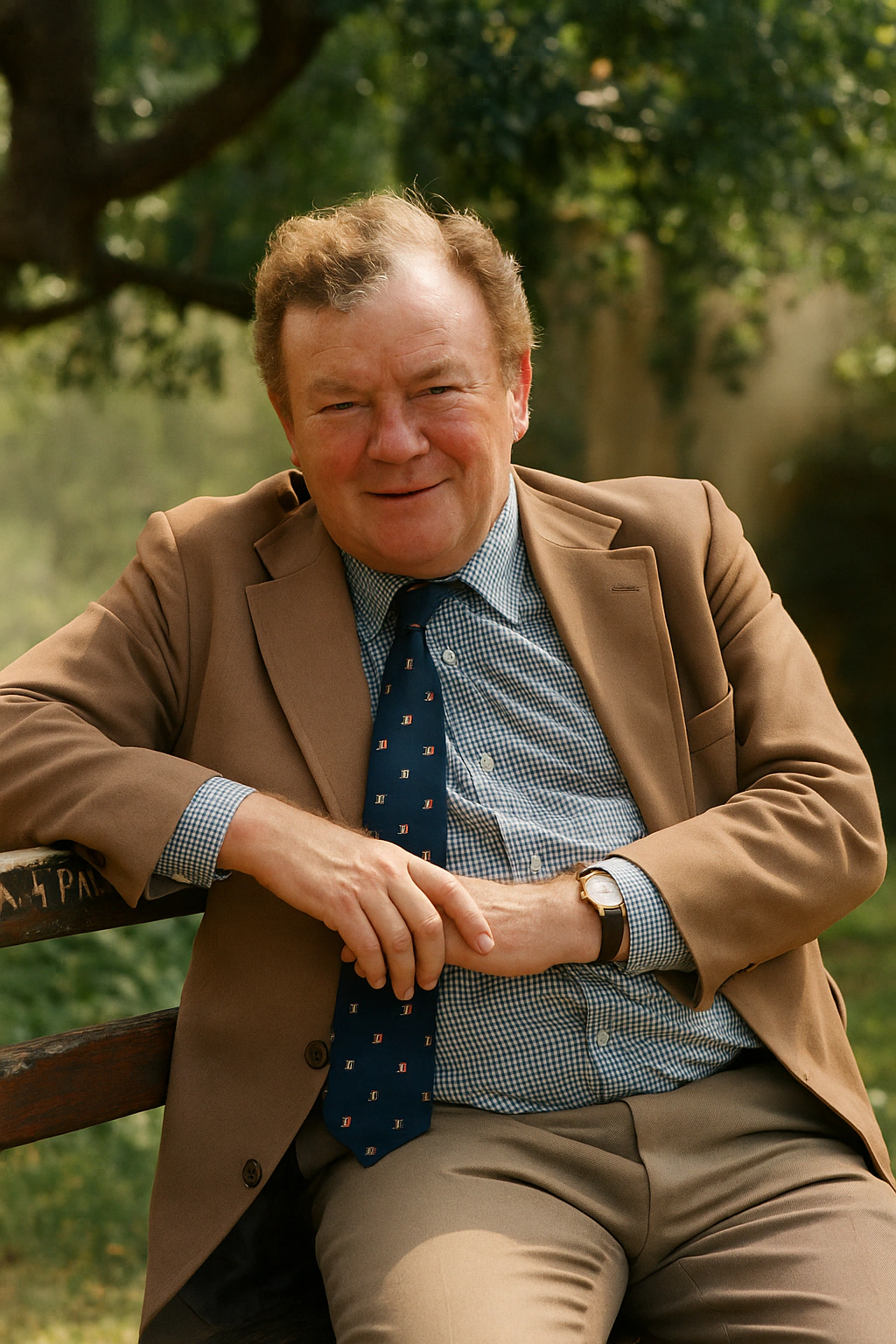
| 8 Quotes | |
| Born as | Simon Arthur Noël Raven |
| Occup. | Novelist |
| From | United Kingdom |
| Born | December 28, 1927 London, England, United Kingdom |
| Died | May 12, 2001 London, England |
| Aged | 73 years |
| Cite | |
Citation Formats
APA Style (7th ed.)
Simon raven biography, facts and quotes. (2026, February 28). FixQuotes. https://fixquotes.com/authors/simon-raven/
Chicago Style
"Simon Raven biography, facts and quotes." FixQuotes. February 28, 2026. https://fixquotes.com/authors/simon-raven/.
MLA Style (9th ed.)
"Simon Raven biography, facts and quotes." FixQuotes, 28 Feb. 2026, https://fixquotes.com/authors/simon-raven/. Accessed 6 Mar. 2026.
Early Life and Background
Simon Arthur Noel Raven was born on December 28, 1927, in London, into the English upper-middle-class world that would become both his subject and his wound. He grew up between the last afterglow of interwar privilege and the hard leveling of wartime Britain, watching manners, money, and status renegotiate their meanings under rationing, austerity, and the slow decline of unquestioned deference. That double vision - insider by birth, skeptic by temperament - later gave his fiction its signature chill: the sense that comfort is never innocent and that elegance can be a method of concealment.As a young man he moved through institutions that promised shape and purpose - public school, Oxford, the Army - yet he carried a corrosive self-awareness, part shame, part theatrical defiance. Raven learned early how easily charm can be used as a social solvent and how quickly it curdles into exposure. The result was a life lived in a high wire balance between belonging and exclusion, with an appetite for risk, pleasure, and confession that would eventually feed his memoirs as much as his novels.
Education and Formative Influences
Raven read Classics at King's College, Cambridge, after school and wartime adolescence had already taught him the practical grammar of class. Cambridge gave him the idiom of cultivated intelligence and the social freedoms of the late 1940s, a milieu in which discreet transgression often coexisted with traditional polish. The literary inheritance he absorbed - classical satire, English comedy of manners, and the cool exactitudes of postwar realism - was less a program than a toolkit for anatomizing hypocrisy. His sensibility was sharpened by the gap between intellectual prestige and personal discipline, and by the awareness that his generation's promised roles were loosening even as its accents remained authoritative.Career, Major Works, and Turning Points
After Cambridge Raven served as an officer in the British Army, experience he later mined for both satire and ambivalence, before turning decisively to writing and journalism. He became best known for the sequence of novels published from the mid-1960s into the 1970s - the Alms for Oblivion cycle, often singled out for its panoramic depiction of English life from the war through the permissive era, and for its unsparing treatment of sexuality, ambition, and moral evasions among the well-born. Alongside the novels he wrote criticism, memoir, and diaries, cultivating a public persona of incisive candor that both attracted readers and kept him at a wary distance from respectable literary pieties. His later years were productive but marked by the costs of a life lived at tempo - financial strain, health trouble, and a continuing insistence on telling the truth in a tone that refused consolation; he died on May 12, 2001.Philosophy, Style, and Themes
Raven's work is animated by a forensic curiosity about how private appetite collides with public role. He wrote from inside the codes of the English gentleman while chronicling their fraying after 1945, when old assurances met welfare-state modernity, Americanized culture, and the rising authority of the "ordinary". He stated his central project plainly: “I wanted to look at the upper-middle-class scene since the war, and in particular my generation's part in it. We had spent our early years as privileged members of a privileged class. How were we faring in the Age of the Common Man? How ought we to be faring?” In the novels, that question becomes a moral stress test, exposing the ways privilege survives by adapting its language - turning responsibility into style, and guilt into wit.His prose is clipped, exact, and socially fluent, with a satirist's ear for what is not said. Under the surface polish lies a psychology of divided loyalties: yearning for institutions that promise order, and resentment at their demands. That split is captured in his remark, “I loved the Army as an institution and loathed every single thing it required me to do”. It is also captured in his self-indicting tally of expulsion and disgrace: “And so, at the age of thirty, I had successively disgraced myself with three fine institutions, each of which had made me free of its full and rich resources, had trained me with skill and patience, and had shown me nothing but forbearance and charity when I failed in trust”. Raven's recurring themes - complicity, betrayal, sexual candor, and the price of charm - are not posed as abstract dilemmas but as lived negotiations, where conscience is often less powerful than habit, and where the past is a creditor that always collects.
Legacy and Influence
Raven endures as one of the most penetrating chroniclers of Britain's postwar governing class in its passage from certainty to improvisation. The Alms for Oblivion novels, in particular, remain a rich record of how prestige operates when it can no longer rely on unquestioned authority, and how the language of decency can coexist with private cruelty and self-deception. His influence is felt in later British fiction that treats class not as scenery but as psychology - an internalized script shaping desire, shame, and the performance of virtue. If his tone can feel ruthless, it is because he refused to pretend that social grace equals moral grace, and because he wrote as someone who knew the seductions of the world he dissected, and never fully pretended to have escaped it.Our collection contains 8 quotes written by Simon, under the main topics: Art - Sarcastic - Freedom - Failure - Equality.
Frequently Asked Questions
- Simon Raven Sound the retreat: A 1971 novel in his Alms for Oblivion series, set around the British Army in post-war India.
- Adam Raven: Simon Raven’s son.
- Simon Raven books: Notable works include the Alms for Oblivion sequence and its sequel The First-Born of Egypt, plus novels like Doctors Wear Scarlet and The Feathers of Death.
- How old was Simon Raven? He became 73 years old
Source / external links