
Stanley Kubrick Biography Quotes 18 Report mistakes
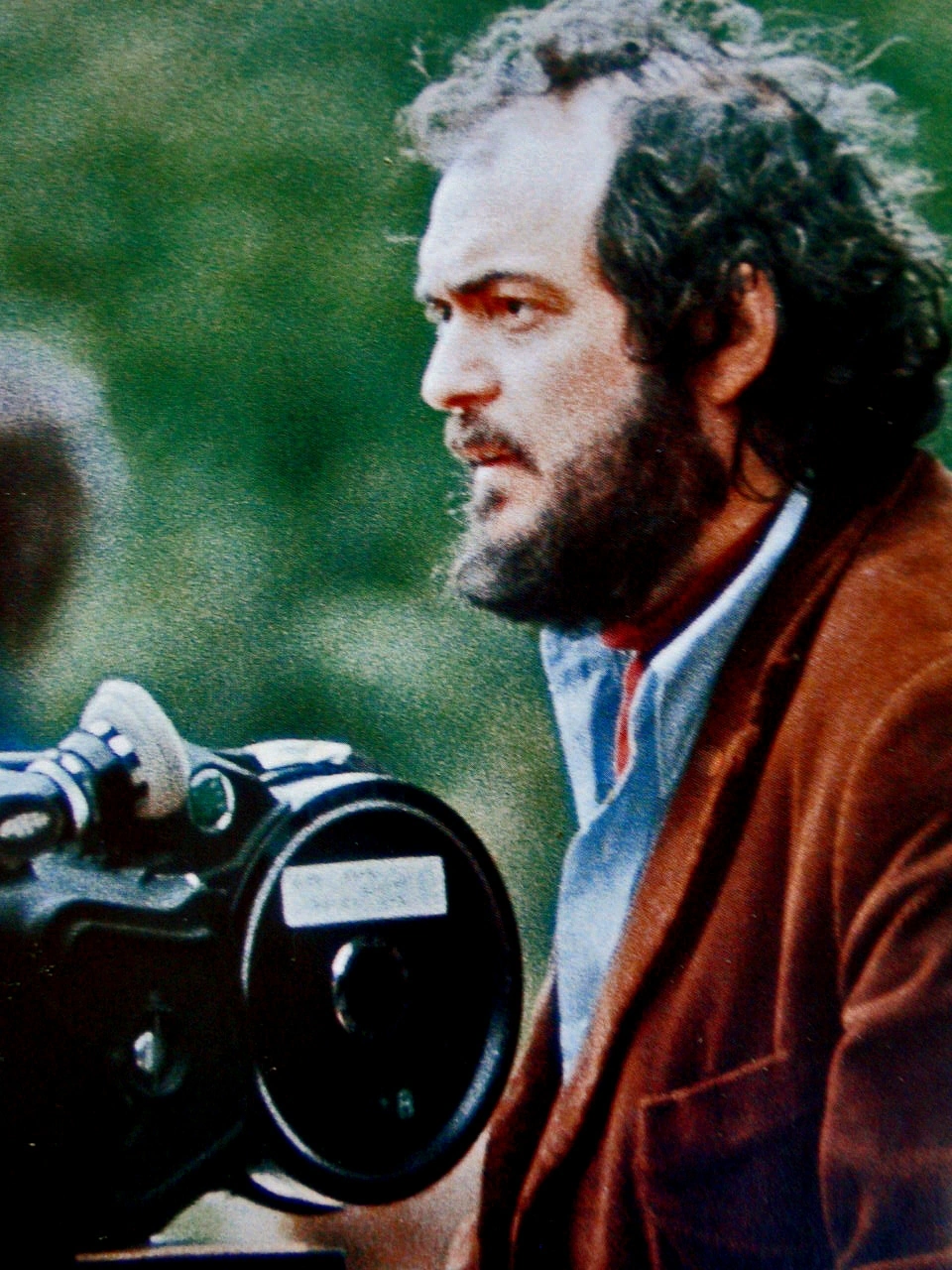
| 18 Quotes | |
| Occup. | Director |
| From | USA |
| Born | July 26, 1928 Manhattan, New York, United States |
| Died | March 7, 1999 Harpenden, Hertfordshire, England, United Kingdom |
| Cause | Heart attack |
| Aged | 70 years |
| Cite | |
Citation Formats
APA Style (7th ed.)
Stanley kubrick biography, facts and quotes. (2026, February 11). FixQuotes. https://fixquotes.com/authors/stanley-kubrick/
Chicago Style
"Stanley Kubrick biography, facts and quotes." FixQuotes. February 11, 2026. https://fixquotes.com/authors/stanley-kubrick/.
MLA Style (9th ed.)
"Stanley Kubrick biography, facts and quotes." FixQuotes, 11 Feb. 2026, https://fixquotes.com/authors/stanley-kubrick/. Accessed 5 Mar. 2026.
Early Life and Background
Stanley Kubrick was born on July 26, 1928, in the Bronx, New York City, into a Jewish family shaped by the striving, polyglot city between the Depression and the Second World War. His father, Jacques, a physician, gave him a chess set and later a camera, two gifts that fused into a temperament: analytical, solitary, and competitive, with an appetite for total control over variables. Kubrick grew up amid radio news, newsreels, and the visual grammar of wartime propaganda - early lessons in how images can turn fear, pride, and conformity into mass experience.As a teenager he gravitated toward Manhattan, soaking up movies and magazines, and he became known for intensity more than sociability. The Bronx of his youth offered both anonymity and pressure - a place where a private mind could harden. Friends recalled the chess-playing prodigy and the obsessive tinkerer; both implied a person who mistrusted rhetoric and preferred demonstration. That suspicion of easy stories would later become a hallmark of his cinema, where characters often discover that their own explanations are inadequate.
Education and Formative Influences
Kubrick attended William Howard Taft High School but was not a model student; his education came through self-directed immersion in images, music, and the habits of reportage. At seventeen he sold a photograph to Look magazine and soon became a staff photographer, roaming New York with the discipline of deadlines and the eye of a street observer. Look trained him to build narratives from fragments, to anticipate human behavior, and to frame faces under pressure - skills that migrated naturally into film, as did his early love of chess, which taught him to think several moves ahead and to accept that strategy often beats sentiment.Career, Major Works, and Turning Points
Kubrick moved from shorts to features with Fear and Desire (1953) and the noir-leaning Killer's Kiss (1955), then broke through with The Killing (1956), whose fractured time scheme announced his fascination with systems failing under stress. Paths of Glory (1957) turned the First World War into a moral machine, while Spartacus (1960) gave him studio scale but also convinced him to seek autonomy. He relocated to England, building a controlled production life that enabled radical shifts in genre: Lolita (1962), Dr. Strangelove (1964), 2001: A Space Odyssey (1968), A Clockwork Orange (1971), Barry Lyndon (1975), The Shining (1980), Full Metal Jacket (1987), and Eyes Wide Shut (released 1999). Across decades he became both craftsman and myth - notorious for long schedules, relentless retakes, and an editorial mind that treated cinema as engineering with souls caught inside.Philosophy, Style, and Themes
Kubrick distrusted the comfort of neat interpretation, and his films repeatedly stage the gap between what people say and what they are. He used symmetrical compositions, tracking shots, and coldly precise production design to make environments feel like experiments - hotels, ships, war rooms, barracks, drawing rooms - each with rules that seduce and crush. His emotional palette came as much from sound as dialogue, from the waltz in 2001 to the ironic pop in Vietnam, insisting that cinema works on the nervous system before it works on the intellect. “A film is - or should be - more like music than like fiction. It should be a progression of moods and feelings. The theme, what's behind the emotion, the meaning, all that comes later”. That commitment to mood served a darker inquiry: freedom inside systems. His characters crave choice yet collide with institutions, technology, libido, and ideology - forces that reduce ethics to procedure. In A Clockwork Orange, the terror is not only violence but the state-sponsored theft of agency: “When a man cannot choose, he ceases to be a man”. Kubrick also mocked the soothing power of cleverness - the way talk can anesthetize conscience - a view that colors Dr. Strangelove's fluent insanity and Full Metal Jacket's slogans: “If you can talk brilliantly about a problem, it can create the consoling illusion that it has been mastered”. The psychological through-line is a wary humanism: he believed people are capable of tenderness, but he filmed how quickly language, ritual, and technology turn tenderness into performance.Legacy and Influence
Kubrick died on March 7, 1999, in England, leaving behind a body of work that functions like a library of modern anxieties - nuclear error, dehumanized war, mechanized desire, class artifice, and cosmic indifference. His influence is technical (lens choices, lighting, sound-image counterpoint, meticulous editing) and structural (genre as philosophical laboratory), but also ethical: he forced audiences to sit with ambiguity rather than consume reassurance. Directors across continents cite him as a template for visual rigor and authorial control, while scholars treat his films as texts that keep changing under historical pressure. In the long run, Kubrick did not just make movies; he built enduring instruments for thinking and feeling in public, without pretending that feeling alone is wisdom.Our collection contains 18 quotes written by Stanley, under the main topics: Ethics & Morality - Wisdom - Justice - Love - Dark Humor.
Other people related to Stanley: Jack Nicholson (Actor), Shelley Duvall (Actress), Nicole Kidman (Actress), Herman Kahn (Scientist), Terry Southern (Writer), Michelangelo Antonioni (Director), David Prowse (Actor), Vincent D'Onofrio (Actor), Adam Baldwin (Actor), Jon Ronson (Journalist)
Source / external links