
Stephen Baker Biography Quotes 5 Report mistakes
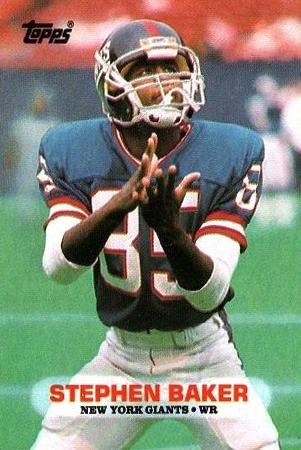
| 5 Quotes | |
| Born as | Stephen Edward Baker |
| Occup. | Athlete |
| From | USA |
| Born | August 30, 1964 San Antonio, Texas, U.S. |
| Age | 61 years |
| Cite | |
Citation Formats
APA Style (7th ed.)
Stephen baker biography, facts and quotes. (2026, February 11). FixQuotes. https://fixquotes.com/authors/stephen-baker/
Chicago Style
"Stephen Baker biography, facts and quotes." FixQuotes. February 11, 2026. https://fixquotes.com/authors/stephen-baker/.
MLA Style (9th ed.)
"Stephen Baker biography, facts and quotes." FixQuotes, 11 Feb. 2026, https://fixquotes.com/authors/stephen-baker/. Accessed 12 Feb. 2026.
Early Life and Background
Stephen Edward Baker is widely identified as having been born around 1964 in the United States, a period and place that shaped a generation of athletes through school-based sports and community leagues. Raised in an era when local fields, gyms, and after-school programs served as gateways to competition, he gravitated toward physical activity early. Family encouragement, especially from parents who valued persistence and accountability, set the tone for his approach to training and education. Teachers and physical education instructors nurtured his curiosity about movement, fitness, and teamwork, giving him a foundation that would support later ambitions in athletics.Formative Years in Sport
As a youth competitor, Baker absorbed the rhythms of practice and the discipline of repetition. An early coach emphasized fundamentals, balance, technique, and situational awareness, instilling habits he would rely on throughout his athletic life. Local mentors and older teammates modeled professionalism: arriving early, preparing carefully, and learning from both victory and defeat. Whether running drills on a field, refining footwork on a court, or honing speed and endurance on a track, he learned to turn effort into incremental improvements. Friends who trained alongside him became companions in the routine of early mornings and long afternoons, shaping a circle that reinforced consistency and humility.Education and Development
Balancing academics with sport, Baker gained a deeper understanding of preparation and time management. Guidance counselors and teachers helped him structure his days; athletic trainers introduced him to recovery, nutrition, and injury prevention. The science of performance, how sleep, diet, and mental focus influence results, became as important as the hours spent practicing. He sought constructive feedback, using it to refine mechanics, develop resilience, and learn to adjust under pressure. By late adolescence and into young adulthood, he had the poise to compete against more seasoned opponents, adopting a mature perspective: anticipate challenges, stay adaptable, and earn trust through reliability.Competitive Trajectory
Baker's athletic path evolved with the opportunities available to him. He competed in settings where teamwork, strategy, and situational decision-making were decisive, and where roles could shift to meet the needs of the moment. Coaches moved him between responsibilities, trusting his versatility. There were seasons of momentum and quiet stretches that demanded patience, and he approached both with steady focus. Athletic trainers and medical staff became important partners during periods of recovery, helping him return to form while minimizing risk. As competition intensified, he learned to analyze opponents more closely, study game or race plans, and adjust tactics in real time.People Around Him
The constellation of people around Stephen Edward Baker was central to his progress. His parents provided encouragement and guardrails, reminding him that character would outlast any transient result. A primary coach served as both teacher and strategist, bringing clarity to technical adjustments and building confidence through consistent communication. Teammates offered accountability as well as camaraderie, the shared grind of practice, the private language of a locker room, the willingness to put individual ambition in service of a group goal. Athletic trainers and strength coaches translated goals into individualized plans, while a guidance counselor or academic adviser ensured that obligations off the field or track were not neglected. In adulthood, a partner who understood the demands of training, and close friends who knew when to talk and when to listen, helped him maintain balance. These relationships anchored his routines and gave him perspective when results fluctuated.Mindset and Method
Baker internalized a methodical approach that prioritized preparation: set a measurable objective, break it into daily tasks, review progress, and adapt. He learned to tolerate discomfort in training and to respect recovery as part of the process, not an interruption. Visualization and film study (or their equivalents in his discipline) sharpened anticipation. He valued communication, clear feedback from coaches, honest dialogue with teammates, and self-assessment that was neither harsh nor complacent. Over time, he came to see that consistency, more than flashes of brilliance, is what builds a reputation among peers and earns trust in competitive environments.Transitions and Later Involvement
As the demands of elite training shifted or as injuries and life priorities evolved, Baker's role in sports expanded beyond personal competition. He contributed informally as a mentor, sharing practical insights with younger athletes about preparation, goal setting, and navigating setbacks. Community sports programs, clinics, or school teams benefitted from his presence at practices or events, where he emphasized fundamentals and the value of showing up. Colleagues appreciated his calm, process-oriented counsel; he understood that confidence grows from small wins, and he encouraged others to celebrate progress without losing sight of long-term aims. Whether in volunteer roles or more structured capacities, he helped create environments where discipline, empathy, and accountability coexisted.Personal Character and Values
Those who worked with Baker describe a grounded temperament and a readiness to learn. He viewed competition as a platform for personal growth, not merely a scoreboard. He prioritized fairness, respected officials and opponents, and tried to carry himself in a way that reflected well on his family and coaches. When recognition came, he accepted it as a reflection of collective effort; when criticism arrived, he treated it as data. The steady encouragement of relatives, the candor of a trusted coach, and the loyalty of teammates shaped his convictions about leadership: go first in difficult drills, listen before speaking, and credit others when plans succeed.Enduring Influence
Stephen Edward Baker's influence rests less on a single headline and more on a pattern of example. He modeled how to build a life around meaningful work, using sport as a framework for perseverance, humility, and service. The people closest to him, family members who gave early support, coaches who translated potential into performance, teammates who turned shared goals into shared memories, and friends who provided continuity beyond competitive seasons, form the throughline of his story. However the record of wins and losses is tallied, his legacy is the network of individuals he strengthened, the standards he upheld, and the habits he left behind for others to adopt, refine, and pass on.Our collection contains 5 quotes written by Stephen, under the main topics: Witty One-Liners - Parenting - Goal Setting - Technology.
Source / external links