
Stephen Covey Biography Quotes 42 Report mistakes
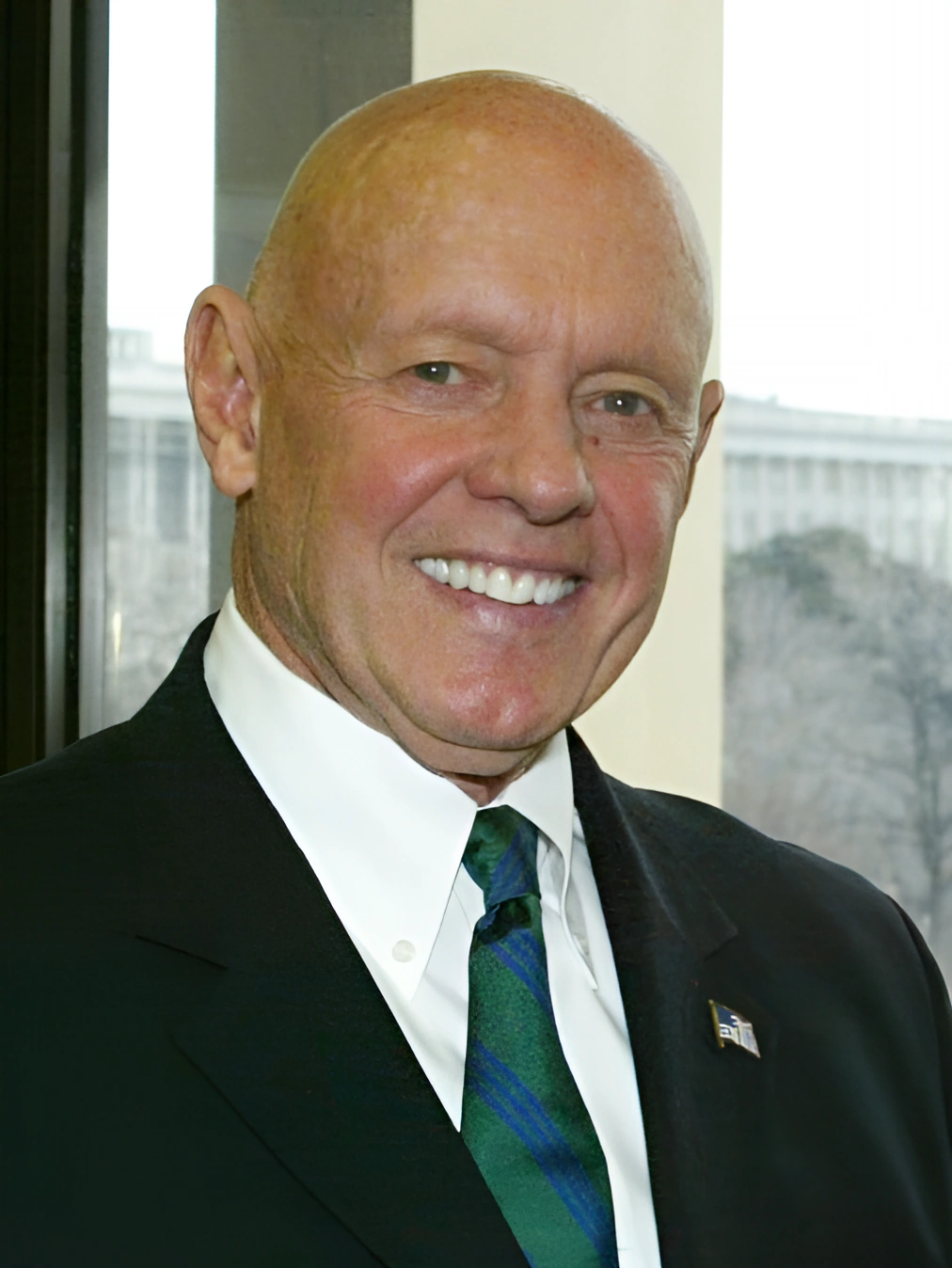
Attr: Neshan H. Naltchayan
| 42 Quotes | |
| Born as | Stephen Richards Covey |
| Known as | Stephen R. Covey |
| Occup. | Businessman |
| From | USA |
| Born | October 24, 1932 Salt Lake City, Utah |
| Died | July 16, 2012 |
| Aged | 79 years |
| Cite | |
Citation Formats
APA Style (7th ed.)
Stephen covey biography, facts and quotes. (2026, February 11). FixQuotes. https://fixquotes.com/authors/stephen-covey/
Chicago Style
"Stephen Covey biography, facts and quotes." FixQuotes. February 11, 2026. https://fixquotes.com/authors/stephen-covey/.
MLA Style (9th ed.)
"Stephen Covey biography, facts and quotes." FixQuotes, 11 Feb. 2026, https://fixquotes.com/authors/stephen-covey/. Accessed 5 Mar. 2026.
Early Life and Background
Stephen Richards Covey was born on October 24, 1932, in Salt Lake City, Utah, into a Latter-day Saint milieu that prized duty, community service, and moral self-scrutiny. That cultural environment - shaped by the Great Depression's aftershocks and the mobilizing certainties of World War II - offered a template for his lifelong preoccupation with character: private integrity as the engine of public effectiveness. He grew up watching institutional trust rise in wartime and then strain in the Cold War years, an arc that later colored his insistence that credibility is built from the inside out.A formative trial arrived early. As a boy he suffered a severe injury that left him on crutches for an extended period, forcing a slower, more observant childhood and a reliance on deliberate practice rather than effortless performance. The experience hardened a trait that would later become his brand of optimism - not sunny denial, but the conviction that disciplined inner choices can outlast circumstances. Friends and colleagues often noted the combination of warmth and intensity in him: a man capable of pastoral empathy while also thinking in systems, frameworks, and principles.
Education and Formative Influences
Covey studied business at the University of Utah and then pursued graduate work that bridged administration with moral philosophy, earning an MBA from Harvard Business School and a doctorate from Brigham Young University. In mid-century America, management education was increasingly quantitative, yet Covey gravitated to older sources - virtue ethics, religious teachings, and the self-help tradition - and tried to reconcile them with modern organizations. The tensions of the era (postwar corporate expansion, the civil rights movement, Vietnam-era distrust of authority) helped convince him that technique without trust collapses, and that leadership required a language of principle robust enough to survive cultural churn.Career, Major Works, and Turning Points
After teaching and consulting, Covey emerged as a national figure with The 7 Habits of Highly Effective People (1989), a book that reframed self-improvement as a move from personality tactics to character-based principles, and became one of the most influential business texts of the late 20th century. He built an institution around those ideas, co-founding what became FranklinCovey after a merger, and carried his message into boardrooms, governments, and schools through speaking and training. Later works expanded the architecture: Principle-Centered Leadership (1991) and The 7 Habits of Highly Effective Families (1997) brought the model into organizations and homes; The 8th Habit (2004) responded to a knowledge-economy workforce seeking meaning and voice; The Speed of Trust (2006), written with his son Stephen M. R. Covey, translated moral credibility into an operational advantage. A serious bicycle accident in 2012 preceded his death on July 16, 2012, in Idaho Falls, Idaho, closing a career that had turned a private ethic into a global management vernacular.Philosophy, Style, and Themes
Covey's core claim was psychological as much as managerial: the self is not fixed, and lasting change comes from aligning daily behavior with stable principles. He treated habits as the interface between inner life and outer results, arguing that small, repeated choices eventually harden into identity - the reason his programs felt less like motivation and more like moral training. His style combined sermonlike cadence with clean diagrams: "paradigm shifts", quadrants, and step-by-step practices that made conscience feel actionable. Behind the frameworks lay an anxious awareness of modern fragmentation - people busy, distracted, and alienated from what they say they value.His most quoted lines reveal the mental discipline he tried to teach. “The main thing is to keep the main thing the main thing”. is not a slogan about busyness; it is a method for protecting the inner hierarchy of values against the seductions of urgency. “Our character is basically a composite of our habits. Because they are consistent, often unconcious patterns, they constantly, daily, express our character”. shows his psychological realism: the self is not what we intend but what we rehearse. And “Most people do not listen with the intent to understand; they listen with the intent to reply”. exposes a relational diagnosis - that ego, not ignorance, blocks connection - and explains why he made empathic communication a pillar of effectiveness. In these themes, productivity becomes a spiritual project: attention, integrity, and empathy as the levers of influence.
Legacy and Influence
Covey left an enduring imprint on leadership education by re-centering it on trust, purpose, and personal responsibility at a time when business culture often favored short-term performance and technique. The 7 Habits entered schools, corporate onboarding, military training, and public-sector workshops, shaping a shared vocabulary of proactivity, prioritization, and win-win thinking. Critics have argued his principles can be packaged too neatly for complex realities, yet his influence persists because he addressed an abiding modern hunger: a way to connect ambition with conscience, and to make the invisible work of character legible in daily practice.Our collection contains 42 quotes written by Stephen, under the main topics: Motivational - Wisdom - Leadership - Freedom - Change.
Other people related to Stephen: Sydney Madwed (Businessman)
Stephen Covey Famous Works
- 2004 The 8th Habit: From Effectiveness to Greatness (Book)
- 1997 The 7 Habits of Highly Effective Families (Book)
- 1994 First Things First (Book)
- 1991 Principle-Centered Leadership (Book)
- 1989 The 7 Habits of Highly Effective People (Book)
Source / external links