
Steven Jesse Bernstein Biography Quotes 1 Report mistakes
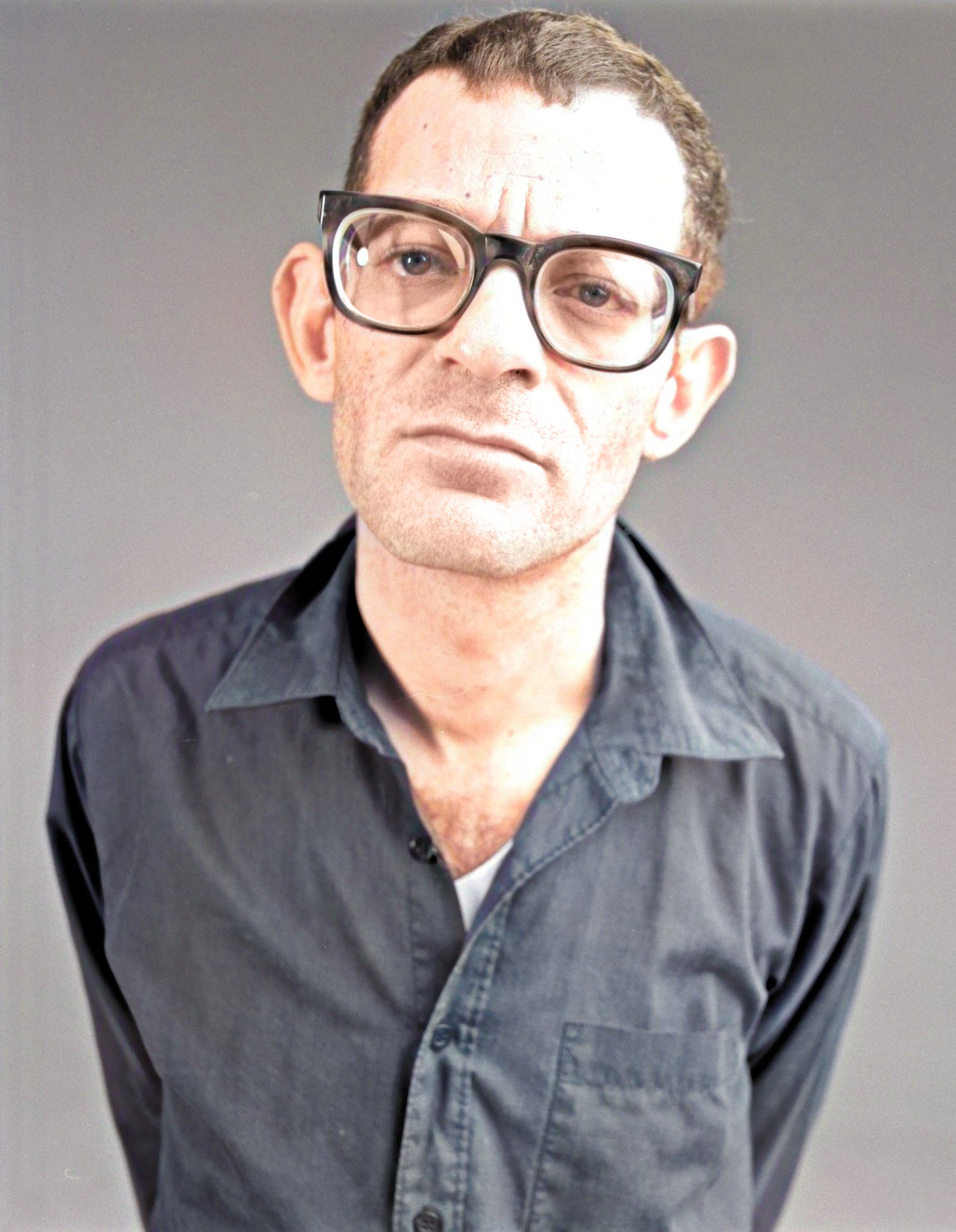
| 1 Quotes | |
| Born as | Steven Jay Bernstein |
| Occup. | Writer |
| From | USA |
| Born | December 4, 1950 Los Angeles, California, USA |
| Died | October 22, 1991 |
| Aged | 40 years |
| Cite | |
Citation Formats
APA Style (7th ed.)
Steven jesse bernstein biography, facts and quotes. (2026, February 11). FixQuotes. https://fixquotes.com/authors/steven-jesse-bernstein/
Chicago Style
"Steven Jesse Bernstein biography, facts and quotes." FixQuotes. February 11, 2026. https://fixquotes.com/authors/steven-jesse-bernstein/.
MLA Style (9th ed.)
"Steven Jesse Bernstein biography, facts and quotes." FixQuotes, 11 Feb. 2026, https://fixquotes.com/authors/steven-jesse-bernstein/. Accessed 25 Mar. 2026.
Early Life and Background
Steven Jesse Bernstein, born Steven Jay Bernstein on December 4, 1950, in California, came of age in an America where postwar confidence was cracking into televised war, suburban drift, and a new vocabulary of drugs and dissent. He spent his early years inside that collision: bright, volatile, and already leaning toward performance as a way to turn private pressure into public form. The West Coast counterculture was not an abstract backdrop but an atmosphere - one in which poetry could be shouted, sung, or staged, and where the boundary between confession and theater was porous.From early on, Bernstein presented as a writer whose inner life ran hot: humor as armor, rage as fuel, and an acute sensitivity to bodies in space - falling, stumbling, overheated, electrified. Friends and later collaborators recalled him as both charismatic and difficult, capable of tenderness one moment and abrasive intensity the next. Those contradictions - the need to be seen and the fear of being trapped by that gaze - would become central to the work he later made in the performance-poetry circuits of the 1970s and 1980s.
Education and Formative Influences
Bernstein was shaped less by credentialed literary training than by the underground institutions of his era: readings, small presses, late-night radio, and the evolving performance scene that ran from coffeehouses to art spaces. He absorbed the cadences of American talk - stand-up rhythm, street argument, barroom confession - while also drawing from the post-Beat lineage and the emerging punk sensibility that prized speed, confrontation, and refusal of polish. The cultural weather of Vietnam, Watergate, and the widening public conversation about mental health and addiction fed his sense that the self was both a social product and a battleground.Career, Major Works, and Turning Points
By the late 1970s and into the 1980s, Bernstein became known as a poet and writer whose natural medium was the room - the charged space between performer and audience. He was associated with the Los Angeles-area scene that supported hybrid work: part poem, part monologue, part ritualized breakdown, delivered with comic timing and a willingness to make discomfort productive. His best-known book, Gods, Ghosts, and Bowling (1989), gathered poems that had already lived as performances, preserving their nervous energy on the page while hinting at what print cannot fully carry: voice, breath, the threat of improvisation. As his reputation grew, so did the sense that his art was inseparable from risk - emotional, interpersonal, and physical - and that each reading could be a turning point, either a breakthrough of connection or a rehearsal of collapse. He died on October 22, 1991, in the United States, a loss that froze his career at the moment when broader recognition seemed possible.Philosophy, Style, and Themes
Bernstein wrote as if consciousness were a live wire. His work repeatedly returns to bodies under pressure - a mind accelerating, a heart skidding, a room tightening around a speaker. He treated everyday American life not as stable realism but as a hallucinatory set where the banal can suddenly turn menacing. The humor is not decorative; it is diagnostic, the laugh that proves someone is still breathing. His speakers often sound trapped between wanting absolution and refusing it, insisting on the right to be messy, contradictory, and unmanageable.The governing psychology is a sense of altered physics, as if ordinary rules no longer apply to the self. “My relationship to gravity is permanently altered”. Read as more than a surreal one-liner, it encapsulates his recurring intuition that descent is not just metaphorical - that personal history, addiction, and mental instability change how a person occupies space and time. Gravity becomes shame, memory, the pull of relapse, the social weight of being labeled. Yet Bernstein keeps trying to convert that pull into style: sudden turns, jagged leaps, and monologues that stage the mind arguing with its own impulses. The result is writing that does not soothe; it diagnoses, dramatizes, and dares the audience to recognize themselves in the spectacle of a man refusing to pretend he is stable.
Legacy and Influence
Bernstein endures as a key figure in late-20th-century American performance poetry, part of the bridge between post-Beat readings and later spoken-word cultures that valued immediacy, narrative voltage, and the courage to be unguarded. Gods, Ghosts, and Bowling remains a touchstone for readers drawn to work that is funny in the way panic can be funny, and compassionate in the way confession can be compassionate. His influence is felt less as a school than as permission: to write from the edge without romanticizing it, to treat the stage as a literary instrument, and to admit that the self is not a coherent essay but an event.Our collection contains 1 quotes written by Steven, under the main topics: Witty One-Liners.
Steven Jesse Bernstein Famous Works
- 2010 I Am Secretly an Important Man (Film)
- 1992 Prison (Poetry Collection)
Source / external links