
Swami Sivananda Biography Quotes 30 Report mistakes
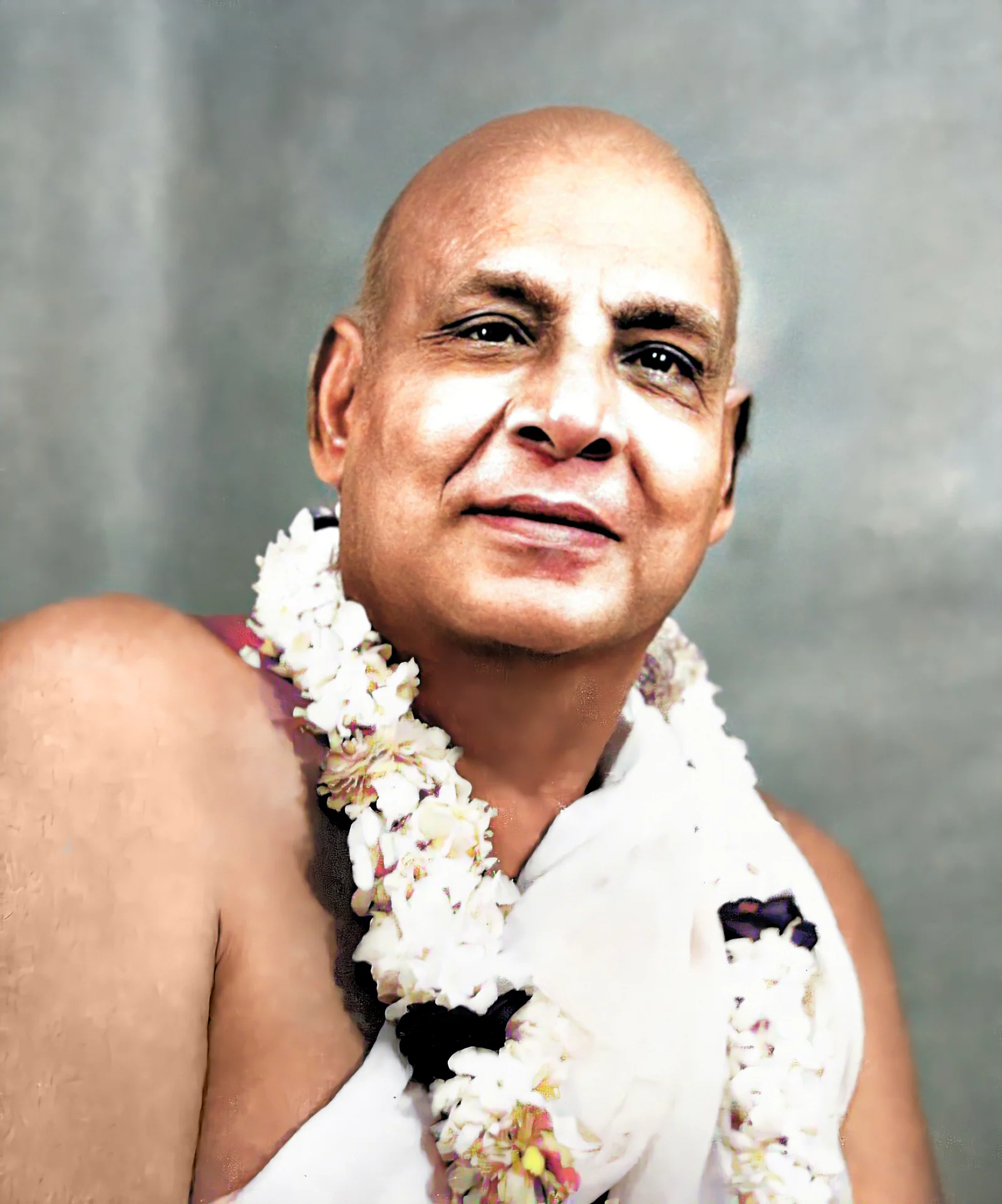
| 30 Quotes | |
| Born as | Kuppuswami |
| Known as | Sivananda |
| Occup. | Philosopher |
| From | India |
| Born | September 8, 1887 Pattamadai, Tamil Nadu, India |
| Died | July 14, 1963 Rishikesh |
| Aged | 75 years |
| Cite | |
Citation Formats
APA Style (7th ed.)
Swami sivananda biography, facts and quotes. (2026, February 2). FixQuotes. https://fixquotes.com/authors/swami-sivananda/
Chicago Style
"Swami Sivananda biography, facts and quotes." FixQuotes. February 2, 2026. https://fixquotes.com/authors/swami-sivananda/.
MLA Style (9th ed.)
"Swami Sivananda biography, facts and quotes." FixQuotes, 2 Feb. 2026, https://fixquotes.com/authors/swami-sivananda/. Accessed 26 Mar. 2026.
Early Life and Background
Swami Sivananda was born Kuppuswami on 1887-09-08 in Pattamadai, near Tirunelveli in the Madras Presidency (now Tamil Nadu), into a South Indian Brahmin household shaped by temple culture, classical learning, and the practical demands of late-colonial India. The region was religiously dense and socially stratified, yet also porous to reform movements and modern professions; a young man could move from Sanskritic ritual life to English education, from village piety to the global circuits of empire.From early on, his temperament combined compassion with an organizer's clarity. Accounts of his youth emphasize generosity and an instinct to relieve suffering, traits that later became the moral spine of his teaching. The fin-de-siecle South he grew up in was also a landscape of epidemics, poverty, and rapid institutional change, and he absorbed the era's pressing question: how to reconcile inward liberation with outward service in a world of visible pain.
Education and Formative Influences
He trained in modern medicine, studying at T.M. (Tirunelveli Medical) School and later working as a physician, a path that placed him within the British Indian administrative world and its faith in rational technique. Yet his inner education ran alongside the formal one: the Bhagavad Gita, the Upanishads, and the devotional languages of Tamil and Sanskrit formed a parallel curriculum, while the emergent "practical Vedanta" ethos in India offered a template for fusing ethics, discipline, and universalism. The clinical habit of observation and the spiritual habit of self-inquiry did not conflict in him; they prepared him to speak to both bodily distress and metaphysical hunger.Career, Major Works, and Turning Points
In the early 1910s he worked in British Malaya, notably in Kuala Lumpur, gaining a reputation as a capable and charitable doctor. The decisive turning came in 1923 when he left medical life for the Himalayas, settling in Rishikesh on the Ganga and receiving initiation from Swami Vishvananda Saraswati; he later took sannyasa and the name Sivananda. After years of intense sadhana and quiet service, he built institutions that made his synthesis durable: the Divine Life Society (1936), a publishing and training engine that produced an enormous library of manuals on yoga, Vedanta, japa, and ethical living; and the Sivananda Ayurvedic Pharmacy and charitable activities that kept compassion practical. His ashram became a hub for seekers from India and abroad, and among his many students was Swami Chidananda; his teachings were also systematized internationally by disciples such as Swami Vishnudevananda. By the time of his death on 1963-07-14, he had helped define the 20th-century idiom of "integral yoga" as a mass pedagogy without severing it from ascetic seriousness.Philosophy, Style, and Themes
Sivananda's inner life was animated by a paradox he never tried to dissolve: renunciation as the most active form of love. His core message was a workable Advaita Vedanta - the Self is one - expressed through a fourfold discipline: serve, love, give, purify, meditate, realize. He treated spirituality as training rather than mood, and his prose reflects that: short imperatives, checklists, slogans, and step-by-step routines meant to outlast inspiration. The psychological aim was steadiness, not drama; “The real spiritual progress of the aspirant is measured by the extent to which he achieves inner tranquility”. In his view, tranquility was not passivity but the mind's capacity to stop being commandeered by reflex, fear, and craving.His realism about the mind could be stern, even athletic. He framed liberation as a demand for endurance: “The harder the struggle, the more glorious the triumph. Self-realization demands very great struggle”. Yet he insisted that the struggle must be softened by ethical refinement, because pride and resentment sabotage contemplation. His counsel on injury and memory is revealingly concrete - he understood how grievance colonizes attention and becomes identity: “Forget like a child any injury done by somebody immediately. Never keep it in the heart. It kindles hatred”. The inner life he describes is therefore not escapist; it is diagnostic, focused on micro-habits of thought that either widen the heart into universality or narrow it into repetition.
Legacy and Influence
Sivananda's enduring influence lies in how he made classical yoga and Vedanta legible to modern schedules without hollowing them into mere self-help. Through the Divine Life Society's books, magazines, correspondence courses, and visiting teachers, his voice reached far beyond Rishikesh, helping shape the global vocabulary of ashram life, seva, and integrated practice. In an era marked by nationalism, war, and modernization, he offered a different kind of confidence: that disciplined inner work and compassionate action could be mutually reinforcing, and that holiness could be taught in plain language. His legacy persists in institutions, lineages, and the everyday spiritual routines of readers who still find in his blunt kindness a map from restlessness to steadiness.Our collection contains 30 quotes written by Swami, under the main topics: Ethics & Morality - Truth - Wisdom - Meaning of Life - Live in the Moment.
Swami Sivananda Famous Works
- 1960 Bliss Divine (Book)
- 1960 Mind: Its Mysteries and Control (Book)
- 1958 Practice of Yoga (Book)
- 1958 Autobiography of Swami Sivananda (Book)
- 1957 All About Hinduism (Book)
- 1934 Brahmacharya (Book)
Source / external links