
Sydney J. Harris Biography Quotes 37 Report mistakes
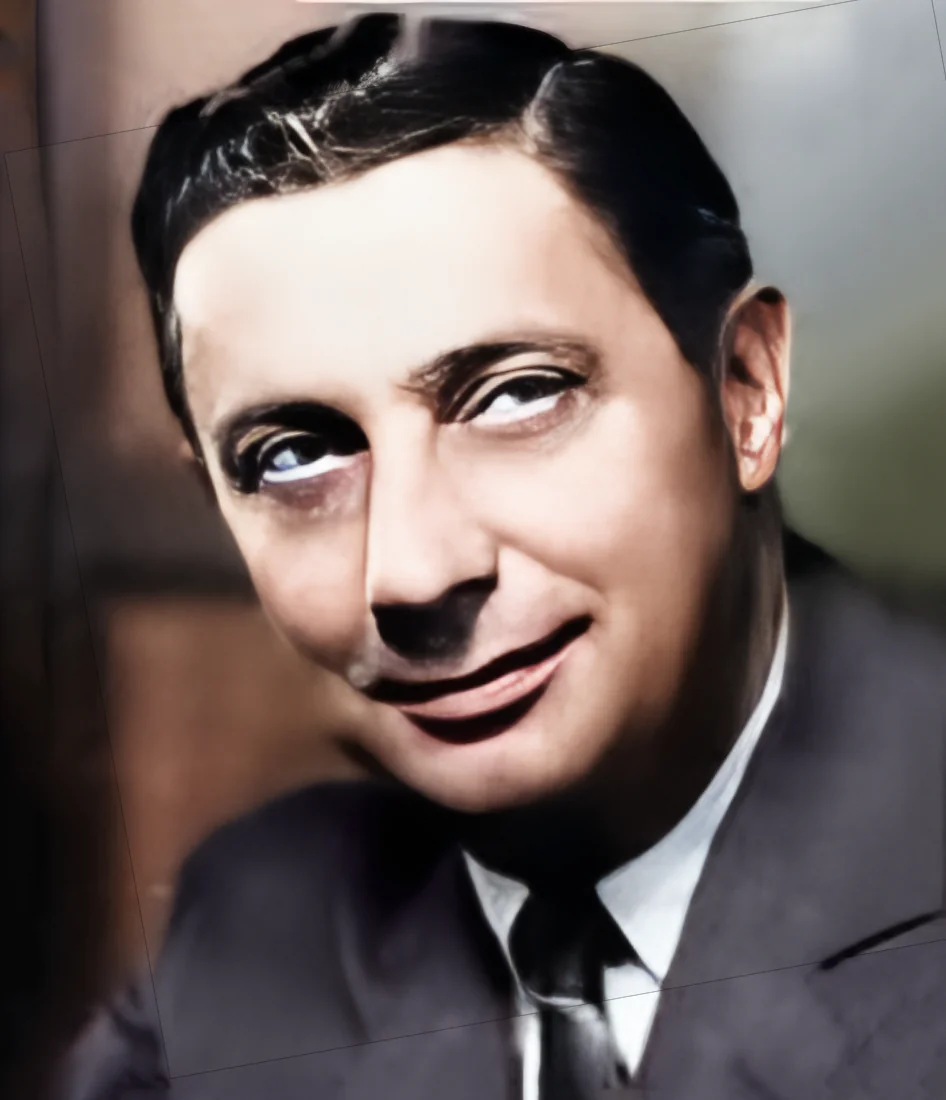
| 37 Quotes | |
| Born as | Sydney Justin Harris |
| Occup. | Journalist |
| From | USA |
| Born | September 14, 1917 London, England, UK |
| Died | December 8, 1986 Chicago, Illinois, USA |
| Aged | 69 years |
| Cite | |
Citation Formats
APA Style (7th ed.)
Sydney j. harris biography, facts and quotes. (2026, February 11). FixQuotes. https://fixquotes.com/authors/sydney-j-harris/
Chicago Style
"Sydney J. Harris biography, facts and quotes." FixQuotes. February 11, 2026. https://fixquotes.com/authors/sydney-j-harris/.
MLA Style (9th ed.)
"Sydney J. Harris biography, facts and quotes." FixQuotes, 11 Feb. 2026, https://fixquotes.com/authors/sydney-j-harris/. Accessed 6 Mar. 2026.
Early Life and Background
Sydney Justin Harris was born on September 14, 1917, in the United States, into the crowded moral weather of the early 20th century - an era of mass immigration, hardening urban politics, and, soon, the Great Depression. He came of age when public language was turning into an instrument: slogans on one side, propaganda on the other, and daily newspapers in the middle trying to keep a democratic public informed without being stampeded. From the beginning, Harris would treat journalism less as a trade than as a civic discipline - a way to test what people said they believed against what they were willing to think through.The Depression and the approach of World War II shaped his inner stakes: the sense that institutions can fail, that certainty can be purchased cheaply, and that a society can drift into brutality simply by refusing the labor of reflection. Harris became fascinated by how ordinary people talk themselves into intellectual laziness - not villainy, but habit - and he developed the columnist's radar for the small evasions that later become public disasters. That temperament, more moral than partisan, would define his writing voice.
Education and Formative Influences
Harris studied at the University of Chicago, a setting famous for argument, close reading, and serious attention to first principles. The Chicago environment - with its insistence that ideas be faced in their strongest form - helped harden his suspicion of fashionable answers and his preference for questions that changed the questioner. He absorbed a tradition of civic humanism: the belief that a free society depends not only on rights and elections but on the inner equipment of citizens - patience, intellectual humility, and the ability to revise an opinion without humiliation.Career, Major Works, and Turning Points
He built his reputation as a journalist and syndicated columnist, writing the long-running column "Strictly Personal", most closely associated with the Chicago Daily News and later carried nationally. In an age when columnists were often expected to perform ideology, Harris developed a different contract with readers: he would not flatter them, but he would respect their intelligence. His essays ranged widely - politics, education, technology, religion, and everyday ethics - and many were gathered in book collections that kept his work in circulation beyond the daily paper. The turning point in his public standing was syndication itself, which turned a local Chicago voice into a national conscience, especially during the Cold War years when the fear of communism and the cult of "expertise" threatened to reduce public debate to slogans and compliance.Philosophy, Style, and Themes
Harris wrote like a man trying to keep his own mind honest in public. His style was aphoristic but not lazy: short sentences that carried a philosopher's pressure, usually ending in a twist that exposed a hidden assumption. He distrusted rhetoric that sounded like thought, and he treated language as a moral instrument - the medium through which citizens either meet reality or evade it. That is why he drew such a sharp line between data and understanding: “The two words 'information' and 'communication' are often used interchangeably, but they signify quite different things. Information is giving out; communication is getting through”. The psychology behind the line is revealing - Harris feared not ignorance itself but the soothing feeling of being informed, which can anesthetize the responsibility to actually grasp, argue, and act.His best themes were education, democratic citizenship, and the defense of complexity against the tyranny of simplification. For Harris, schooling was not credentialing but a conversion of attention and empathy - “The whole purpose of education is to turn mirrors into windows”. That sentence captures his private ethic: the self is not the proper endpoint of thought; it is the starting point that must be surpassed. He also anticipated the late-20th-century anxiety that tools can remake their users, warning that “The real danger is not that computers will begin to think like men, but that men will begin to think like computers”. In context, this was not anti-technology. It was a plea to defend the messy human capacities that machines do not model well: moral imagination, ambiguity, irony, and the willingness to live with unanswered questions.
Legacy and Influence
Harris died on December 8, 1986, leaving behind a body of work that continues to circulate because it speaks to recurring civic crises: the substitution of noise for argument, certainty for judgment, and information for wisdom. His influence is less institutional than temperamental - a model for the columnist as public thinker, skeptical of both parties and of the reader's own appetite for easy answers. In an age of accelerating media and algorithmic persuasion, his essays endure as training in intellectual self-defense: a reminder that democracy is not only a system of government but a daily practice of attention, humility, and honest speech.Our collection contains 37 quotes written by Sydney, under the main topics: Witty One-Liners - Wisdom - Justice - Learning - Life.
Frequently Asked Questions
- Sydney Harris Hockey: Sydney J. Harris is not linked to hockey, as he was a journalist known for his writings.
- Sydney Harris track: There is no record of Sydney J. Harris being associated with track sports.
- Sydney J Harris quotes education: Sydney J. Harris was renowned for insightful quotes on education, including, 'The whole purpose of education is to turn mirrors into windows.'
- Sydney Harris Basketball: No known connection between Sydney J. Harris and basketball.
- How old was Sydney J. Harris? He became 69 years old
Sydney J. Harris Famous Works
- 1986 Clearing the Ground (Book)
- 1982 Pieces of Eight (Book)
- 1972 For the Time Being (Book)
- 1969 On the Contrary (Book)
- 1961 Last Things First (Book)
Source / external links