
Sydney Schanberg Biography Quotes 20 Report mistakes
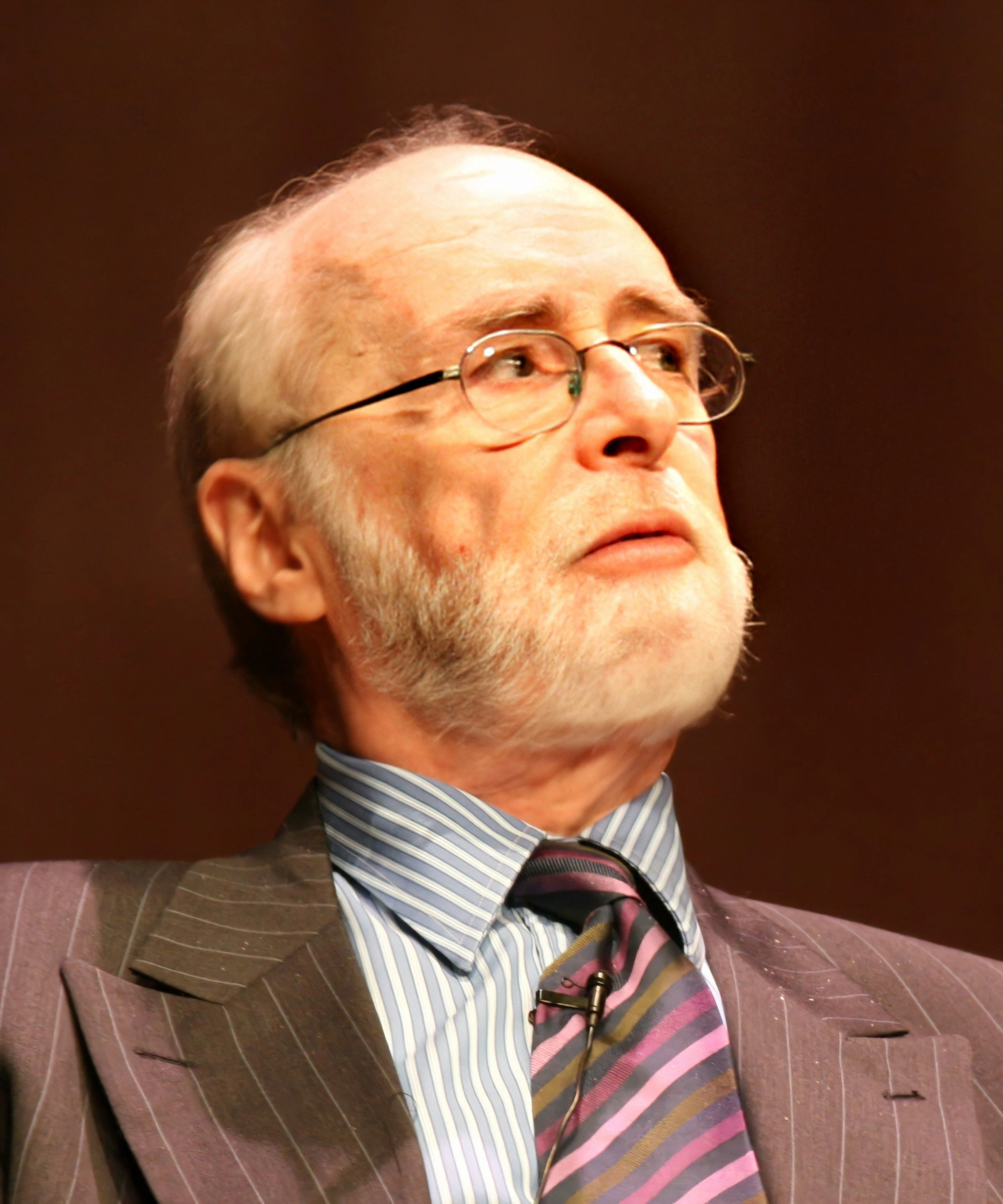
| 20 Quotes | |
| Native name | Sydney Hillel Schanberg |
| Occup. | Journalist |
| From | USA |
| Born | January 17, 1934 Clinton, Massachusetts, USA |
| Died | July 9, 2016 Poughkeepsie, New York, U.S. |
| Cause | Heart failure |
| Aged | 82 years |
| Cite | |
Citation Formats
APA Style (7th ed.)
Sydney schanberg biography, facts and quotes. (2026, February 11). FixQuotes. https://fixquotes.com/authors/sydney-schanberg/
Chicago Style
"Sydney Schanberg biography, facts and quotes." FixQuotes. February 11, 2026. https://fixquotes.com/authors/sydney-schanberg/.
MLA Style (9th ed.)
"Sydney Schanberg biography, facts and quotes." FixQuotes, 11 Feb. 2026, https://fixquotes.com/authors/sydney-schanberg/. Accessed 27 Mar. 2026.
Early Life and Background
Sydney Hillel Schanberg was born January 17, 1934, in Clinton, Massachusetts, the son of Jewish immigrants whose anxieties and ambitions were shaped by Depression-era America and the shadow of Europe. He grew up in a small mill-town New England that prized conformity and hard work, but he developed the habit that would define him - asking what people in authority were not saying, and why. That contrarian instinct was less a pose than a temperament: he was drawn to the vulnerable, suspicious of official reassurance, and quick to feel the moral pressure of events beyond his own neighborhood.That pressure became generational. Schanberg came of age as the United States moved from World War II victory to Cold War certainties, and then into the disruptions of civil rights, Vietnam, and televised war. The era taught him that history could turn on what the public was allowed to see - and on whether reporters had the stamina to look where governments preferred they not. Even early on, his inner life appears marked by a mix of guilt and resolve: guilt at safety while others suffered, resolve to narrow that distance through witness.
Education and Formative Influences
Schanberg studied at Harvard University, where he wrote for The Harvard Crimson and absorbed a model of reporting that treated institutions as subjects to be investigated rather than partners to be managed. After college and U.S. Army service, he entered journalism in an industry still dominated by print empires and deadline discipline. The formative influence was not a single teacher so much as the postwar newsroom ethic - accuracy, speed, skepticism - married to the mid-century realization that official narratives could be manufactured at scale.Career, Major Works, and Turning Points
Schanberg became a reporter and later foreign correspondent for The New York Times, rising through an organization that expected rigor but also rewarded courage. His defining turning point came in Cambodia in 1975, when Phnom Penh fell to the Khmer Rouge; he reported the takeover and evacuation and tried to protect local colleagues as the city was emptied. His coverage, and his effort to get translator and colleague Dith Pran out - an effort that failed in the moment and haunted him afterward - became the emotional core of both his reputation and his conscience. Schanberg won the 1976 Pulitzer Prize for International Reporting, and his and Pran's ordeal helped inspire the film "The Killing Fields" (1984), which turned his work into a mass-cultural reference point for the costs of witnessing. Later he directed energy toward long-running investigations closer to home, including forceful, sometimes abrasive reporting and advocacy around the possibility of U.S. prisoners left behind in Southeast Asia after the Vietnam War, a crusade that drew both passionate supporters and sharp critics.Philosophy, Style, and Themes
Schanberg's style was combative, detail-driven, and moralistic in the old sense: he wrote as if facts imposed obligations. War reporting made him suspicious of symbolic gestures and diplomatic theater; he was alert to the gap between humanitarian rhetoric and real leverage. That realism surfaces in his remark, “I don't see any move toward international pressure to stabilize the situation”. The sentence is plain, almost weary - a reporter's refusal to confuse attention with action - and it hints at a psychology trained by Southeast Asia to expect abandonment, especially when the abandoned are far from Washington.He also treated media institutions as political actors whether they admitted it or not, insisting on the press's responsibility to name its own power. “I don't know how you can do it, if you don't recognition the media as a power center in America”. That impatience with self-flattery ran alongside an ethic of craft loyalty: “If you believe in journalism, you don't insult good journalists”. Underneath the pugnacity was a wounded idealism - the sense that betrayal could occur not only by governments but by editors, fashions, and cowardice in the newsroom. His recurring theme was complicity: how systems get people to look away, and how a reporter, by refusing, pays in relationships, serenity, and sometimes certainty itself.
Legacy and Influence
Schanberg died July 9, 2016, in the United States, leaving a legacy knotted from exemplary foreign correspondence, a searing case study of the reporter as participant, and a contentious later career fueled by suspicion and persistence. At his best he expanded what Americans could imagine about Cambodia and about their own state's reach; at his most polarizing he showed how trauma can harden into fixation. Still, his enduring influence lies in the standard he helped set: that journalism is not mere transcription but a moral encounter with power, and that bearing witness - even imperfectly, even at personal cost - can outlast the regimes that demand silence.Our collection contains 20 quotes written by Sydney, under the main topics: Truth - Mortality - Writing - Freedom - Deep.
Sydney Schanberg Famous Works
- 2007 To the End of Hell (Book)
- 1984 The Killing Fields: The Facts behind the Film (Book)
- 1980 The Death and Life of Dith Pran (Book)
Source / external links