
Sydney Smith Biography Quotes 33 Report mistakes
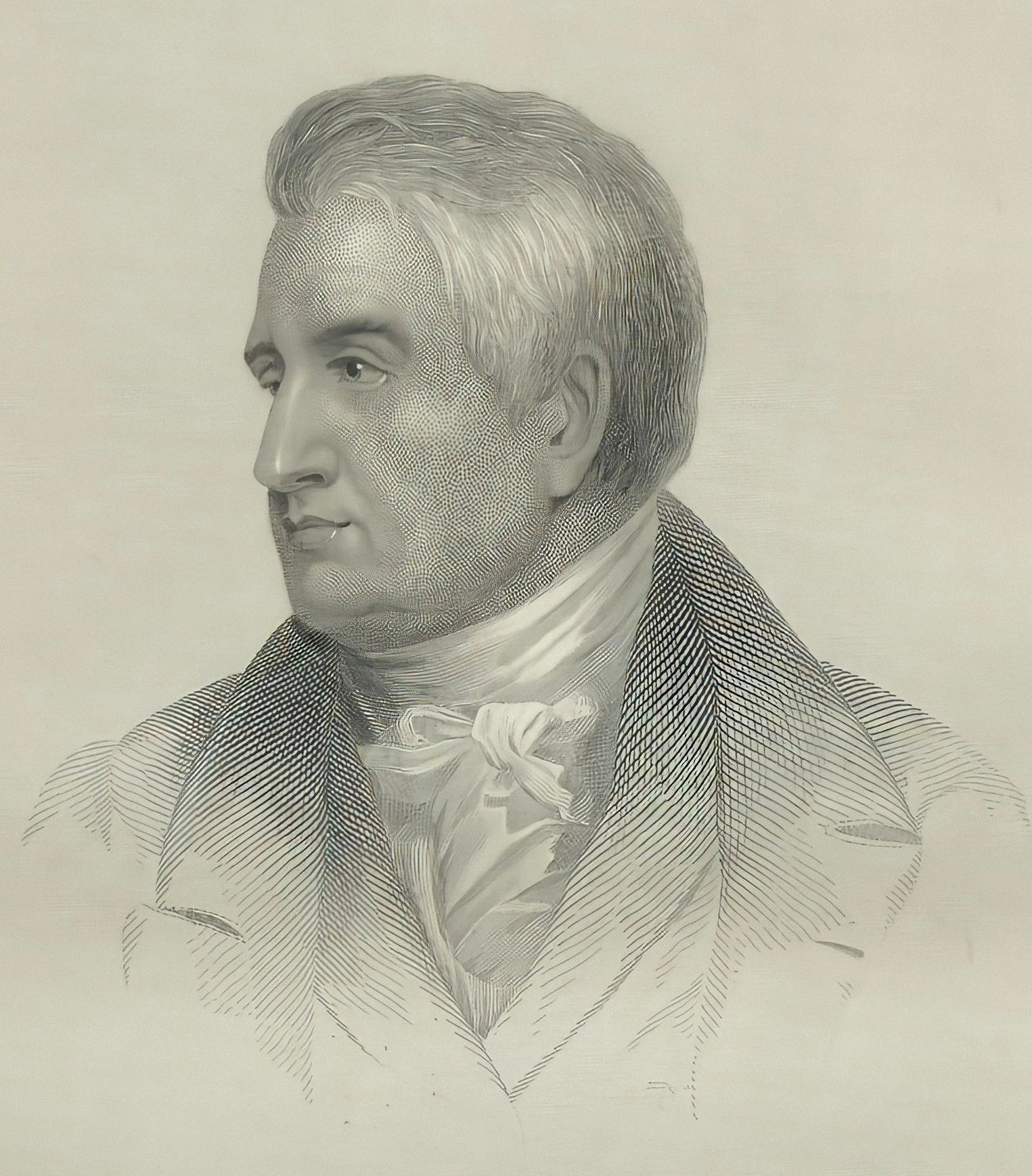
| 33 Quotes | |
| Occup. | Clergyman |
| From | England |
| Born | June 3, 1771 England |
| Died | February 22, 1845 England |
| Aged | 73 years |
| Cite | |
Citation Formats
APA Style (7th ed.)
Sydney smith biography, facts and quotes. (2026, February 11). FixQuotes. https://fixquotes.com/authors/sydney-smith/
Chicago Style
"Sydney Smith biography, facts and quotes." FixQuotes. February 11, 2026. https://fixquotes.com/authors/sydney-smith/.
MLA Style (9th ed.)
"Sydney Smith biography, facts and quotes." FixQuotes, 11 Feb. 2026, https://fixquotes.com/authors/sydney-smith/. Accessed 1 Apr. 2026.
Early Life and Background
Sydney Smith was born on June 3, 1771, at Woodford in Essex, into an Anglican clerical family that offered status but not ease. His father, Robert Smith, was a rector whose income was uncertain and whose temperament could be erratic; money anxieties and the fragile economics of the Church of England were early facts of life. Smith grew up with an alert sense of how quickly gentility could slide toward inconvenience, and he learned to treat hardship with an irony that later made his social criticism both bearable and persuasive.In youth he belonged to a generation formed by the shock waves of the American Revolution and, more decisively, the French Revolution - events that turned politics into a question of first principles. The English governing class tightened its grip in fear of Jacobinism, while dissenters and Catholics remained fenced out of public life. Smith, instinctively social and resistant to cant, watched the national mood harden and resolved to fight intolerance not by revolutionary fervor, but by humane argument, wit, and practical reform.
Education and Formative Influences
Smith entered New College, Oxford, where he absorbed the classic clerical curriculum while also discovering the power of talk - sermon, conversation, satire - to shift opinion. Oxford trained him in rhetoric and a certain worldly skepticism about systems; he admired intellect but distrusted metaphysical posturing that ignored lived consequences. Ordained in the Church of England, he served early curacies and, after time abroad as a tutor, returned with a widened sense of Europe and of how provincial English political certainties could be.Career, Major Works, and Turning Points
Smiths public career began in earnest when he settled in London and, in 1802, helped found the Edinburgh Review, the great Whig quarterly that made opinion journalism a national force; his early essays set its tone - brisk, comic, morally serious, impatient with cruelty and stupidity. He became one of the most effective popular advocates of Catholic emancipation, writing as "Peter Plymley" in a series of letters (1807-1808) that translated constitutional questions into plain moral urgency. After years of preferment delayed by politics, he took up posts that included the rectory of Foston-le-Clay in Yorkshire, where he built, gardened, entertained, preached, and wrote; only late did he receive a comfortable canonry at St Pauls Cathedral (1831), a delayed reward that confirmed his long complaint that the English establishment loved talent more when it was safely old.Philosophy, Style, and Themes
Smiths mind was an engine of moral common sense: impatient with cruelty, suspicious of abstraction, and confident that public life could be improved by small, concrete acts. He repeatedly argued that conscience without effort is only self-regard, insisting, “Heaven never helps the men who will not act”. That line is less piety than psychology - a refusal to let good intentions become a narcotic. In an era when reformers were accused of endangering order, he framed action as a duty of stability: do something measurable, relieve a particular suffering, correct a specific law.His style mixed clerical authority with dinner-table speed, using laughter to puncture pomp and to make decency socially contagious. He understood human limitation, advising an intelligent selectiveness rather than anxious omniscience: “Have the courage to be ignorant of a great number of things, in order to avoid the calamity of being ignorant of everything”. That is a manifesto for liberal practicality - know enough to act wisely, not so much that thought becomes paralysis. Even his most quoted jokes carry a theory of institutions and identity; by observing, “As the French say, there are three sexes - men, women, and clergymen”. , he exposed the clerical role as a social category with its own temptations - self-importance, insulation, professional virtue-signaling - and he mocked those temptations in himself as a prophylactic against hypocrisy.
Legacy and Influence
Smith died on February 22, 1845, after helping to make the liberal Anglican voice intellectually respectable and publicly enjoyable. He left no single magnum opus, but his essays, sermons, and reform pamphlets helped normalize a politics of sympathy joined to reason: anti-slavery, religious toleration, prison and legal reform, and the slow dismantling of confessional barriers in British public life. Later Victorian clerics and essayists borrowed his model of the public parson - learned without pedantry, devout without fanaticism, funny without cynicism - and modern readers still find in him a usable ethic: act, simplify, tell the truth, and make the truth pleasant enough to be heard.Our collection contains 33 quotes written by Sydney, under the main topics: Witty One-Liners - Motivational - Ethics & Morality - Truth - Wisdom.
Source / external links