
Tabitha Brown Biography Quotes 5 Report mistakes
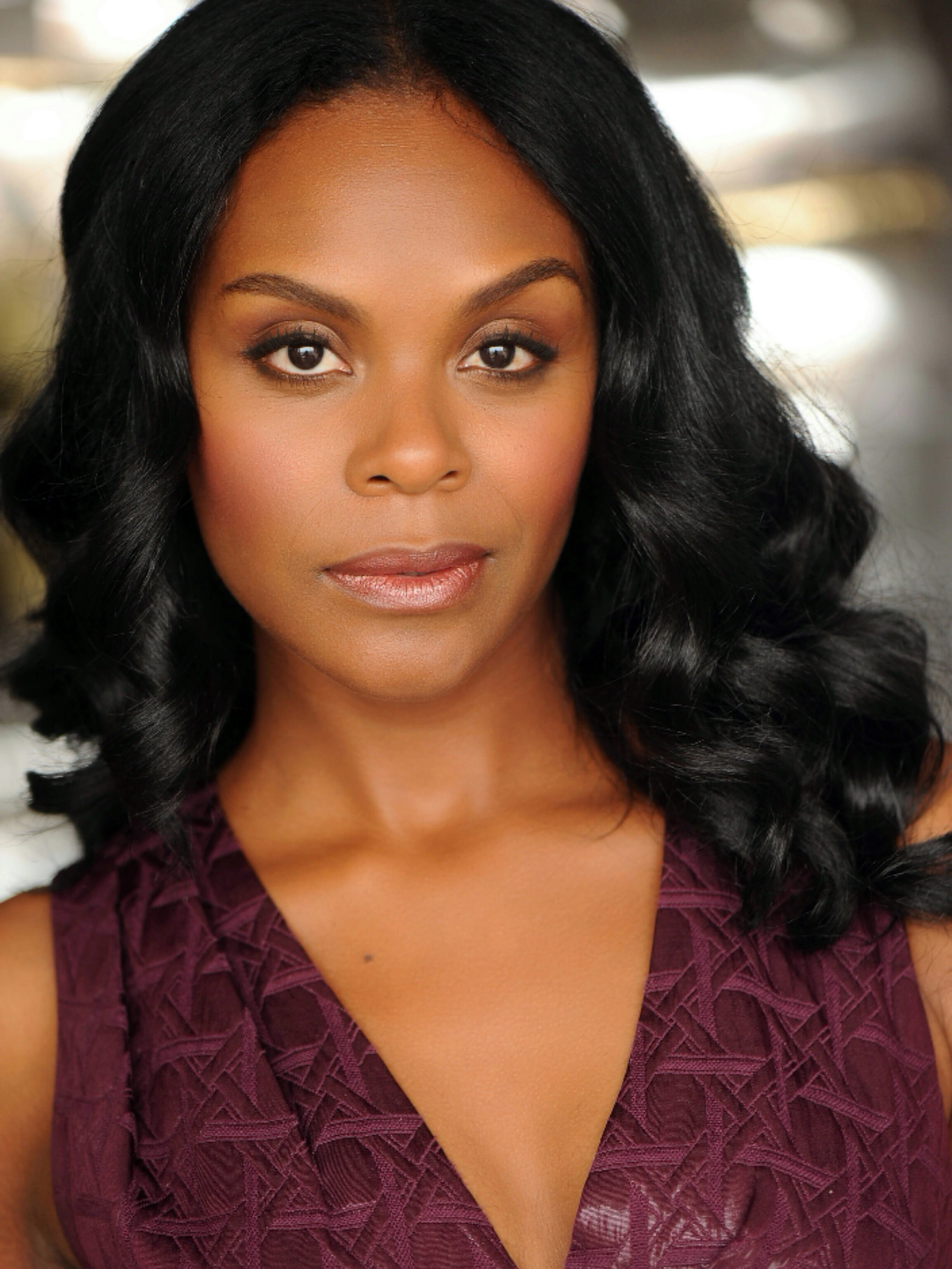
Attr: Tabitha Brown - IMDb
| 5 Quotes | |
| Born as | Tabitha Bonita Thomas |
| Occup. | Celebrity |
| From | USA |
| Spouse | Chance Brown |
| Born | February 4, 1979 Eden, North Carolina, USA |
| Age | 47 years |
| Cite | |
Citation Formats
APA Style (7th ed.)
Tabitha brown biography, facts and quotes. (2026, March 12). FixQuotes. https://fixquotes.com/authors/tabitha-brown/
Chicago Style
"Tabitha Brown biography, facts and quotes." FixQuotes. March 12, 2026. https://fixquotes.com/authors/tabitha-brown/.
MLA Style (9th ed.)
"Tabitha Brown biography, facts and quotes." FixQuotes, 12 Mar. 2026, https://fixquotes.com/authors/tabitha-brown/. Accessed 2 Apr. 2026.
Early Life and Background
Tabitha Brown was born on February 4, 1979, in Eden, North Carolina, and grew up in a working-class Black Southern family shaped by church culture, humor, and the practical ethics of mutual care. Her father served in law enforcement and later in the local community, and her mother worked in education, giving Brown an early model of discipline paired with service. Eden was small enough to make personality legible: people knew one another's struggles, gifts, and reputations, and Brown absorbed the cadences of Southern speech, the rituals of family meals, and the emotional intelligence required to survive with dignity in modest circumstances. Those elements later became central to her public voice - not as branding but as autobiography turned method.Before fame, Brown's life was defined less by glamour than by persistence. She married young, became a mother, and spent years navigating the unstable economics of creative ambition while supporting a family. The long period before public recognition matters because it explains the unusual emotional texture of her later celebrity: she did not arrive as an ingenue discovered by an industry but as a middle-aged striver who had already lived through disappointment, debt, caregiving, and chronic uncertainty. Her eventual prominence as an actor, vegan advocate, and internet personality carries the memory of those years; it is rooted in earned credibility, not fantasy.
Education and Formative Influences
Brown attended Miami International University of Art and Design for a time after moving to Florida, but like many artists from financially constrained backgrounds, her real education was discontinuous and experiential. She relocated to Southern California to pursue acting, entering an entertainment world that often rewards polished access over late-blooming individuality. At the same time, a health crisis became decisive: after years of chronic pain and fatigue, she adopted a vegan diet in 2017, a change she has linked to dramatic improvement. That transformation did more than alter her eating habits - it fused survival, spirituality, and vocation. Her formative influences thus came from three intersecting sources: Black Southern oral culture, the precarity of audition-era Los Angeles, and the intimate knowledge that the body can become both obstacle and teacher.Career, Major Works, and Turning Points
Brown worked in retail and small media jobs while taking acting opportunities where she could, including local hosting and minor screen work. Her breakthrough came not through conventional casting but through social media, especially a widely shared 2017 car-video review of a Whole Foods vegan sandwich in which her warmth, comic timing, and velvet North Carolina delivery made recommendation feel like reassurance. She built a large following on TikTok and Instagram during the late 2010s and early 2020s, precisely when the pandemic intensified the public appetite for calming, trustworthy presences. From there she expanded rapidly: partnerships with Target and other brands, a New York Times bestselling memoir, Feeding the Soul (Because It's My Business), children's books, hair-care and home lines, and television visibility through acting and hosting, including The Chi and Tab Time. Her rise is a case study in platform-era reinvention: she turned domestic talk, vegan food, and emotional candor into a cross-media career without surrendering the intimacy that made audiences feel personally addressed.Philosophy, Style, and Themes
Brown's philosophy is built on permission - permission to heal, to change, to age into oneself, and to refuse the scripts that define legitimacy too narrowly. She frequently frames truth-telling as liberation, not only for the speaker but for unseen listeners: “You never know whose chains you'll unlock by having the courage to tell your truth, and you may even unlock your own”. That sentence reveals the moral psychology beneath her genial manner. Brown treats confession not as spectacle but as communal labor; vulnerability is useful because it gives others language for their own buried needs. Her public encouragement works because it is not abstract positivity. It comes from someone who knows stalled ambition, illness, and self-doubt from the inside.Her style joins preacherly affirmation, maternal reassurance, and comic understatement. Brown's soft voice is strategic: it lowers the temperature in a culture addicted to performance and conflict, yet it carries a firm doctrine of self-acceptance. “I wasn't my completely free self. Even though I was in search of myself, I was still afraid to be completely my full self”. In that admission, she identifies fear as the last prison even after outward striving begins. Her answer is radical tenderness - toward the self, toward the body, toward the audience. Hence another recurring assurance: “No matter where you are in life or how you are feeling today, remember that your life has value and purpose. You matter, and you will always be a big deal”. What might sound sentimental in another figure becomes, in Brown, an ethic of restoration aimed especially at Black women, exhausted caregivers, and people who believe they have missed their moment.
Legacy and Influence
Tabitha Brown's legacy lies in enlarging what celebrity can mean in the digital age. She is not simply a successful influencer who monetized relatability; she helped legitimize a form of public presence built on comfort, plant-based living, middle-aged reinvention, and spiritually inflected honesty. For Black women especially, her ascent disrupted old entertainment hierarchies that favored youth, industry grooming, and emotional armor. She has also broadened the cultural image of veganism, translating it from niche lifestyle into accessible daily practice through humor, recipes, and testimony. Her influence endures because it is both commercial and intimate: she built businesses, but she also gave millions a vocabulary for gentleness, boundaries, and late-arriving selfhood.Our collection contains 5 quotes written by Tabitha, under the main topics: Truth - Leadership - Success - Confidence - Self-Love.
Source / external links