
Ted Shawn Biography Quotes 3 Report mistakes
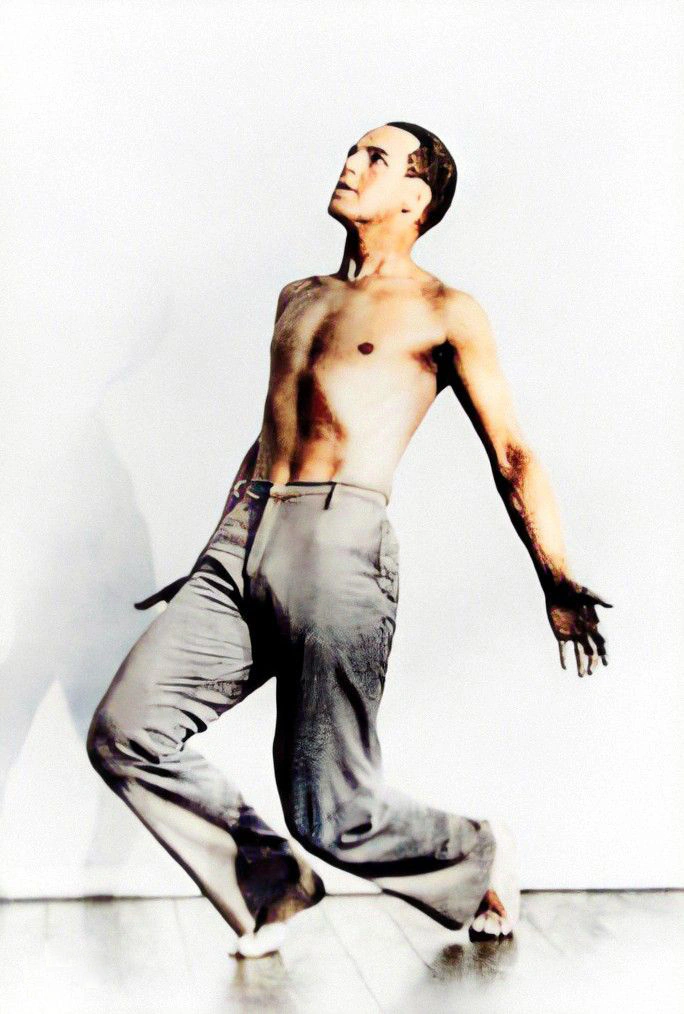
| 3 Quotes | |
| Born as | Edwin Myers Shawn |
| Occup. | Dancer |
| From | USA |
| Spouse | Ruth St. Denis |
| Born | October 21, 1891 Kansas City, Missouri, USA |
| Died | January 1, 1972 Lee, Massachusetts, USA |
| Cause | Heart attack |
| Aged | 80 years |
| Cite | |
Citation Formats
APA Style (7th ed.)
Ted shawn biography, facts and quotes. (2026, February 11). FixQuotes. https://fixquotes.com/authors/ted-shawn/
Chicago Style
"Ted Shawn biography, facts and quotes." FixQuotes. February 11, 2026. https://fixquotes.com/authors/ted-shawn/.
MLA Style (9th ed.)
"Ted Shawn biography, facts and quotes." FixQuotes, 11 Feb. 2026, https://fixquotes.com/authors/ted-shawn/. Accessed 6 Mar. 2026.
Early Life and Background
Ted Shawn was born Edwin Myers Shawn on October 21, 1891, in Kansas City, Missouri, and grew up in the American Midwest at a moment when masculinity was being renegotiated between Victorian restraint, the physical culture movement, and a new urban modernity. His father, a railroad man, died when Shawn was young, leaving the family in reduced circumstances and sharpening the mix of self-reliance and hunger for achievement that would later animate his relentless work ethic.A childhood bout of diphtheria left him partially paralyzed, and the long process of recovery pushed him toward movement as both discipline and salvation. Dance arrived first as therapy, then as vocation, and that origin left an enduring imprint: Shawn never treated technique as ornament. For him the body was a moral instrument, proof that will and imagination could re-form fate. The nation he came of age in prized practicality; he would spend his life arguing that movement could be practical, too - as health, as art, and as a public language.
Education and Formative Influences
Shawn studied at the University of Denver with the intention of becoming a minister, and the theological cast of his early ambitions mattered: even after he abandoned the pulpit, he retained a preacher's sense of mission and a conviction that performance could lift audiences into something like communal contemplation. Early professional experience in the nascent American modern dance world brought him into contact with concert dance as a serious, non-ballet alternative, and he absorbed both the era's fascination with non-Western forms and its appetite for pageantry, ritual, and "new" bodily freedoms.Career, Major Works, and Turning Points
In 1914 Shawn partnered personally and artistically with Ruth St. Denis, and together they founded Denishawn (Los Angeles), the company and school that became a powerhouse incubator for American concert dance. Denishawn trained and launched future innovators including Martha Graham, Doris Humphrey, and Charles Weidman, even as Shawn and St. Denis toured vaudeville circuits and legitimate theaters, balancing popular appeal with big-idea ambition. After the marriage and company frayed and effectively ended in the early 1930s, Shawn made a decisive, risky pivot: he formed Ted Shawn and His Men Dancers (1933), a touring all-male ensemble that challenged the stigma around male dancers in the United States. Out of that experiment grew Jacob's Pillow in the Berkshires of Massachusetts - first a farm and performance base, then a permanent home for training, presenting, and archiving dance, which Shawn cultivated through the Depression, World War II, and the postwar boom.Philosophy, Style, and Themes
Shawn's inner life was a knot of devotion and audacity: devotion to dance as a calling, audacity in insisting that the male body could carry concert dance without apology. He framed movement not as decorative entertainment but as a primary material of human expression, famously insisting, “Dance is the only art of which we ourselves are the stuff of which it is made”. The sentence is both aesthetic thesis and self-portrait - Shawn thought in embodied terms, measuring truth by what could be borne in muscle, breath, and rhythm. His choreography and staging often leaned on ritualized structures, heroic groupings, and images drawn from labor, athletics, and idealized "folk" identity, a style that could elevate the everyday into emblem.The spiritual register never left him. “I believe that dance communicates man's deepest, highest and most truly spiritual thoughts and emotions far better than words, spoken or written”. reads like a credo from the minister he might have become, and it helps explain his persistent didactic streak: he wanted audiences converted, not merely pleased. Yet he was also practical about American skepticism, especially toward men onstage. His Men Dancers project was a social argument made in touring trunks and sweaty rehearsal rooms, condensed in his own challenge: “I wanted to see if the American man in plain brown pants and a bare torso could speak profound things”. He tested that proposition nightly, using disciplined physicality and communal male ensembles to claim seriousness where the culture expected either ballet aristocracy or vaudeville novelty.
Legacy and Influence
Shawn died on January 1, 1972, but his influence remains architectural. Denishawn helped professionalize American dance training and seeded the modern dance revolution through its alumni, while Jacob's Pillow became one of the most enduring institutions in the field - a presenting center, school, and historical memory bank that has shaped repertory, scholarship, and taste for generations. His own work is debated for its romanticized exoticism and its sometimes monumental rhetoric, yet his core achievements endure: he expanded what American concert dance could look like, insisted on a place for men within it, and built a home where the art could outlive any one choreographer's season.Our collection contains 3 quotes written by Ted, under the main topics: Art - Deep.
Source / external links