
Terence Fisher Biography Quotes 9 Report mistakes
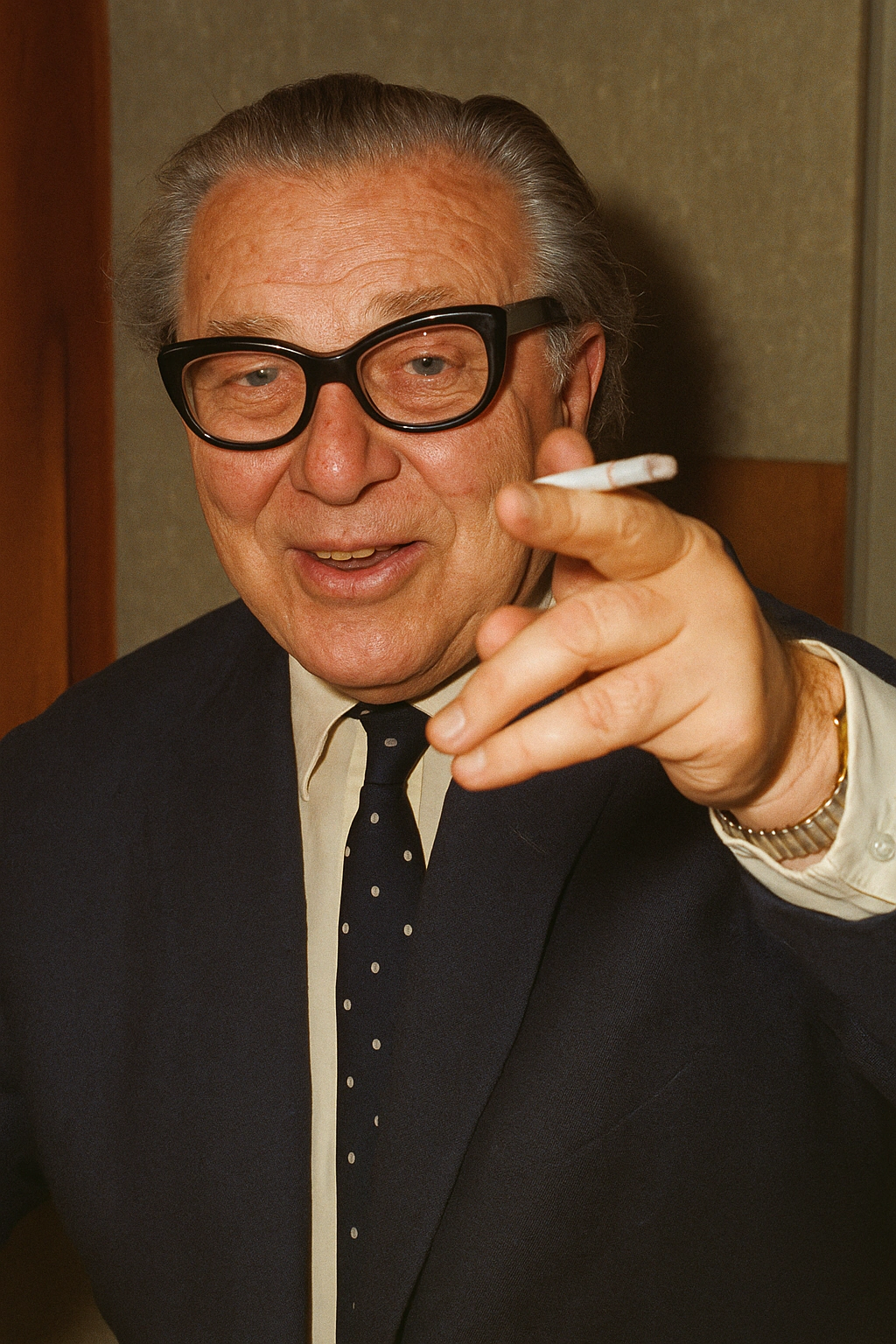
| 9 Quotes | |
| Occup. | Director |
| From | United Kingdom |
| Born | February 23, 1904 |
| Died | June 18, 1980 |
| Aged | 76 years |
| Cite | |
Citation Formats
APA Style (7th ed.)
Terence fisher biography, facts and quotes. (2026, February 11). FixQuotes. https://fixquotes.com/authors/terence-fisher/
Chicago Style
"Terence Fisher biography, facts and quotes." FixQuotes. February 11, 2026. https://fixquotes.com/authors/terence-fisher/.
MLA Style (9th ed.)
"Terence Fisher biography, facts and quotes." FixQuotes, 11 Feb. 2026, https://fixquotes.com/authors/terence-fisher/. Accessed 3 Mar. 2026.
Early Life and Background
Terence Fisher was born on February 23, 1904, in Maida Vale, London, into an England still shaped by Edwardian hierarchies and the gathering pressures of modernity. His childhood unfolded in the long shadow of World War I and the interwar years, when mass entertainment and new technologies were remaking the public imagination. Fisher belonged to a generation that watched the old moral order wobble while popular culture - music halls, newspapers, and, increasingly, cinema - learned to speak in the grammar of sensation.Before he became synonymous with gothic horror, Fisher lived the working-life pragmatism of a British studio craftsman. He did not arrive as a celebrated auteur; he rose through jobs that taught discipline, problem-solving, and an instinct for what an audience would track in an image. This background, grounded less in bohemian myth than in the routines of production, later gave his films their unusual combination of operatic stakes and sturdy narrative mechanics.
Education and Formative Influences
Fisher trained in the practical school of British film labor rather than the seminar room, entering the industry in the 1930s and learning the trade as an editor and assistant director. The British studio system of the period prized clarity, continuity, and speed - a training that sharpened his sense of structure and rhythm. Those years also immersed him in a national cinema negotiating American competition, wartime demands, and postwar austerity, all of which made economy a virtue and atmosphere a hard-won achievement.Career, Major Works, and Turning Points
After wartime service with the Royal Air Force, Fisher directed features in the late 1940s and 1950s across genres, but his decisive turning point came at Hammer Film Productions. There, in the mid-to-late 1950s and 1960s, he helped define Hammer's color-gothic identity with The Curse of Frankenstein (1957), Dracula (1958), The Mummy (1959), and later titles such as The Hound of the Baskervilles (1959), The Brides of Dracula (1960), and The Devil Rides Out (1968). Working closely with actors like Peter Cushing and Christopher Lee and with designers who could conjure baroque dread on limited budgets, Fisher refined a cinema of moral pressure: men of intellect and will confronted by forces that tested the boundary between ambition and transgression. A serious car accident in the 1970s curtailed his work, and by the time he died on June 18, 1980, his reputation had begun the long shift from dependable genre director to foundational stylist.Philosophy, Style, and Themes
Fisher treated horror as a drama of belief, not merely a parade of shocks. His films often hinge on characters who think they can control the unnameable - scientists, aristocrats, occult investigators - only to discover that rational mastery has a price. He argued for a world in which the unseen is not metaphor but possibility: “Do I believe in the supernatural? Oh yes, certainly. I can't believe, I can't accept that you die and that's the end. Physically maybe it is a fact. But there's something about the mind that's more than that”. That conviction shaped the inward weather of his work: dread is not only fear of death, but fear that consciousness survives, judging or yearning, after the body fails.His style was equally psychological in its craft. Color, texture, and gesture become moral cues - the glow of candlelight, the corrupting lure of crimson, the orderliness of a laboratory turning into a chamber of sin. He understood that cinematic fear is as much about where attention lands as what is shown: “One blob of red in the wrong place and the audience isn't looking at the hero, they're looking at a patch of curtain (or something similar) and your whole effect is lost”. This is not mere technique; it reveals his internal ethic of control, a director haunted by the fragility of illusion. Yet his control served a more primal argument about desire. He never pretended Hammer's Dracula was only terror; he recognized the erotic voltage that made the myth culturally combustible: “Certainly Dracula did bring a hell of a lot of joy to a hell of a lot of women. And if this erotic quality hadn't come out we'd have been very disappointed”. In Fisher's hands, vampirism becomes a parable of temptation - a seduction that offers liberation and annihilation in the same breath.
Legacy and Influence
Fisher's influence radiates through the modern rehabilitation of classic monsters and the serious critical treatment of genre cinema. He helped establish the template for postwar British gothic: saturated color, intimate sets, firm narrative lines, and performances that play the supernatural with adult gravity. Later filmmakers drew from his balance of restraint and intensity, as did critics who reclassified Hammer horror as a site where sexuality, faith, and modern anxiety could be staged without apology. Once dismissed as a reliable studio hand, Fisher endures as a director whose work insists that monsters matter because they reveal what civilized people conceal: longing, guilt, and the persistent suspicion that the world is larger - and stranger - than reason admits.Our collection contains 9 quotes written by Terence, under the main topics: Ethics & Morality - Writing - Movie - Faith - Fear.
Other people related to Terence: Jimmy Sangster (Screenwriter), Herbert Lom (Actor), Christopher Lee (Actor), Peter Cushing (Actor), John Gilling (Director)
Frequently Asked Questions
- Christopher Lee: Star of Fisher’s Hammer films, played Count Dracula, the Creature in The Curse of Frankenstein, and the Mummy (1959).
- Peter Cushing: Frequent Fisher collaborator, starred as Dr. Frankenstein, Van Helsing, and Sherlock Holmes.
- Terence Fisher Dracula: Directed Dracula (1958) for Hammer; Christopher Lee as Count Dracula (US title: Horror of Dracula).
- How old was Terence Fisher? He became 76 years old
Source / external links