
Theo Van Gogh Biography Quotes 9 Report mistakes
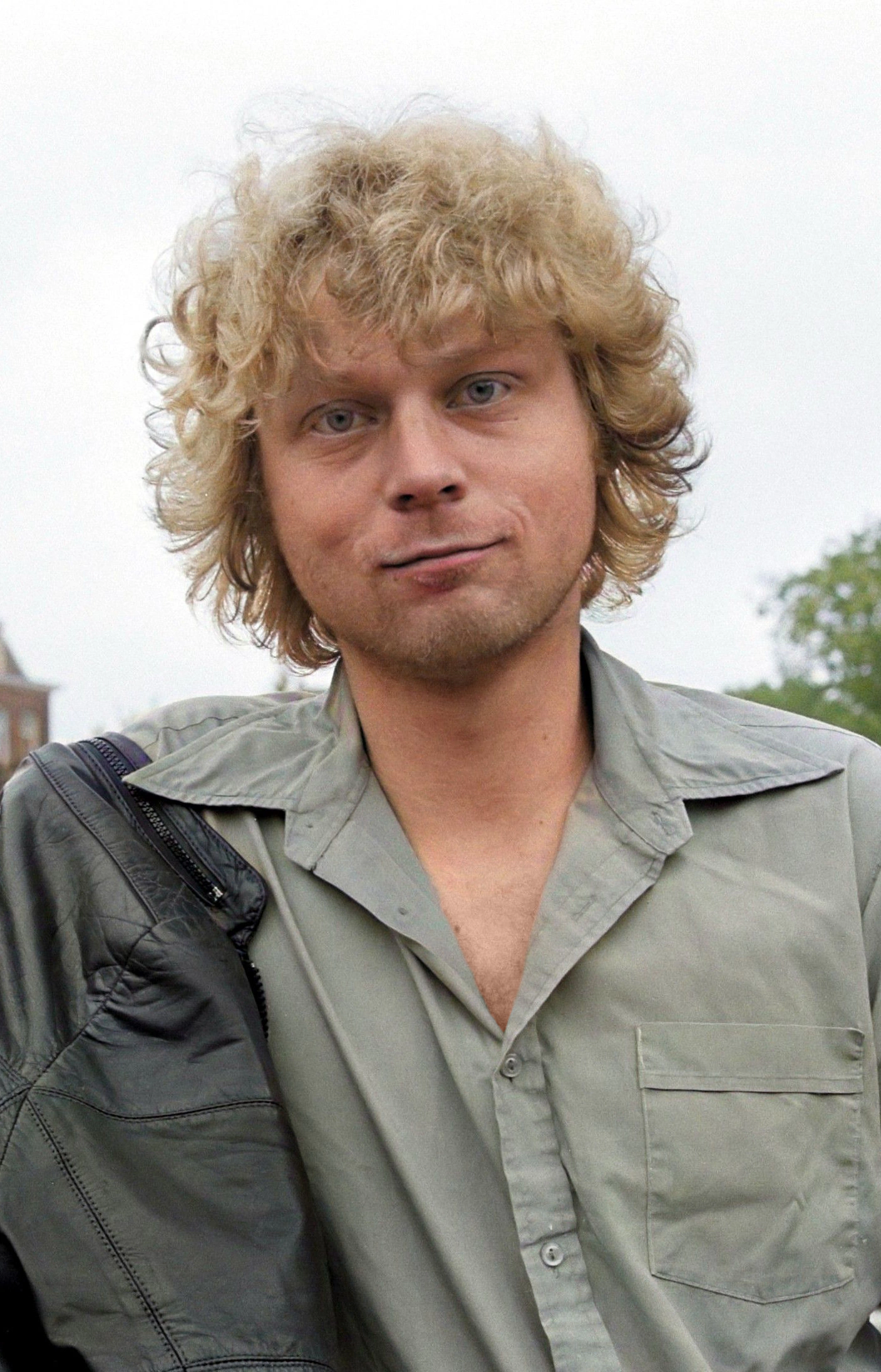
Attr: Theo van Gogh (1984)
| 9 Quotes | |
| Occup. | Director |
| From | Netherland |
| Born | July 23, 1957 Amsterdam, Netherlands |
| Died | November 2, 2004 Amsterdam, Netherlands |
| Cause | Assassination |
| Aged | 47 years |
| Cite | |
Citation Formats
APA Style (7th ed.)
Theo van gogh biography, facts and quotes. (2026, February 11). FixQuotes. https://fixquotes.com/authors/theo-van-gogh/
Chicago Style
"Theo Van Gogh biography, facts and quotes." FixQuotes. February 11, 2026. https://fixquotes.com/authors/theo-van-gogh/.
MLA Style (9th ed.)
"Theo Van Gogh biography, facts and quotes." FixQuotes, 11 Feb. 2026, https://fixquotes.com/authors/theo-van-gogh/. Accessed 28 Mar. 2026.
Early Life and Background
Theo van Gogh was born on July 23, 1957, in The Hague, Netherlands, into a society that was modernizing quickly yet still organized around pillarized institutions - Protestant, Catholic, socialist, liberal - that shaped education, media, and political loyalties. He carried a famous surname without being a direct descendant of the painter Vincent van Gogh, but the name invited instant expectations and provocation. His father, Johan van Gogh, worked in the publishing world, and his mother, Anneke Stikker, came from a prominent family; the household combined cultural capital with a distinctly Dutch confidence in blunt speech.That mixture sharpened his temperament early: bright, restless, and stubbornly allergic to authority. Friends and later colleagues remembered a young man who could be charming and vicious in the same breath, weaponizing humor as both social magnet and shield. In the Netherlands of the 1960s and 1970s - liberalizing on sex, drugs, and speech while also negotiating immigration and decolonization aftershocks - he developed a public persona that seemed to test whether tolerance had any edge at all.
Education and Formative Influences
Van Gogh attended the Amsterdam Lyceum and drifted in and out of higher education without settling; he was less a product of formal training than of the citys media ecosystem. Amsterdam in the late 1970s and 1980s offered him a stage: newspapers hungry for polemic, broadcasters willing to platform contrarians, and a film culture split between art-house ambition and commercial pragmatism. He read widely, absorbed the techniques of satire and pamphleteering, and learned that in Dutch public life, a cutting column could travel faster than any carefully footnoted argument.Career, Major Works, and Turning Points
He became a director, columnist, and television host, moving between film sets and opinion pages with the same combative energy. In cinema he was prolific, often working with small budgets and an eye for contemporary unease; notable titles include Interview (2003), a claustrophobic duel between a cynical reporter and a glamorous actress that distilled his fascination with performance, cruelty, and intimacy, and 06/05 (2004), a political thriller set against the real shock of the 2002 assassination of Pim Fortuyn. His most consequential work was Submission (2004), a short film made with Ayaan Hirsi Ali that criticized violence against women justified through religious authority; it aired on Dutch television and immediately drew threats. On November 2, 2004, in Amsterdam, van Gogh was murdered by Mohammed Bouyeri, an extremist who left a note threatening Hirsi Ali - a killing that ruptured Dutch self-understanding about multiculturalism, security, and the costs of free speech.Philosophy, Style, and Themes
Van Goghs style was built on an explicit theory of language as action, not ornament. “My use of language is part and parcel of my message”. He treated provocation as a diagnostic tool: if a society claimed to value openness, he would push until it revealed where it punished dissent. The result was a voice that mixed farce with moral alarm, often in the same sentence, insisting that comedy could smuggle hard truths past defenses. “The more light hearted I write about that, the better the message gets through”. Beneath the swagger sat a writer who understood how quickly attention hardens into hostility, and who nonetheless kept returning to the microphone because he believed silence ceded ground to intimidation.His themes came from the inner friction between despair and combativeness. He wrote openly about depression and about the paradox of turning private pain into public performance: “No, originally I thought that writing articles would keep me from having to see a psychiatrist, but I became even more depressed as a result”. That confession illuminates the psychology behind his relentless output - work as self-medication, polemic as a way to stay upright. Across his columns, talk shows, and films, he circled the same anxieties: hypocrisy in polite liberalism, the seductions of victimhood, the fragility of women and dissidents under coercive norms, and the fear that fear itself would reorganize Dutch life. Even when critics dismissed him as merely obscene, he was usually trying to force a choice: either defend open debate consistently, or admit it was conditional.
Legacy and Influence
Van Goghs death became a hinge in modern Dutch history, accelerating debates about integration, Islam in Europe, surveillance, and the boundaries of satire and blasphemy. Artists and journalists cited him both as martyr and cautionary tale: proof that speech can carry mortal risk, and proof that rhetorical cruelty can corrode solidarity even while defending liberty. In film, Interview endures as a compact study of power and self-invention; in politics, his killing marked the end of a certain Dutch innocence about domestic extremism. His influence persists in a media culture more security-conscious and more polarized, still arguing over the question he made unavoidable: what does a free society owe its heretics, and what does it ask of them in return?Our collection contains 9 quotes written by Theo, under the main topics: Witty One-Liners - Writing - Freedom - Mental Health - Human Rights.
Source / external links