
Theodore Gericault Biography Quotes 2 Report mistakes
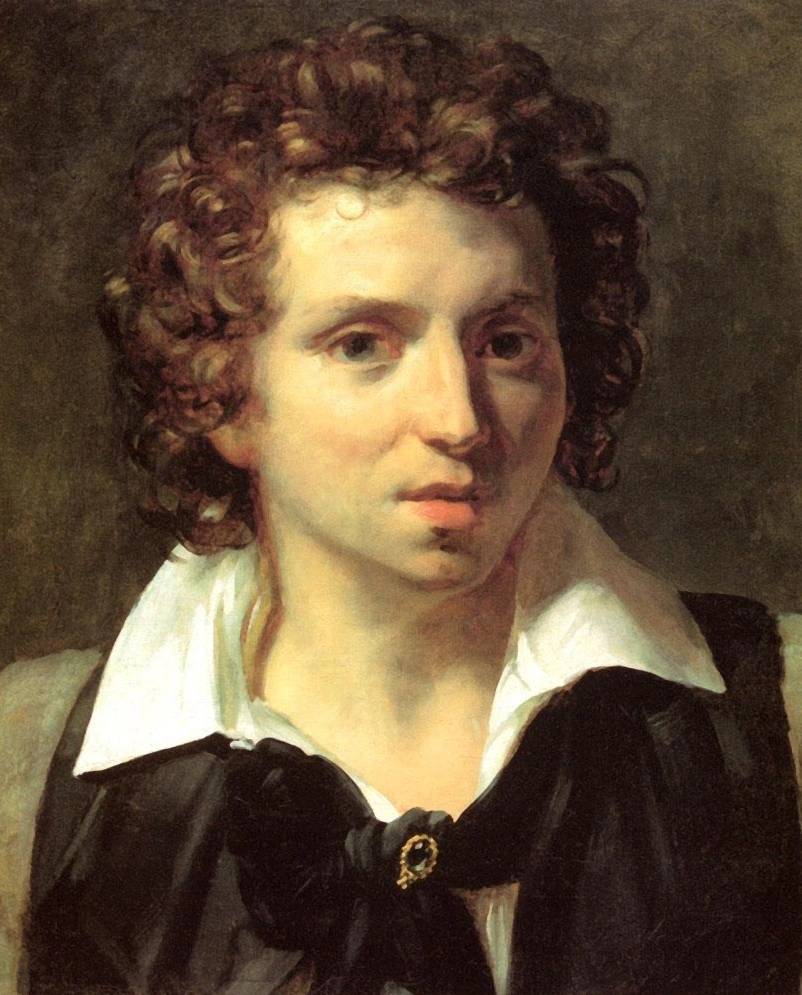
| 2 Quotes | |
| Born as | Jean-Louis André Théodore Géricault |
| Native name | Théodore Géricault |
| Occup. | Artist |
| From | France |
| Born | September 26, 1791 Rouen, Normandy, France |
| Died | January 26, 1824 Paris, France |
| Aged | 32 years |
| Cite | |
Citation Formats
APA Style (7th ed.)
Theodore gericault biography, facts and quotes. (2026, February 11). FixQuotes. https://fixquotes.com/authors/theodore-gericault/
Chicago Style
"Theodore Gericault biography, facts and quotes." FixQuotes. February 11, 2026. https://fixquotes.com/authors/theodore-gericault/.
MLA Style (9th ed.)
"Theodore Gericault biography, facts and quotes." FixQuotes, 11 Feb. 2026, https://fixquotes.com/authors/theodore-gericault/. Accessed 28 Mar. 2026.
Early Life and Background
Jean-Louis Andre Theodore Gericault was born on 26 September 1791 in Rouen, Normandy, as the French Revolution convulsed institutions and private life alike. His father, Georges-Nicolas Gericault, was a prosperous lawyer and tobacco merchant; his mother, Louise-Jeanne-Marie Caruel de Saint-Martin, came from an established Norman family. Material security did not insulate the household from the new France: the young Gericault grew up amid shifting political loyalties, the rise of Napoleon, and the militarization of public imagination, conditions that would later make his art unusually alert to power, bodies, and catastrophe.After his mothers death in 1808, Gericault moved fully into the orbit of Paris, where ambition, spectacle, and patronage offered a different kind of turbulence. He cultivated a difficult mixture of aristocratic polish and restless appetite - for speed, for risk, for the physicality of horses and riders. From adolescence he was drawn to stables, drills, and the street theater of uniforms and crowds, an attraction that would become both subject matter and temperament: his best paintings feel like they were made by someone who understood momentum in his own nerves.
Education and Formative Influences
In Paris he trained first with Carle Vernet, a celebrated painter of horses and military scenes, absorbing a shorthand for motion and a taste for contemporary life rather than antique reverie. He then entered the studio of Pierre-Narcisse Guerin, where Neoclassical discipline, line, and compositional rhetoric were still the official language, even as Romantic energies stirred. Gericault also educated himself voraciously in museums: he studied Rubens for flesh and turbulence, Michelangelo for muscular architecture, and the old masters for the moral weight of light. The Napoleonic era gave him pageantry and trauma in equal measure, and his apprenticeship became a tug-of-war between academic control and a hunger for lived extremity.Career, Major Works, and Turning Points
Gericault announced himself at the Salon of 1812 with "The Charging Chasseur", a cavalryman caught in a violent pivot of horse and will, a work that thrilled audiences with its bravura and unsettled them with its instability. His follow-up, "The Wounded Cuirassier" (1814), arrived as the Empire collapsed, turning heroic pose into exhausted retreat. A decisive turning point came with "The Raft of the Medusa" (completed 1818-1819), based on the 1816 shipwreck and political scandal that exposed incompetence and privilege. Gericault investigated like a reporter and staged like a tragedian: he interviewed survivors, built a model raft, studied corpses and severed limbs in hospitals, and produced a vast canvas in which the promise of rescue is inseparable from the spectacle of abandonment. The painting made him famous and controversial; after exhibiting it in Paris he took it to London in 1820-1821, where its grim modernity and painterly daring drew crowds and sharpened his sense of an international public. His last years, marked by worsening injuries from riding accidents and an increasingly strained body, yielded haunting studies of the marginalized, including portraits of asylum patients that treat insanity not as caricature but as private weather.Philosophy, Style, and Themes
Gericaults art is built on the conviction that painting should not merely decorate history but collide with it. He distrusted formulas and the complacency of studio repetition, asking, “Is it not dangerous to have students study together for years, copying the same models and approximately the same path?” The question is more than pedagogical; it reveals an artist anxious about deadening habits, someone who sought fresh sensation and moral urgency by turning outward - to streets, hospitals, stables, and the news - and by forcing the classical body into contemporary crisis.Technically, he fused sculptural draftsmanship with a dark, mobile color and an almost cinematic sense of suspense. He believed that paint alone was insufficient without inner ignition: “With the brush we merely tint, while the imagination alone produces colour”. That credo illuminates the psychological engine of his greatest works: imagination for him was not fantasy but intensity, the capacity to make suffering legible and to charge anatomy with fate. Whether in the torsioned riders of his military pictures, the piled bodies and tilted horizon of the Medusa raft, or the quiet, searching faces of the insane, he returns to themes of vulnerability under force - social, political, and physical - and to the thin line between vitality and collapse.
Legacy and Influence
Gericault died in Paris on 26 January 1824, only 32, yet his brief career helped pivot French painting from imperial pageant toward modern tragedy. "The Raft of the Medusa" became a template for politically resonant realism and a touchstone for Eugene Delacroix and the Romantic generation; its investigative method and refusal of comforting heroics echo later in Courbet, Manet, and even photojournalistic ways of seeing. His equestrian dynamism reshaped animal painting, while his portraits of mental illness stand as early, compassionate inquiries into marginalized subjectivity. In French art history he remains the artist who made contemporary disaster monumental, and who proved that the grand style could speak not only for kings and conquerors, but for the abandoned.Our collection contains 2 quotes written by Theodore, under the main topics: Art - Student.
Other people related to Theodore: Eugene Delacroix (Artist)
Source / external links