
Theodore Roethke Biography Quotes 13 Report mistakes
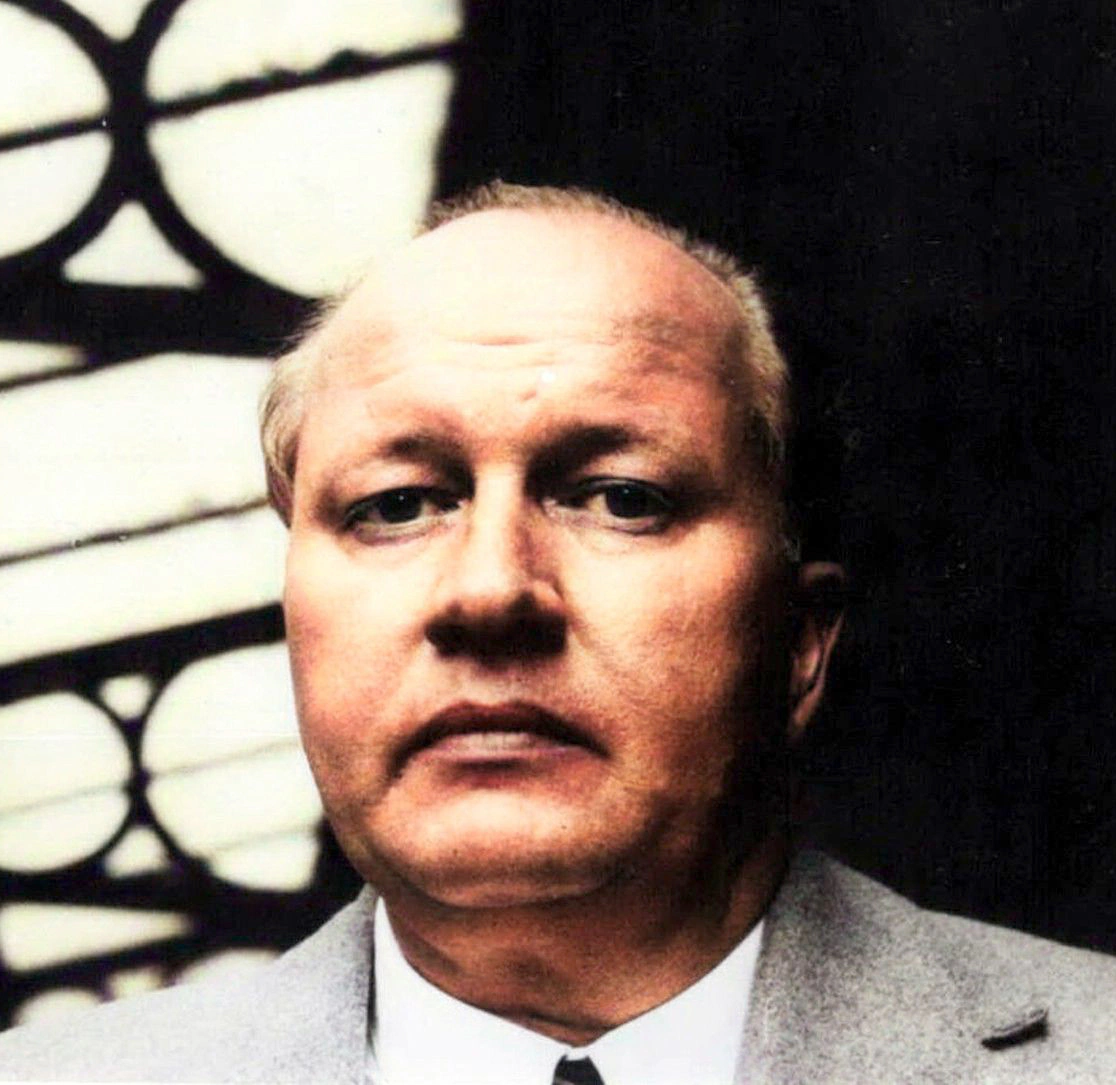
| 13 Quotes | |
| Born as | Theodore Huebner Roethke |
| Occup. | Poet |
| From | USA |
| Born | May 25, 1908 Saginaw, Michigan, USA |
| Died | August 1, 1963 Bainbridge Island, Washington, USA |
| Cause | Heart attack |
| Aged | 55 years |
| Cite | |
Citation Formats
APA Style (7th ed.)
Theodore roethke biography, facts and quotes. (2026, February 11). FixQuotes. https://fixquotes.com/authors/theodore-roethke/
Chicago Style
"Theodore Roethke biography, facts and quotes." FixQuotes. February 11, 2026. https://fixquotes.com/authors/theodore-roethke/.
MLA Style (9th ed.)
"Theodore Roethke biography, facts and quotes." FixQuotes, 11 Feb. 2026, https://fixquotes.com/authors/theodore-roethke/. Accessed 4 Mar. 2026.
Early Life and Background
Theodore Huebner Roethke was born May 25, 1908, in Saginaw, Michigan, a midwestern industrial city ringed by farms and wetlands. His father, Otto Roethke, a German immigrant, built a prosperous greenhouse business; his mother, Helen Huebner Roethke, came from a German-American family rooted in the region. The long glass rooms of the family greenhouses - humid, buzzing, densely alive - became the first landscape of his imagination, a place where nurture and control, growth and pruning, existed in the same breath.Loss arrived early and shaped the pressure system of his inner life. Otto Roethke died in 1923, when Theodore was fifteen, and an uncle associated with the business died soon after; the household shifted under grief, money, and responsibility. Roethke, already sensitive and high-strung, carried an early sense that intimacy could vanish without warning, and that the natural world was both consolation and threat. Those formative shocks helped seed the oscillations that would later define him: exuberant lyric confidence followed by periods of collapse and hospitalization.
Education and Formative Influences
Roethke attended the University of Michigan and then Harvard University, absorbing modernist technique while resisting modernism's chillier detachment. He studied with and learned from poets and critics who valued craft and musical line, and he read Yeats, Hopkins, and the metaphysical poets closely for their sprung rhythm, spiritual argument, and dramatic self-scrutiny. Early teaching posts and constant reading trained him to hear the speaking voice inside a poem - not merely a polished surface but a mind in motion - and to treat memory as a living medium rather than a record.Career, Major Works, and Turning Points
After teaching at Lafayette College and elsewhere, Roethke joined the University of Washington faculty in Seattle, where he became a magnetic, difficult presence - beloved by many students, feared by some colleagues, and periodically derailed by manic episodes that led to hospital stays. His first major book, Open House (1941), showed tight forms and guarded feeling; The Lost Son and Other Poems (1948) broke open his signature greenhouse childhood into dreamlike sequences; Praise to the End! (1951) and The Waking (1953) deepened his blend of devotional cadence and psychological candor. His art culminated in the love poems of Words for the Wind (1958) and the later meditations gathered in The Far Field (published 1964), work shadowed by illness yet marked by astonishing steadiness of ear. He won major recognition, including the Pulitzer Prize for Poetry for The Waking, and married Beatrice O'Connell in 1953, a relationship that steadied him even as his health remained precarious. Roethke died on August 1, 1963, in Bainbridge Island, Washington.Philosophy, Style, and Themes
Roethke's poetry is often described as nature poetry, but his nature is never scenic decoration; it is a psychic environment in which the self is tested, reduced, and remade. The greenhouse became a master-symbol for his vision: life pushed into being by heat and darkness, trained upward by strings, and always close to rot. His lines move by breath and incantation - lullaby, prayer, confession - and he used repetition and internal rhyme to mimic obsession, recovery, and relapse. If his poems seem to pace and circle, it is because the speaker is not reporting experience so much as surviving it in real time, listening for the moment when fear converts into knowledge.The defining drama is spiritual and psychological: how to inhabit a body that can betray you, and how to find a love that does not depend on mastery. “What is madness but nobility of soul at odds with circumstance”. In Roethke this is not romantic posturing; it is a diagnosis of a temperament that experiences the world too vividly, then pays for the excess. Countering that fracture is his stubborn faith in germination and return, the sense that even buried vitality keeps its charge: “Deep in their roots, all flowers keep the light”. And in the love poems, as in the late meditations, he insists that intimacy is an ethical risk, not a sentiment: “Love is not love until love's vulnerable”. These statements disclose a man who distrusted mere willpower; he sought instead a disciplined surrender - to growth, to time, to another person - as the only way to become whole.
Legacy and Influence
Roethke helped redirect mid-century American poetry toward a lyric that could be both formally attentive and psychologically naked, influencing poets who wanted intensity without formlessness. His greenhouse sequences and his inward dramas anticipated later confessional work while remaining distinct from it: less diaristic than archetypal, more incantatory than anecdotal. As a teacher he shaped generations at Washington, and as a craftsman he proved that the music of English can carry terror, tenderness, and metaphysical longing in the same measure. His best poems endure because they dramatize growth as a moral act - not self-improvement, but the courage to keep living through darkness toward a hard-won, singing clarity.Our collection contains 13 quotes written by Theodore, under the main topics: Motivational - Wisdom - Love - Deep - Learning.
Other people related to Theodore: Ned Rorem (Composer)
Theodore Roethke Famous Works
- 1968 Sequence, Sometimes Metaphysical (Poetry)
- 1964 The Far Field (Poetry)
- 1961 I Am! Says the Lamb (Poetry)
- 1958 Words for the Wind (Poetry)
- 1953 The Waking (Poetry)
- 1950 Praise to the End! (Poetry)
- 1948 The Lost Son and Other Poems (Poetry)
- 1941 Open House (Poetry)
Source / external links