
Thomas Brackett Reed Biography Quotes 5 Report mistakes
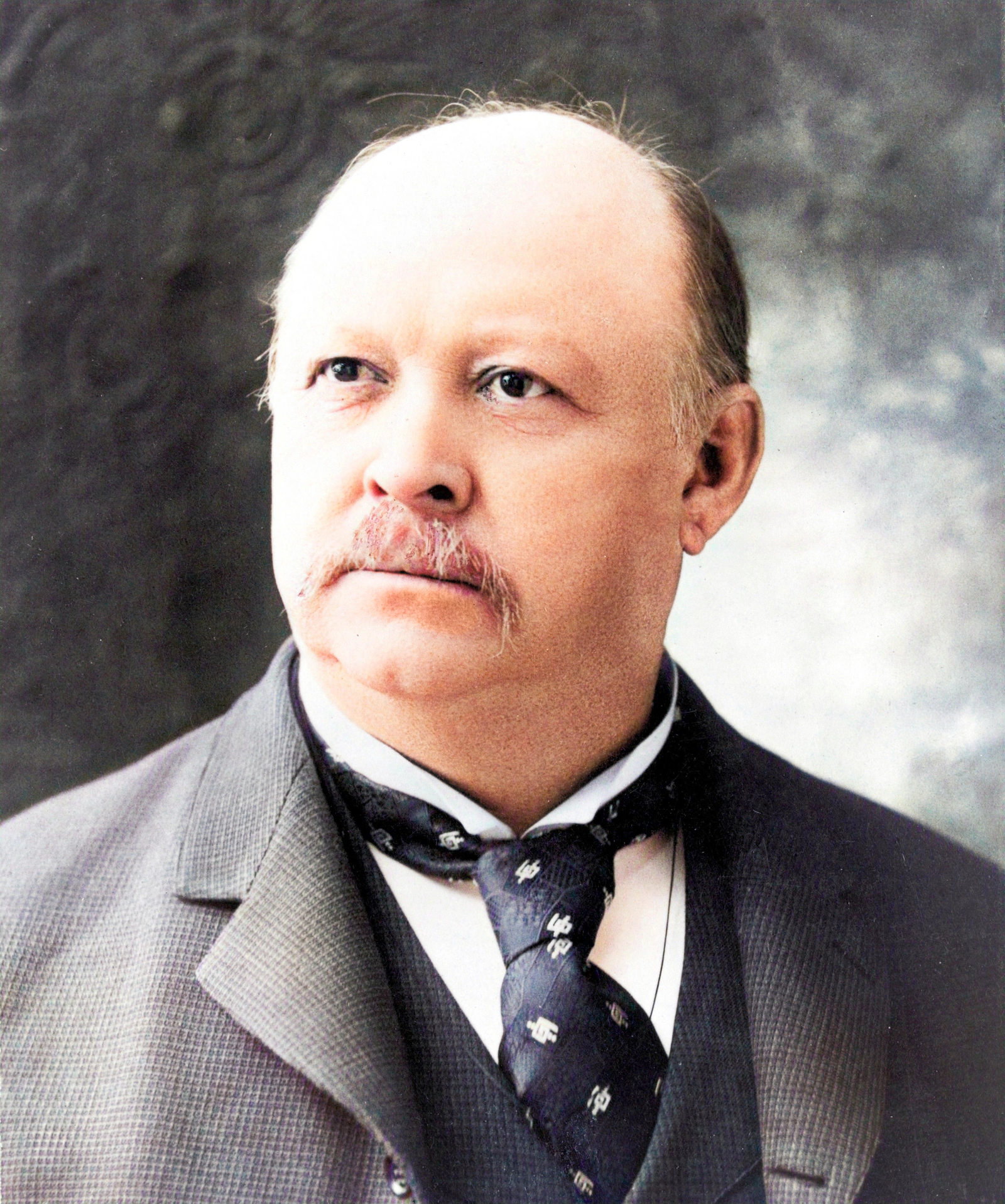
| 5 Quotes | |
| Born as | Thomas Brackett Reed Jr. |
| Known as | Thomas Reed |
| Occup. | Politician |
| From | USA |
| Born | October 18, 1839 Portland, Maine, USA |
| Died | December 7, 1902 Washington, D.C., USA |
| Aged | 63 years |
| Cite | |
Citation Formats
APA Style (7th ed.)
Thomas brackett reed biography, facts and quotes. (2026, February 11). FixQuotes. https://fixquotes.com/authors/thomas-brackett-reed/
Chicago Style
"Thomas Brackett Reed biography, facts and quotes." FixQuotes. February 11, 2026. https://fixquotes.com/authors/thomas-brackett-reed/.
MLA Style (9th ed.)
"Thomas Brackett Reed biography, facts and quotes." FixQuotes, 11 Feb. 2026, https://fixquotes.com/authors/thomas-brackett-reed/. Accessed 5 Mar. 2026.
Early Life and Background
Thomas Brackett Reed Jr. was born on October 18, 1839, in Portland, Maine, a brisk seaport where commerce, shipbuilding, and abolitionist argument coexisted in the same streets. His father, also Thomas Brackett Reed, died when Reed was young, leaving a household shaped by New England thrift and the expectation that talent must pay its own way. The boy grew into a tall, angular presence with a dry wit and a habit of looking past the room to the rules underneath it - a temperament that would later make him feared and, to allies, indispensable.Reed came of age as the Union cracked. Maine sent sons to the war and votes to Lincoln, and Reed absorbed the era's hard lesson: principle mattered, but organization decided outcomes. He watched how local patronage and party discipline translated moral passion into power, and he learned to distrust sentiment unbacked by procedure. That mix of moral seriousness and institutional realism - a Yankee conscience inside a parliamentarian's armor - became his signature.
Education and Formative Influences
Reed attended Bowdoin College, graduating in 1860, in a milieu that prized classical training and forensic combat; the campus culture of disputation suited his quick sarcasm and lawyerly mind. Afterward he read law and began practice, but his education was as much political as academic: the Civil War, Reconstruction, and the early rise of corporate capitalism taught him that the United States was becoming a continental system whose conflicts would be fought through Congress. He took from New England Federalist tradition a respect for strong national institutions, yet he also developed a skeptical streak toward grand promises, especially those that treated lawmaking as a cure for every human flaw.Career, Major Works, and Turning Points
Reed served in the Maine legislature and as state attorney general before entering the U.S. House of Representatives in 1877, representing Portland for nearly a quarter century. He rose by mastering the House as an instrument, not a stage, and his turning point came during the razor-thin partisan battles of the late 1880s. As Speaker (1889-1891 and 1895-1899), he ended the minority's ability to paralyze business through the "disappearing quorum" tactic by counting members present but refusing to vote, a procedural revolution memorialized as the "Reed Rules". The reform made the House capable of governing - and made Reed the era's most formidable symbol of centralized, majoritarian control. He aligned with Republican nationalism and, in the 1890s, helped steer the chamber through tariff fights and the opening of an assertive, post-frontier foreign policy; yet he also broke with the high tide of expansion after the Spanish-American War, opposing the annexation of the Philippines and, increasingly disenchanted with party direction, leaving Congress in 1899 to return to private law practice.Philosophy, Style, and Themes
Reed's public mind was built around a paradox: he believed in energetic government when it could act decisively, but he distrusted the fantasy that statutes could redeem the human condition. “One of the greatest delusions in the world is the hope that the evils in this world are to be cured by legislation”. The line was not anti-government so much as anti-utopian - a warning from a legislator who had seen bills become banners and banners become excuses. His own reforms were procedural rather than paternal: make the institution functional, then force members to own the consequences. Behind the cynicism was a moral demand for honesty about limits, a temperament formed in the postwar years when corruption, patronage, and speculative booms exposed how easily noble language could mask crude motives.His style fused courtroom sarcasm with clerical precision. He enjoyed puncturing cant, and his barbs - like his famous jibe about the “original discovery of the Ten Commandments”. - were weapons aimed at moral preening. Yet beneath the wit lay a lonely intellectual independence that party life rarely rewards. “It is a very lonely life that a man leads, who becomes aware of truths before their times”. That loneliness helps explain his late-career isolation: a Speaker who centralized power to make government possible, then recoiled when that same machinery carried the nation toward imperial commitments he judged unwise. Reed's inner drama was the tension between duty to the majority and fidelity to judgment - between the arithmetic of votes and the solitude of conscience.
Legacy and Influence
Reed died on December 7, 1902, but the House he rebuilt endured: modern speakership, rule-making power, and the expectation that majorities govern through procedure trace directly to his innovations. To admirers, he was the statesman of institutional clarity, proving that democracy requires machinery as well as ideals; to critics, he was the architect of partisan hardball. Either way, "Czar Reed" became a template for later Speakers who sought to discipline chaos into action, and his anti-imperialist stand added a counterpoint to the triumphalist 1890s. Reed's most lasting influence is not a single law but a theory of power: that the decisive arena is the rulebook, and that the character of a republic is written, line by line, in how it counts its members and compels them to govern.Our collection contains 5 quotes written by Thomas, under the main topics: Witty One-Liners - Justice - Reason & Logic - Faith - Loneliness.
Source / external links