
Thomas Dekker Biography Quotes 16 Report mistakes
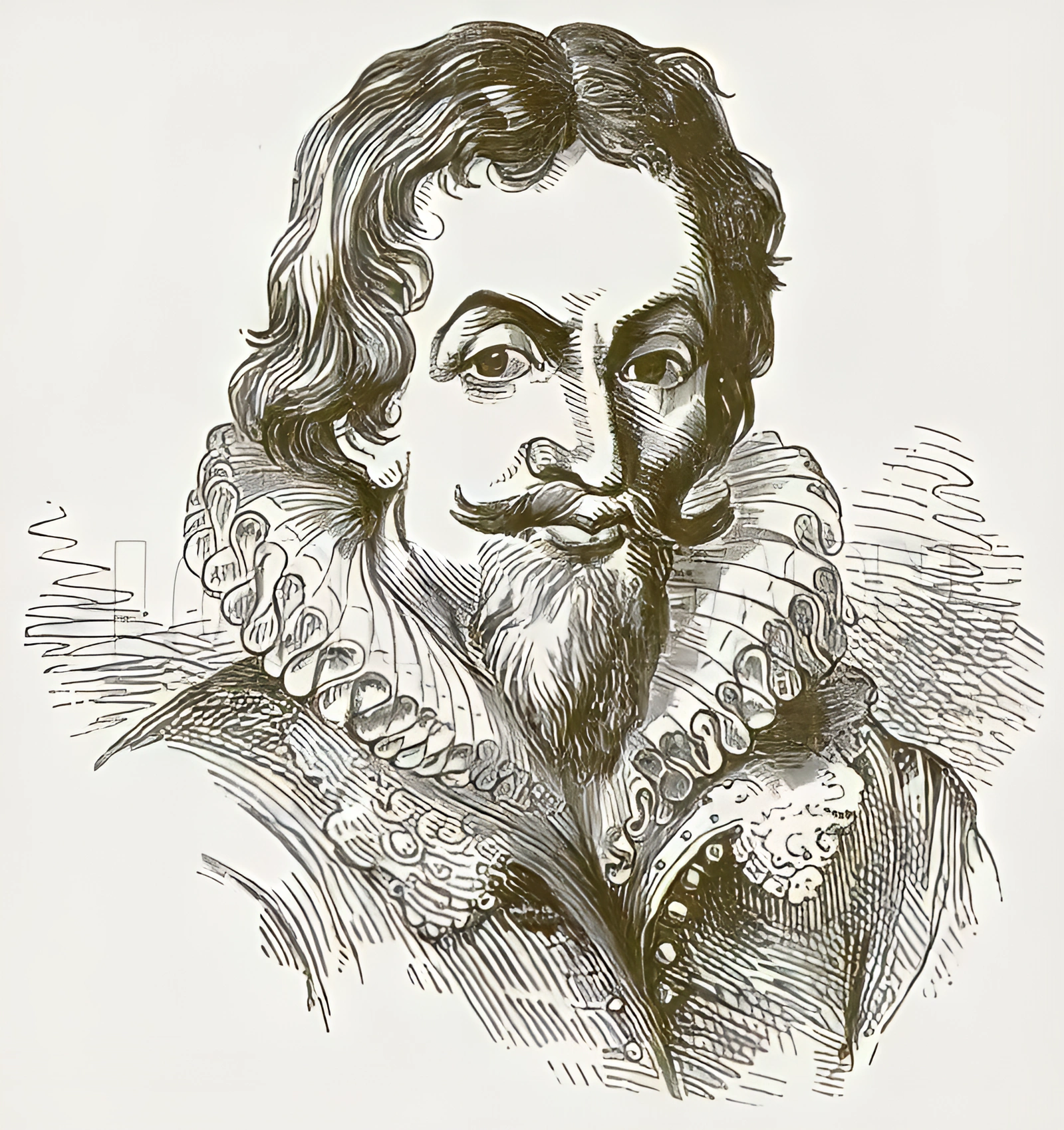
| 16 Quotes | |
| Occup. | Dramatist |
| From | England |
| Born | 1572 AC London, England |
| Died | August 25, 1632 London, England |
| Cite | |
Citation Formats
APA Style (7th ed.)
Thomas dekker biography, facts and quotes. (2026, February 11). FixQuotes. https://fixquotes.com/authors/thomas-dekker/
Chicago Style
"Thomas Dekker biography, facts and quotes." FixQuotes. February 11, 2026. https://fixquotes.com/authors/thomas-dekker/.
MLA Style (9th ed.)
"Thomas Dekker biography, facts and quotes." FixQuotes, 11 Feb. 2026, https://fixquotes.com/authors/thomas-dekker/. Accessed 16 Mar. 2026.
Early Life and Background
Thomas Dekker was born around 1572, probably in London, into the restless, booming metropolis of late Elizabethan England - a city where plague bills, playbills, and proclamations competed for attention. His origins are shadowed by the record-keeping gaps that swallow so many working writers of the period, yet his later pages suggest a man who knew the streets at foot level: the clamor of markets, the precariousness of rent, the theater crowds, and the quick moral judgments of neighbors and authorities.He came of age as England's commercial life hardened into new forms of inequality and mobility. The same decades that made the public theater a mass entertainment also made credit, debt, and imprisonment ordinary facts for artisans and writers. Dekker's lifelong preoccupation with the dignity of the poor, the humiliations of show, and the sudden reversals of fortune reads less like literary pose than lived condition - a temperament shaped by the city's pressures and the era's sharp social visibility.
Education and Formative Influences
No secure evidence places Dekker at a university, and his education appears to have been the practical schooling of London: apprenticeship-like labor in writing, collaboration, and revision under deadline. He entered the world of the Admiral's Men and Philip Henslowe's theatrical business by the 1590s, learning dramaturgy as piecework - plotting, patching, and polishing in teams. The pamphlet trade, sermon culture, civic pageantry, and the moral exempla of medieval tradition all fed his imagination, but so did the immediacy of Jacobean politics and the sensational appetite of a paying public.Career, Major Works, and Turning Points
Dekker became a central, often underpaid, figure in the collaborative theater economy. He worked with Henry Chettle, John Day, William Haughton, and others, and famously clashed in print during the "War of the Theatres" (c. 1599-1601), answering Ben Jonson with Satiromastix (1601). His best-known plays balance comedy, social critique, and sudden tenderness: The Shoemaker's Holiday (1599) celebrates labor and festive citizenship; The Honest Whore, Part 1 (1604, with Thomas Middleton) tests mercy against sexual reputation; The Roaring Girl (1611, with Middleton) dramatizes gender performance and urban rumor. His pamphlets and prose - including The Wonderful Year (1603) on plague-time London and The Gull's Hornbook (1609), a satirical guide to fashion and theatergoing - made him an interpreter of city life. The most damaging turning point was debt: he spent long stretches in prison, including years in the King's Bench (roughly 1613-1619), a confinement that sharpened his sympathy for the trapped and his suspicion of social varnish.Philosophy, Style, and Themes
Dekker's moral imagination is urban and humane: he writes as if virtue must survive in alleyways, countinghouses, and crowded playhouses, not in pastoral isolation. He repeatedly contrasts the glow of appearance with the bruises beneath it, insisting that London rewards surfaces while punishing substance. In that sense he is the poet of social masks, and his satire stings because it is tender - he can mock vanity without losing pity for the vain. “A mask of gold hides all deformities”. The line is not only social diagnosis but psychological self-defense: in a world where patronage and fashion decide who is heard, the poor learn to costume themselves, and the writer learns to see the costume as both strategy and tragedy.His work also argues for the sanctity of work, fellowship, and the ordinary rhythms that keep a precarious life from collapsing. “Honest labor bears a lovely face”. Dekker's comedies idealize craft and community not because he is naive about exploitation, but because he knows how easily dignity is stripped from the working body by debt, disease, or scandal. At the same time, his tenderness is edged with an apocalyptic sense of appetite and loss - London as a place where desire flashes into ruin and then becomes comedy to survive. “O what a heaven is love! O what a hell!” That oscillation is his signature: lyric warmth interrupted by the harsh mechanics of money, gossip, and law, so that laughter feels like a brief shelter rather than a solution.
Legacy and Influence
Dekker died on 1632-08-25, leaving the profile of a writer who helped define the city comedy and the pamphlet voice of early modern London. He never attained Jonson's monumental self-mythology, yet his influence persists in the very texture of later urban writing: the compassionate satire, the ear for street speech, the belief that moral truth is best tested among crowds. Modern readers return to him for the same reason his first audiences did - he makes a metropolis legible, insisting that behind every performance of status is a human being negotiating fear, hunger, desire, and hope.Our collection contains 16 quotes written by Thomas, under the main topics: Witty One-Liners - Truth - Wisdom - Love - Meaning of Life.
Other people related to Thomas: John Webster (Playwright), Cyril Tourneur (Dramatist), Philip Massinger (Playwright)
Source / external links