
Thomas Fuller Biography Quotes 86 Report mistakes
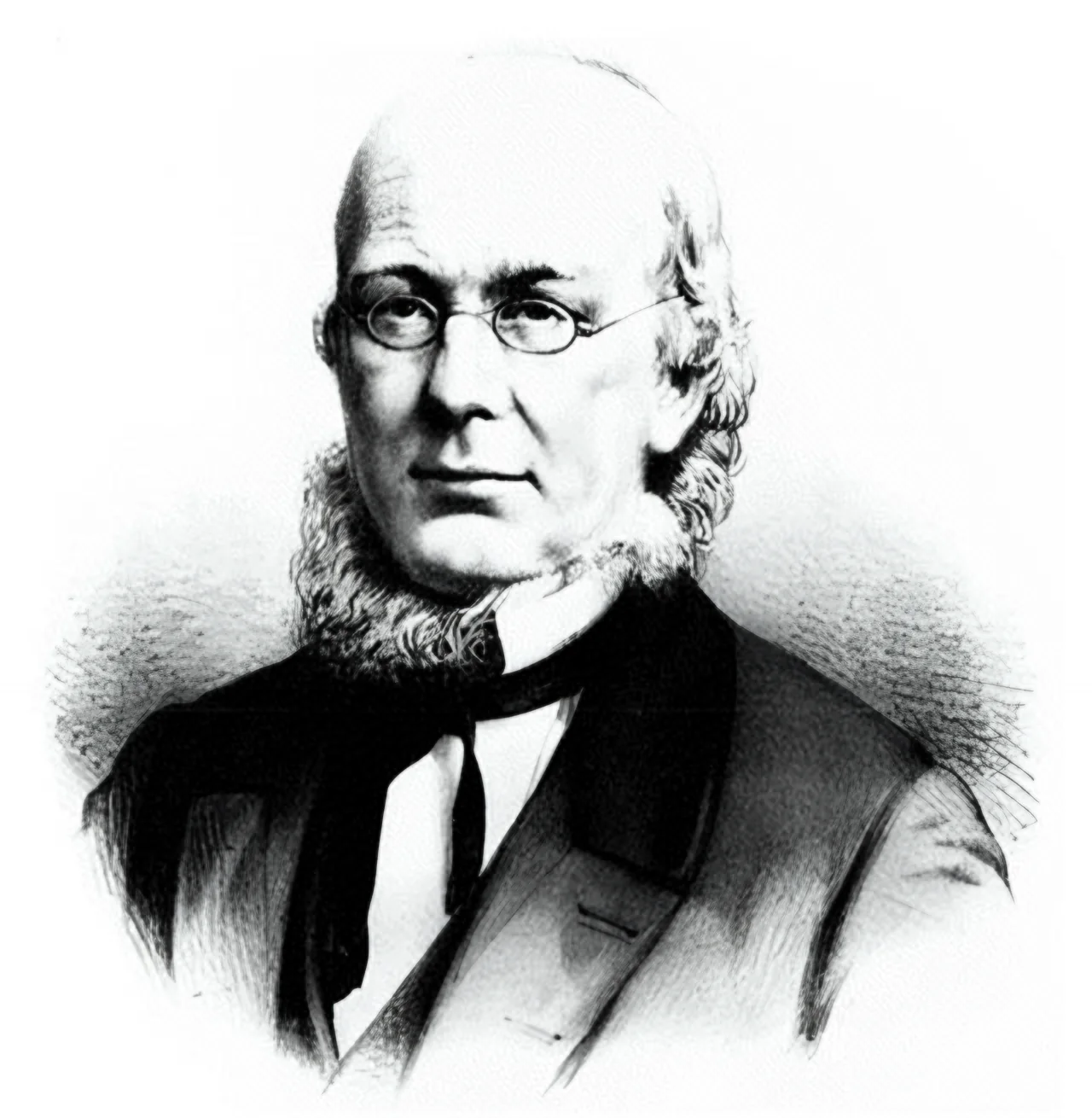
| 86 Quotes | |
| Occup. | Clergyman |
| From | England |
| Born | June 19, 1608 |
| Died | August 16, 1661 |
| Aged | 53 years |
| Cite | |
Citation Formats
APA Style (7th ed.)
Thomas fuller biography, facts and quotes. (2026, February 10). FixQuotes. https://fixquotes.com/authors/thomas-fuller/
Chicago Style
"Thomas Fuller biography, facts and quotes." FixQuotes. February 10, 2026. https://fixquotes.com/authors/thomas-fuller/.
MLA Style (9th ed.)
"Thomas Fuller biography, facts and quotes." FixQuotes, 10 Feb. 2026, https://fixquotes.com/authors/thomas-fuller/. Accessed 24 Mar. 2026.
Early Life and Background
Thomas Fuller was born on June 19, 1608, in Aldwinkle, Northamptonshire, where the rhythms of parish life and the pressures of an established church in a restless age framed his earliest memories. His father, also Thomas Fuller, served as rector, giving the boy a home steeped in scripture, sermon craft, and the practical governance of souls. The England of his childhood was post-Elizabethan but not post-anxiety: James I and then Charles I inherited a church still negotiating the aftershocks of the Reformation, while Puritan demands for further reform and episcopal insistence on order tightened the public air.From the start Fuller developed an unusual blend of quick wit and pastoral tact, a temperament suited to a nation where words could save or ruin. He learned to speak in a key that could persuade without inflaming, and to observe human motives without losing charity. That habit of mind later became his signature: a historian attentive to contingency, and a clergyman alert to the gap between doctrine and lived behavior - the space where conscience, ambition, fear, and self-justification do their quiet work.
Education and Formative Influences
Fuller was educated at Queen's College, Cambridge, and then Sidney Sussex College, a Puritan-leaning foundation that nonetheless trained him in the church's classical learning; he proceeded B.A. (1625) and M.A. (1628), was ordained, and proved early that he could fuse erudition with memorable phrasing. Cambridge gave him the humanist toolset that later animated his historical writing - quotation, comparison, moral example - while the ideological crosscurrents of the universities trained his instinct for moderation and his suspicion of tidy moral binaries.Career, Major Works, and Turning Points
After curacies, Fuller became lecturer at St Benet Fink in London and then, more prominently, lecturer at the Savoy and rector of Broadwindsor, Dorset. When the Civil Wars erupted, he aligned with the royalist cause yet remained wary of zeal; he served as chaplain in the king's army, experiencing at close range how quickly political arguments turned into spiritual absolutism. The turmoil pushed him toward a kind of writing that could preserve memory amid rupture: he published the devotional and practical Holy and Profane State (1642), a book of character sketches and moral contrasts; Good Thoughts in Bad Times (1645), shaped by wartime privation; and the remarkable A Pisgah-Sight of Palestine (1650), a learned geographical and historical companion to biblical reading. After the Restoration he completed his vast Church-History of Britain (1655) and, posthumously, The History of the Worthies of England (1662), a county-by-county gallery of notable lives that doubled as a defense of national continuity after years of iconoclasm and confiscation. He died in London on August 16, 1661, having survived revolution only to be claimed by ordinary mortality.Philosophy, Style, and Themes
Fuller's inner life shows in his distrust of self-deception and of the moral shortcuts that ideological certainty permits. He wrote like a man who had watched friends become enemies by adopting new vocabularies for old appetites. His aphorisms cut through flattering illusions - “A fool's paradise is a wise man's hell!” - not as mere epigram but as pastoral diagnosis: comfort purchased by denial becomes torment once reality returns. The line reveals his psychological center, a conscience trained to see how the mind builds pleasant fictions to evade duty, and how spiritual language can mask wishful thinking.His style married comic compression to historical patience. Fuller could play the fox with factions without becoming a cynic, keeping a moral horizon while maneuvering through danger. In political terms he distrusted empty bravado: “Don't let your will roar when your power only whispers”. That warning reads like advice to a divided nation, but also like self-governance - the discipline of scaling desire to circumstance, of refusing the grand gesture when it would only increase suffering. And because he believed character is more durable than travel or party labels, he mocked the fantasy of instant self-transformation: “If an ass goes travelling he will not come home a horse”. His histories, like his sermons, return to that theme: institutions change, regimes rise and fall, but human weaknesses - vanity, greed, fear - remain stubbornly themselves, requiring humility more than slogans.
Legacy and Influence
Fuller endures as one of the great English clerical voices of the seventeenth century, not for system-building but for a humane intelligence that kept faith with complexity. His Church-History offered a capacious narrative of English Christianity that resisted both sectarian triumphalism and nostalgic mythmaking, while The Worthies of England helped shape later biographical and antiquarian traditions by treating local memory as a national asset. Writers from the Augustans onward drew on his aphoristic vigor and his habit of moral portraiture; historians continued to prize his eyewitness sense of the Civil Wars' moral weather. In an age that demanded total allegiance, Fuller modeled a rarer courage - to speak plainly, to remember generously, and to keep the soul from becoming a casualty of the cause.Our collection contains 86 quotes written by Thomas, under the main topics: Witty One-Liners - Motivational - Ethics & Morality - Wisdom - Justice.
Source / external links