
Thomas Hood Biography Quotes 13 Report mistakes
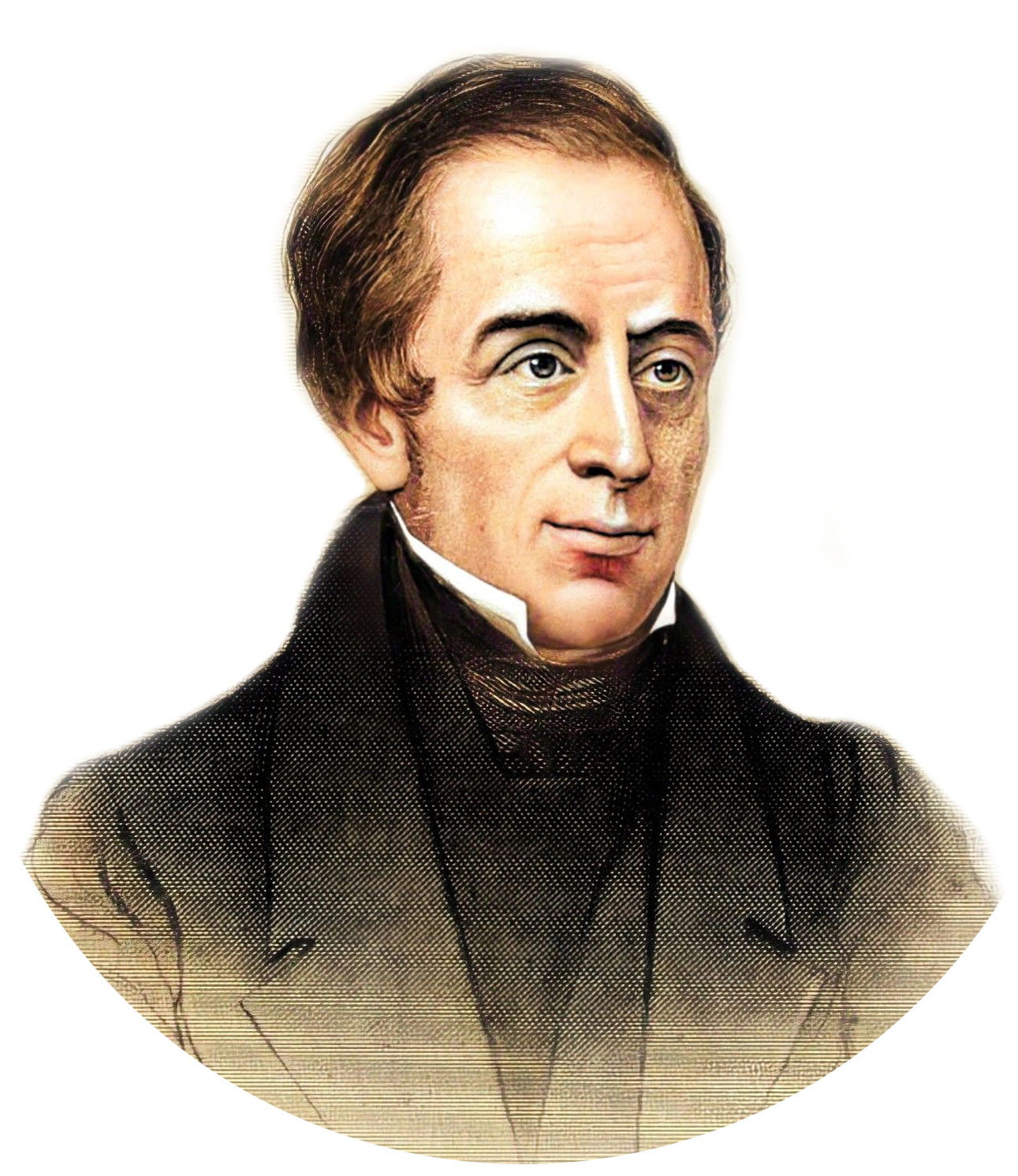
| 13 Quotes | |
| Occup. | Poet |
| From | England |
| Born | May 23, 1799 London, England |
| Died | May 3, 1845 London, England |
| Aged | 45 years |
| Cite | |
Citation Formats
APA Style (7th ed.)
Thomas hood biography, facts and quotes. (2026, February 11). FixQuotes. https://fixquotes.com/authors/thomas-hood/
Chicago Style
"Thomas Hood biography, facts and quotes." FixQuotes. February 11, 2026. https://fixquotes.com/authors/thomas-hood/.
MLA Style (9th ed.)
"Thomas Hood biography, facts and quotes." FixQuotes, 11 Feb. 2026, https://fixquotes.com/authors/thomas-hood/. Accessed 12 Feb. 2026.
Early Life and Background
Thomas Hood was born on 23 May 1799 in London, in the long wake of the French Revolution and amid the anxieties of the Napoleonic wars. He grew up as the city was becoming the capital of industrial modernity - crowded, commercially inventive, and increasingly divided between glittering wealth and grinding poverty. His father, also named Thomas Hood, worked in the book trade and moved in the practical world of printing and publishing; that proximity to paper, type, and the rhythms of hackwork would later shape the poet's sense that literature was both vocation and livelihood.The younger Hood's childhood was marked by intermittent illness and the need to earn early. After his father died in 1811, the family's finances tightened, and Hood was apprenticed to a merchant in Cheapside. The work did not suit him: the countinghouse demanded steadiness and repetition, while his mind ran toward wordplay, drawing, and the quick, noticing eye of the city stroller. He was also sent for periods to Scotland for his health, where a sharper landscape and a slower tempo offered him the contrast that later let him write London with a keen, almost documentary tenderness.
Education and Formative Influences
Hood was not formed by university but by print culture: newspapers, circulating libraries, the theater, and the omnipresent new magazine market of the Regency. He drifted from commerce toward letters and art, studying engraving with the Le Keux family, which trained his visual imagination and his feel for line, shading, and caricature. In literature he absorbed the Romantics - especially the melodic melancholy of Keats and the narrative ease of Scott - yet he also learned from Augustan satire and the urban wit of earlier Londoners, building a voice that could swing from song to squib without losing its moral center.Career, Major Works, and Turning Points
Hood entered professional authorship through periodicals, first contributing to the London Magazine in the early 1820s and publishing his first book, Odes and Addresses to Great People (1825), a joint burlesque that made his name as a punster with a critic's ear for public pretension. He followed with the immensely popular Whims and Oddities (1826-1827), then edited The Comic Annual (1830-1842), becoming a central figure in the humorous press during an age that prized lightness but also demanded topical bite. A decisive turn came in the 1840s, when chronic illness, debt, and political agitation drew his talent toward social witness: "The Song of the Shirt" (1843) and "The Bridge of Sighs" (1844) fused lyric craft with the industrial city's human cost, proving that the same writer who could pun brilliantly could also speak for the voiceless with controlled indignation and grief.Philosophy, Style, and Themes
Hood's inner life is best understood as a tension between play and pain. His comedy was not mere froth but a defense mechanism and a moral instrument - a way to keep despair speakable and to expose cant without sermonizing. He distrusted fashionable groupthink and the gullibility of crowds, and his satire often implies a hard-earned anthropology: "A certain portion of the human race has certainly a taste for being diddled". That sentence is funny because it is true, but it is also lonely - the laughter of a man who has watched systems sell comfort while ignoring suffering.Stylistically, he married verbal agility to visual perception. The engraver's training sharpened his scenes of weather and season into something like etched plates, and his nature writing often carries a metropolitan consciousness that reads landscape as mood and time as pressure. When he writes, "I saw old Autumn in the misty morn stand shadowless like silence, listening to silence". , he is describing more than a morning - he is staging the hush before loss, the stillness that illness and poverty impose. Yet he also remained alert to the appetite of the reading public and the economics of attention: "There are three things which the public will always clamor for, sooner or later: namely, novelty, novelty, novelty". That knowingness shaped his career, pushing him to keep inventing forms - pun, parody, ballad, social lyric - while guarding the deeper aim: to make empathy contagious in an era that often treated people as units of labor.
Legacy and Influence
Hood died on 3 May 1845 in London, mourned widely and supported in his final years by public subscription - a rare acknowledgment that his wit had been public service. His enduring influence lies in the bridge he built between comic writing and serious social poetry, helping widen what Victorian verse could address without losing musicality or craft. Later writers of urban realism, social satire, and the compassionate lyric found in him a precedent for mixing entertainment with conscience, and his best poems remain touchstones for how art can render industrial suffering visible without stripping it of dignity.Our collection contains 13 quotes written by Thomas, under the main topics: Witty One-Liners - Ethics & Morality - Nature - Reason & Logic - Legacy & Remembrance.
Other people related to Thomas: Thomas Campbell (Poet), Richard Harris Barham (Comedian)
Thomas Hood Famous Works
- 1843 The Song of the Shirt (Poem)
- 1840 Miss Kilmansegg and Her Precious Leg (Poem)
- 1839 Hood's Own: or, Laughter from Year to Year (Book)
- 1834 Tylney Hall (Novel)
- 1829 The Epping Hunt (Poem)
- 1827 The Plea of the Midsummer Fairies (Poem)
- 1827 National Tales (Book)
- 1826 Whims and Oddities (Book)
Source / external links