
Thomas Keller Biography Quotes 30 Report mistakes
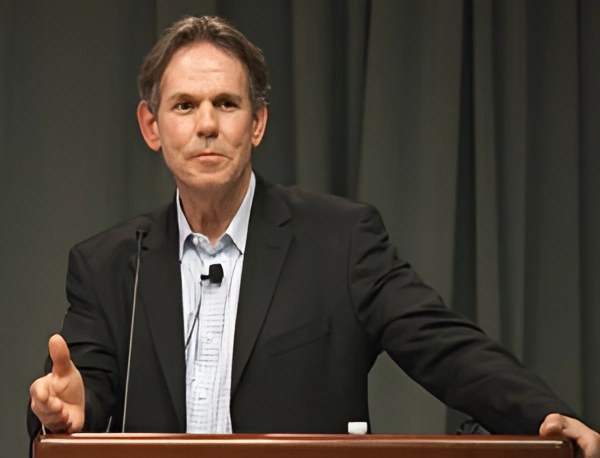
| 30 Quotes | |
| Occup. | Celebrity |
| From | USA |
| Born | October 14, 1955 |
| Age | 70 years |
| Cite | |
Citation Formats
APA Style (7th ed.)
Thomas keller biography, facts and quotes. (2026, February 11). FixQuotes. https://fixquotes.com/authors/thomas-keller/
Chicago Style
"Thomas Keller biography, facts and quotes." FixQuotes. February 11, 2026. https://fixquotes.com/authors/thomas-keller/.
MLA Style (9th ed.)
"Thomas Keller biography, facts and quotes." FixQuotes, 11 Feb. 2026, https://fixquotes.com/authors/thomas-keller/. Accessed 28 Mar. 2026.
Early Life and Background
Thomas Aloysius Keller was born on October 14, 1955, in the United States, and came of age during the postwar boom years when dining out was becoming both more democratic and more aspirational. Long before his name became shorthand for American fine dining, he was shaped by the everyday rituals of hospitality - the small disciplines of timeliness, cleanliness, and consideration that make a guest feel noticed. That sense of service, more than early glamour, became the emotional core of his later celebrity: he learned to equate excellence with care.Keller has often presented his origin story without mythmaking: a young man drawn to kitchens less by pedigree than by the chance to be useful, to work with his hands, and to earn trust. In an era when American restaurants were still measuring themselves against European standards, he absorbed a distinctly American hunger for improvement - the idea that craft could be built through repetition, critique, and relentless refinement. The result was a personality both exacting and unusually tender about what restaurants are for: to create a temporary home for strangers.
Education and Formative Influences
Keller did not follow a conventional culinary-school pipeline. Instead, his education was stitched together through work, observation, and self-imposed standards, learning kitchens from the inside out and treating each station as an apprenticeship in timing and judgment. This practical formation mattered because it trained him to respect systems as much as inspiration: organization, sourcing, and staff culture were not background details but the engine of consistency. His formative influences were thus as much about professional behavior and mentorship as they were about technique - a belief that taste is inseparable from preparation, and preparation from leadership.Career, Major Works, and Turning Points
Keller rose to prominence by transforming American expectations of what a restaurant could be, eventually becoming most identified with The French Laundry in Yountville, California, a destination that helped define late-20th-century American fine dining through tasting menus, obsessive ingredient standards, and a quietly theatrical sense of occasion. His career turning points were marked by an insistence on mastery at every layer: the supply chain, the choreography of service, the training of cooks, and the constant re-editing of dishes until they expressed clarity rather than cleverness. Alongside the restaurants came a public-facing body of work in cookbooks and media that translated a private culture of rigor into narratives about craft, and in doing so elevated him from acclaimed chef to broader celebrity - a symbol of American excellence that still acknowledged its own sources in humility, repetition, and team labor.Philosophy, Style, and Themes
Keller's psychology as a chef is rooted in aspiration without defensiveness: he frames authority as something earned through learning rather than declared through credentials. “I have no formal culinary training, right”. That statement is not false modesty so much as a personal creed - it keeps him oriented toward curiosity, revision, and the idea that legitimacy comes from standards lived daily. It also helps explain the paradox of his public image: he embodies refinement, yet he refuses to treat refinement as a birthright. He trusts foundations, repetition, and the discipline of taste, seeing technique as liberation rather than constraint. “Once you understand the foundations of cooking - whatever kind you like, whether it's French or Italian or Japanese - you really don't need a cookbook anymore”. In Keller's world, the goal is internalized judgment: the cook becomes the book.His style, often associated with pristine presentation and meticulous sourcing, is ultimately a style of relationship. He repeatedly returns to the idea that excellence is social - built among cooks, farmers, purveyors, servers, and guests in a chain of mutual dependence. “In any restaurant of this caliber, the chefs are in the same position, building relationships”. The line reveals how he manages pressure: by turning competition into community and mastery into stewardship, a way of calming the anxieties of perfectionism through shared purpose. Underneath the polish is a fundamentally empathetic thesis: a great meal is not merely executed, it is given - a transfer of attention from one human to another, where rigor becomes a form of generosity.
Legacy and Influence
Keller's enduring influence lies in professionalizing American fine dining while preserving its emotional aim: to make guests feel cared for through relentless detail. He helped normalize tasting-menu ambition in the United States, pushed ingredient sourcing into the center of culinary identity, and modeled a kitchen culture where precision and mentorship are inseparable. As a celebrity, he broadened the public's vocabulary for craft, making discipline legible and even romantic, yet his deeper legacy is quieter - the generations of chefs trained to see leadership as standards plus patience, and to treat "perfect" not as a finish line but as a daily practice of attention.Our collection contains 30 quotes written by Thomas, under the main topics: Wisdom - Writing - Book - Customer Service - Free Will & Fate.
Source / external links