
Thomas Kempis Biography Quotes 32 Report mistakes
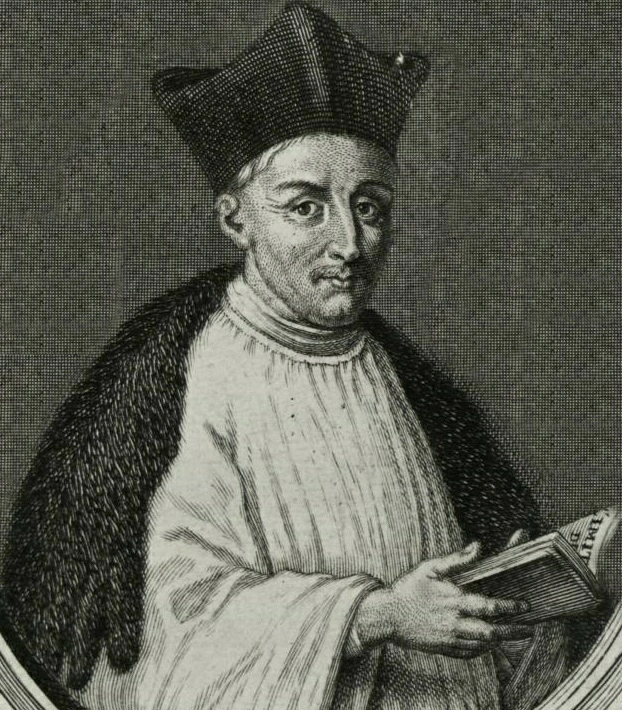
| 32 Quotes | |
| Born as | Thomas Hemerken |
| Known as | Thomas a Kempis |
| Occup. | Writer |
| From | Germany |
| Born | Kempen |
| Died | July 25, 1471 Zwolle |
| Cite | |
Citation Formats
APA Style (7th ed.)
Thomas kempis biography, facts and quotes. (2026, February 11). FixQuotes. https://fixquotes.com/authors/thomas-kempis/
Chicago Style
"Thomas Kempis biography, facts and quotes." FixQuotes. February 11, 2026. https://fixquotes.com/authors/thomas-kempis/.
MLA Style (9th ed.)
"Thomas Kempis biography, facts and quotes." FixQuotes, 11 Feb. 2026, https://fixquotes.com/authors/thomas-kempis/. Accessed 11 Feb. 2026.
Early Life and Background
Thomas of Kempen was born Thomas Hemerken around 1380 in Kempen, a small Rhineland town in the Holy Roman Empire (in present-day Germany). His surname, meaning "little hammer", hints at artisan roots rather than noble patronage. He entered a Europe unsettled by the aftershocks of plague, recurrent wars, and an embattled Church marked by the Great Western Schism (1378-1417) - a climate that made private devotion and moral certainty feel urgently practical.In youth he left Kempen for Deventer in the Low Countries, crossing not only borders but religious sensibilities. Deventer was a magnet for a new kind of piety: lay-minded, text-centered, disciplined, and suspicious of spiritual showmanship. That world suited his temperament. Even before he became a vowed religious, the trajectory of his life angled away from public ambition and toward an interior workshop of conscience, memory, and prayer.
Education and Formative Influences
In Deventer he encountered the Brothers of the Common Life, the reform movement associated with Geert Groote and later Florens Radewijns, who combined communal living, schooling, and the copying of books with a program of affective devotion. Thomas studied Latin and the liturgy and learned the patient craft of the scribe - a training that shaped his prose: compact, rhythmically balanced, and built for rereading. The Brothers' educational ideal was not brilliance for its own sake but conversion through habits, and it formed in him a lifelong suspicion of curiosity detached from humility.Career, Major Works, and Turning Points
Around 1399 Thomas joined the Augustinian Canons Regular at Mount St. Agnes near Zwolle and spent most of his long life there, dying on 1471-07-25. He was ordained a priest (early 15th century), served as subprior and novice master, and repeatedly returned to the monastery's most enduring labor - copying manuscripts, including, by tradition, a complete Bible. His era prized institutional reform and communal discipline, and he participated quietly through spiritual writing rather than polemics. He is closely associated with the Devotio Moderna and is widely regarded as the principal author of "The Imitation of Christ" (compiled early 15th century), alongside other works such as the "Chronicon Montis Sanctae Agnetis" and devotional treatises and sermons that circulate under his name; in all, he translated monastic routine into portable counsel for the heart.Philosophy, Style, and Themes
Thomas wrote for readers who felt the strain between outward religiosity and inward truth. His psychology is built on the conviction that attention is destiny - what you cling to shapes what you become. "A man is hindered and distracted in proportion as he draws outward things to himself". This is not escapism so much as triage: in a crowded late-medieval world of images, commerce, and ecclesiastical conflict, he treats distraction as a spiritual illness and recollection as medicine. Even his authorial voice models this cure: spare sentences, frequent imperatives, and a cadence that sounds like a confessor speaking to himself.Yet his interiority is not solipsistic; it is ethical. He repeatedly returns to the hard work of self-judgment before judging others, as if social peace begins in private honesty. "How seldom we weigh our neighbor in the same balance with ourselves". From that realism comes his preference for mercy over moral exhibition, and his sense that knowledge without compassion is a deformation. "Be assured that if you knew all, you would pardon all". The cumulative theme is a disciplined tenderness: a spirituality that distrusts display, trains the will through small obediences, and insists that true devotion is proven in patience, charity, and a conscience kept clear.
Legacy and Influence
Thomas of Kempen became one of the most read Christian writers in Europe because he distilled monastic wisdom into a language that traveled: first in manuscript culture, then explosively in print. "The Imitation of Christ" in particular shaped late-medieval devotion, fed Catholic reform currents, and later spoke across confessional lines to Catholics, Anglicans, and Protestants who recognized its intense Christ-centeredness and moral practicality. His influence is less institutional than intimate: he helped normalize the idea that serious spiritual life could be pursued through daily self-examination, disciplined reading, and quiet acts of charity - a legacy that outlived the cloister walls of Mount St. Agnes and continues wherever inwardness is treated not as retreat, but as responsibility.Our collection contains 32 quotes written by Thomas, under the main topics: Ethics & Morality - Wisdom - Truth - Love - Mortality.
Other people related to Thomas: Thomas a Kempis (Writer)
Frequently Asked Questions
- Is Thomas a Kempis a saint: He is not officially canonized as a saint in the Catholic Church.
- Thomas a Kempis Imitation of Christ: The Imitation of Christ is his most famous work, a spiritual classic that focuses on the life and teachings of Jesus Christ.
- How did Thomas a Kempis die: He died of natural causes in 1471 at the Mount St. Agnes monastery in the Netherlands.
- Thomas a Kempis quotes: One famous quote is, 'All is vanity except to love God and serve Him only.'
- Thomas a Kempis beliefs: He emphasized humility, devotion, and the imitation of Christ's life, focusing on inner spirituality over external practices.
- Was Thomas a Kempis Catholic: Yes, he was a Catholic monk and part of the Modern Devotion movement within the Catholic Church.
- Thomas a Kempis Protestant: Thomas a Kempis was not Protestant; he was a Catholic monk and writer before the Protestant Reformation.
- Why was Thomas a Kempis buried alive: There is a legend that during the canonization process, signs of Thomas potentially being buried alive were noted. However, this is a subject of historical debate and not confirmed.
Thomas Kempis Famous Works
- 1450 The Garden of Roses (Book)
- 1420 The Chronicle of the Canons Regular of Mount St. Agnes (Book)
- 1418 The Imitation of Christ (Book)
Source / external links