
Thomas Kinkade Biography Quotes 7 Report mistakes
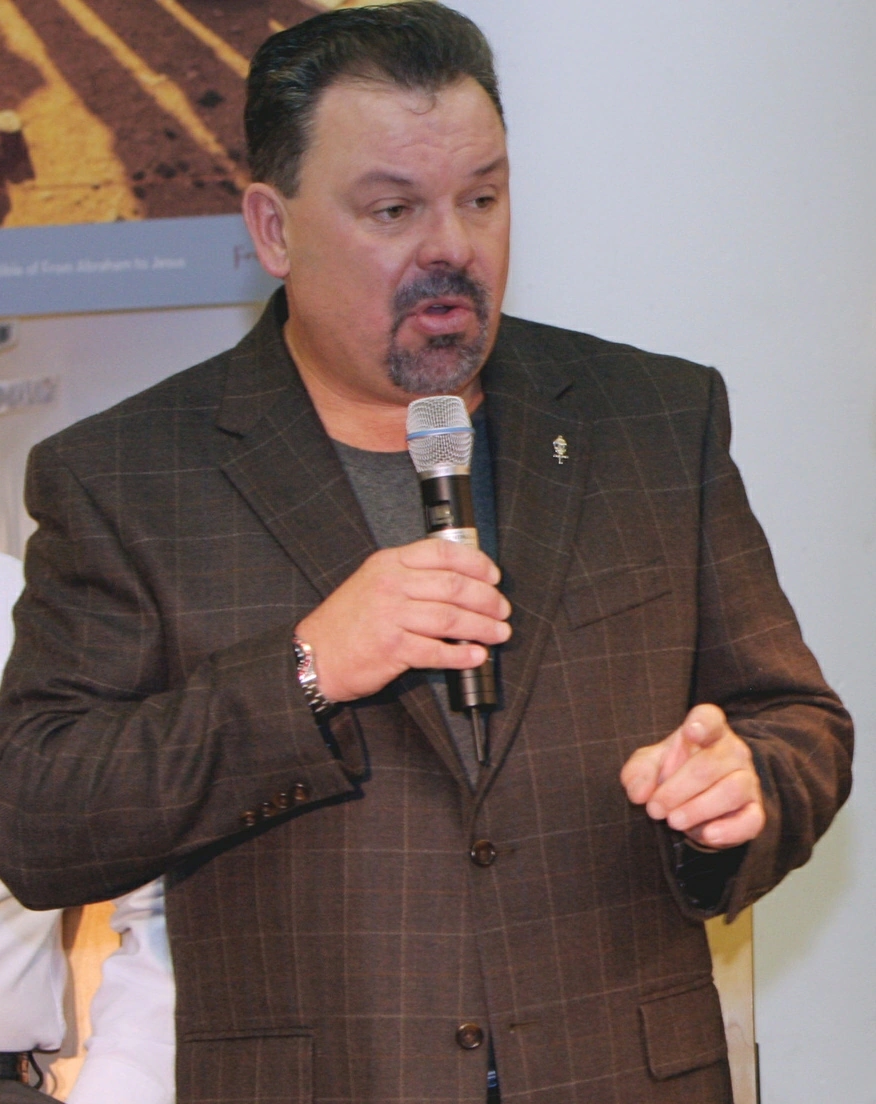
| 7 Quotes | |
| Occup. | Artist |
| From | USA |
| Born | January 19, 1958 Sacramento, California, USA |
| Died | April 6, 2012 Los Gatos, California, USA |
| Cause | Natural causes |
| Aged | 54 years |
| Cite | |
Citation Formats
APA Style (7th ed.)
Thomas kinkade biography, facts and quotes. (2026, February 11). FixQuotes. https://fixquotes.com/authors/thomas-kinkade/
Chicago Style
"Thomas Kinkade biography, facts and quotes." FixQuotes. February 11, 2026. https://fixquotes.com/authors/thomas-kinkade/.
MLA Style (9th ed.)
"Thomas Kinkade biography, facts and quotes." FixQuotes, 11 Feb. 2026, https://fixquotes.com/authors/thomas-kinkade/. Accessed 27 Mar. 2026.
Early Life and Background
Thomas Kinkade was born January 19, 1958, in Sacramento, California, and grew up largely in the nearby foothill town of Placerville. His childhood was shaped by the tensions of postwar American optimism sliding into late-1960s unease - a period when suburbia, television, and the marketplace increasingly defined public taste, while the fine-art establishment tightened its gatekeeping in museums and coastal galleries. In that split between popular appetite and institutional approval, Kinkade would eventually build a career that felt, to admirers, like refuge.Family instability and modest means helped form his early hunger for both security and recognition. He drew and painted obsessively, learning early that images could create order - a lit window, a lamplit path, a cottage garden - when life felt less controllable. Those motifs were not accidental decoration later; they were emotional architecture, rehearsed from youth into a signature promise that home, warmth, and belonging could be conjured and held.
Education and Formative Influences
Kinkade studied art formally in California, including training at the Art Center College of Design in Pasadena, where he absorbed commercial illustration discipline alongside traditional landscape technique. He also studied under painter Glenn Wessels, who emphasized design and pictorial structure - lessons that later reappeared in Kinkade's careful staging of pathways, bridges, and luminous focal points. The era's art conversation favored irony and rupture, but Kinkade was more interested in persuasion, legibility, and the craft of enchantment - borrowing from the Hudson River tradition, Victorian narrative charm, and the cinematic lighting of illustration.Career, Major Works, and Turning Points
In the 1980s Kinkade moved toward professional illustration and publishing, gaining early visibility through work tied to inspirational and Americana themes, and later through collaborations and licensing that would become his defining business engine. He branded himself "Painter of Light", and by the 1990s built a mass-market empire: limited-edition prints, gallery franchises, home decor lines, and themed collections that turned his imagery into a domestic vocabulary. Signature series such as "The Lights of Peace", "Lamplight Village", and numerous cottage and Main Street scenes created a consistent world of glowing windows and softened edges. The turning point was not a single canvas but a system: the deliberate fusion of fine-art aesthetics with retail scale, making Kinkade one of the most commercially successful American painters of his time even as critics questioned the work's sentimentality and reproducibility. He died on April 6, 2012, in California, at age 54, after years in which public faith-centered branding, private turmoil, and the pressure of maintaining an image collided.Philosophy, Style, and Themes
Kinkade's philosophy was explicitly vocational: art as service, comfort, and moral atmosphere. In his own terms, “Balance, peace, and joy are the fruit of a successful life. It starts with recognizing your talents and finding ways to serve others by using them”. That sentence functions like a self-portrait - not of the solitary avant-gardist but of a craftsman-evangelist, measuring success by emotional effect on viewers. It also reveals his inner bargain: if he could reliably deliver peace, he could justify popularity, commerce, and repetition as ethical rather than merely profitable.Stylistically he engineered nostalgia with calculated clarity. His paintings are built from leading lines into light - paths, fences, streams, and lane-turns that guide the eye toward a radiant center, often a cottage or church, the literal and symbolic hearth. He spoke about immersion as method: “I'm working on a snow scene right now, and it's summer. It's hot, and I will get chilly... it's a projection you have where you step into the painting”. Psychologically, that "stepping into" is the key: Kinkade used image-making as a managed refuge, a way to inhabit a world where weather, time, and conflict submit to intention. Yet he also carried the anxiety of completion and control - “It is easy to have a lot of paintings or projects hanging around that are 'almost done.'”. The line hints at perfectionism and the treadmill of demand, the risk that the comforting world must be endlessly produced, endlessly finalized, to keep its promise.
Legacy and Influence
Kinkade's legacy is inseparable from the cultural argument he provoked: whether mass love disqualifies art, or whether consolation has its own aesthetic dignity. He normalized the artist as brand in late-20th-century America, pioneering a franchise-and-licensing model that many creators later adopted in different forms, from gallery merchandising to online direct-to-fan economies. For admirers, his enduring influence lies in the permission to want beauty without irony and to treat a picture as emotional shelter; for detractors, he remains a case study in kitsch, commercialization, and the tension between authenticity and marketing. Either way, the "Painter of Light" remains a defining figure of his era - not because he won the art world's argument, but because he made the argument impossible to ignore.Our collection contains 7 quotes written by Thomas, under the main topics: Art - Success - Vision & Strategy - Prayer.
Source / external links