
Thomas Moore Biography Quotes 23 Report mistakes
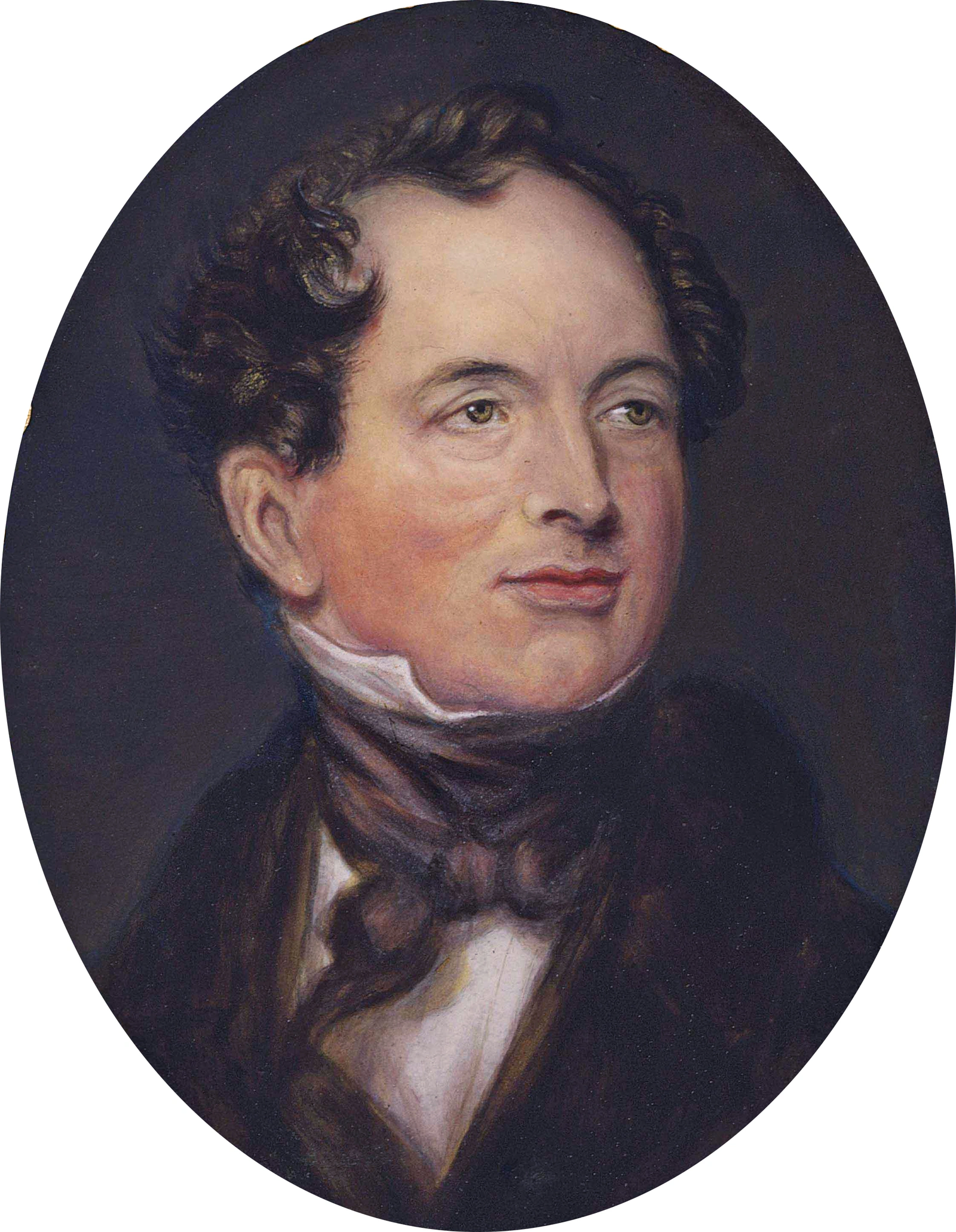
Attr: After Thomas Lawrence
| 23 Quotes | |
| Occup. | Poet |
| From | Ireland |
| Born | May 28, 1779 Ireland |
| Died | February 25, 1852 Dublin, Ireland |
| Cause | Natural Causes |
| Aged | 72 years |
| Cite | |
Citation Formats
APA Style (7th ed.)
Thomas moore biography, facts and quotes. (2026, February 11). FixQuotes. https://fixquotes.com/authors/thomas-moore/
Chicago Style
"Thomas Moore biography, facts and quotes." FixQuotes. February 11, 2026. https://fixquotes.com/authors/thomas-moore/.
MLA Style (9th ed.)
"Thomas Moore biography, facts and quotes." FixQuotes, 11 Feb. 2026, https://fixquotes.com/authors/thomas-moore/. Accessed 1 Apr. 2026.
Early Life and Background
Thomas Moore was born on 28 May 1779 in Dublin, the eldest surviving son of John Moore, a prosperous grocer and wine-merchant, and Anastasia Codd. He grew up in a Catholic household in a city still marked by the Penal era's aftershocks, where public advancement and private self-fashioning often required agility. That early lesson in social navigation would later surface in Moore's career-long ability to move between political factions and drawing rooms without fully belonging to any of them.Dublin in Moore's youth was a crucible of rhetoric - parliamentarian display, street agitation, and the rising hopes that would culminate in the 1798 rebellion and the Act of Union (1800). Moore was too young and too cautious to become a rebel, yet too Irish to ignore the moral claims of his country's grievances. The tension between sympathy and self-preservation - between public song and private anxiety - became a central motor of his life: he would be celebrated as a national voice while simultaneously courting patronage within the British establishment.
Education and Formative Influences
He entered Trinity College Dublin in 1794, a Catholic student in an Anglican institution, absorbing the classics and the rhetorical arts that would shape his later blend of melody and polish. The intellectual weather of the 1790s - Burkean reaction, revolutionary idealism, the surveillance of dissent - trained him to encode feeling within art rather than manifesto. Early verse and translations showed a facility for musical stanza and an instinct for performance, and his move to London after graduating placed him amid theatrical, literary, and political networks eager for wit, lyric grace, and safely managed "Irishness".Career, Major Works, and Turning Points
Moore quickly became a metropolitan celebrity poet: he published Odes and Epistles (1806), then the hugely popular Irish Melodies (from 1808 onward), wedding new lyrics to traditional airs and helping define how Ireland would be sentimentally imagined across the English-speaking world. A Bermuda appointment as registrar of the Admiralty (1803) ended in his return to Europe and an eventual financial scandal when a deputy embezzled funds - a humiliating episode that haunted him and sharpened his dependence on steady production and powerful friends. His long romance-oriental verse Lalla Rookh (1817) made him internationally famous, while his political satires, especially the Intercepted Letters (1813), proved he could sting as well as soothe. Later he turned to biography and editorship - most notably his Life of Byron (1830) and the publication of Byron's letters and journals after the poet's death - and to history with The History of Ireland (1835-46), works shaped by the responsibilities of reputation, evidence, and a public hungry for narrative authority.Philosophy, Style, and Themes
Moore's art is built on the conviction that song can carry arguments that prose cannot. His finest lyrics turn private emotion into collective memory, using refrains and emblematic images - flowers, thorns, twilight partings - to make history feel intimate. The mood is rarely simple: sweetness is shadowed by loss, and tenderness is never free of foreknowledge. His line, “And the heart that is soonest awake to the flowers is always the first to be touch'd by the thorns”. is not merely decorative melancholy; it is a psychological self-portrait of a man whose sensitivity functioned as both antenna and wound, always registering the costs of attachment, fame, and politics.At the same time, Moore distrusted loud abstractions and theatrical virtue, especially when liberty became a costume for power. His political imagination - sharpened by Ireland's subordination and by Britain's wars and repressions - could flare into moral clarity: “Bastard Freedom waves Her fustian flag in mockery over slaves”. That bitterness sits beside an equally strong ethic of inward discipline, voiced in his praise of moral modesty: “Humility, that low, sweet root, from which all heavenly virtues shoot”. Together these lines illuminate his balancing act: a poet of charm who feared the falsity of slogans, a public man who understood that persuasion often begins as self-command. Even in his Byron work, Moore's instinct was to stage passion within forms that society could receive - a strategy born of Catholic outsiderhood and sustained by an ear trained to make discomfort sound like melody.
Legacy and Influence
Moore died on 25 February 1852 in Sloperton Cottage near Devizes, Wiltshire, after years of failing memory and withdrawal, and was buried in Bromham, not in Ireland - a quiet coda to a life spent between nations. His reputation has risen and fallen with tastes: Victorian readers adored him; modernists often dismissed him as too polished. Yet Irish Melodies helped set the template for nationalist lyric, for the fusion of folk tune and authored text, and for a mode of political feeling that travels through the domestic voice rather than the platform speech. As biographer, he shaped the early Byron myth; as a lyricist, he proved that the "light" song can carry historical weight, and that a nation's emotional history may be preserved not only in documents, but in what people find themselves humming.Our collection contains 23 quotes written by Thomas, under the main topics: Witty One-Liners - Motivational - Ethics & Morality - Wisdom - Friendship.
Other people related to Thomas: Countess of Blessington (Novelist), Hal Stratton (Lawyer)
Thomas Moore Famous Works
- 1824 Memoirs of Captain Rock (Novel)
- 1823 The Loves of the Angels (Poem)
- 1817 Lalla Rookh (Poem)
- 1808 Irish Melodies (Song Lyrics)
- 1800 Odes of Anacreon (Poetry Translation)
Source / external links