
Thomas Sowell Biography Quotes 48 Report mistakes
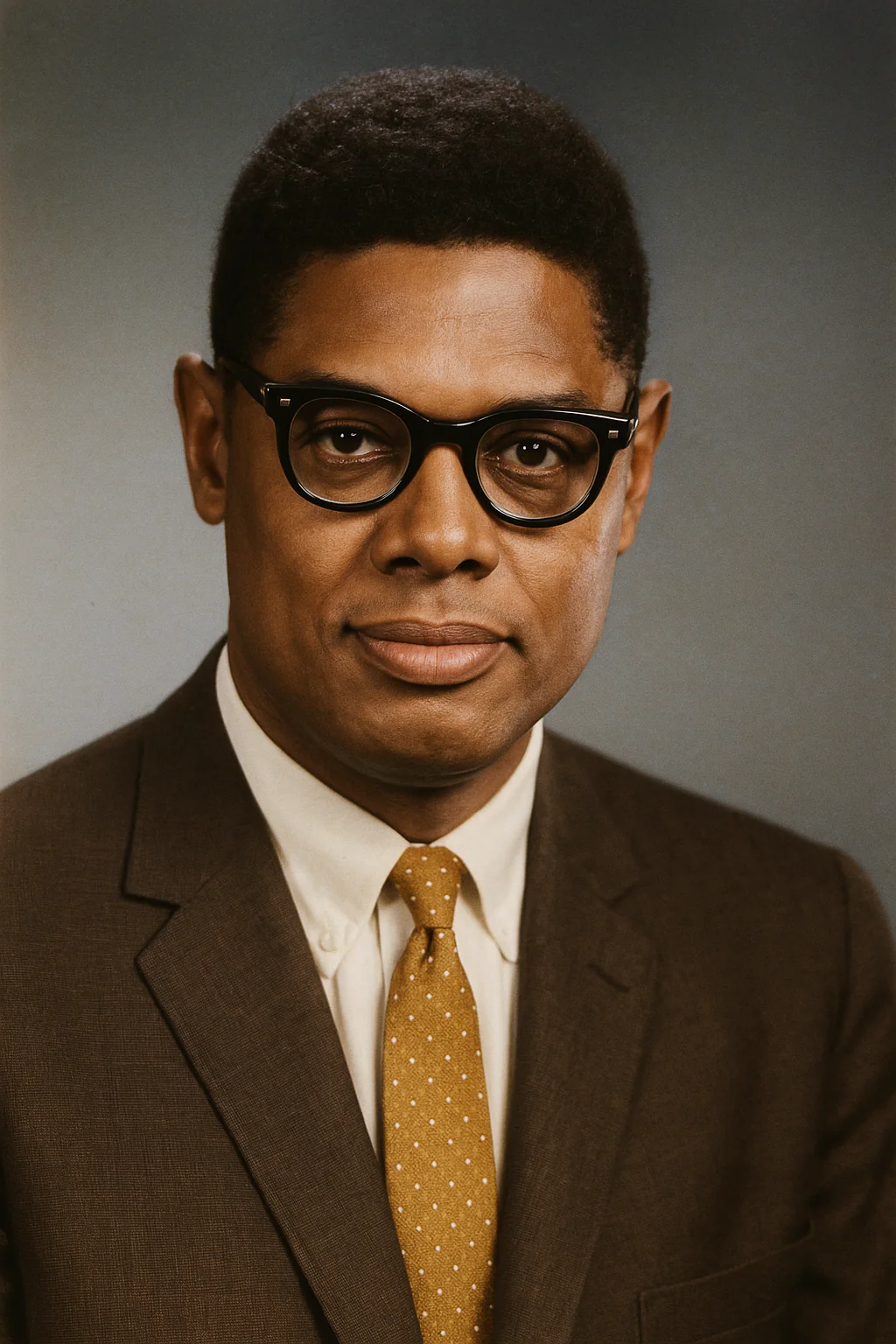
| 48 Quotes | |
| Occup. | Economist |
| From | USA |
| Spouses | Alma Parr (1964-1975) Mary Ash (1981) |
| Born | June 30, 1930 Gastonia, North Carolina, USA |
| Age | 95 years |
| Cite | |
Citation Formats
APA Style (7th ed.)
Thomas sowell biography, facts and quotes. (2026, February 2). FixQuotes. https://fixquotes.com/authors/thomas-sowell/
Chicago Style
"Thomas Sowell biography, facts and quotes." FixQuotes. February 2, 2026. https://fixquotes.com/authors/thomas-sowell/.
MLA Style (9th ed.)
"Thomas Sowell biography, facts and quotes." FixQuotes, 2 Feb. 2026, https://fixquotes.com/authors/thomas-sowell/. Accessed 26 Mar. 2026.
Early Life and Background
Thomas Sowell was born on June 30, 1930, in Gastonia, North Carolina, into the hard-edged reality of the Great Depression and Jim Crow. Orphaned early and raised by relatives, he was shaped less by romance about American opportunity than by the daily arithmetic of rent, food, and the limits placed on Black life in the South. That formative pressure created a lifelong suspicion of abstract promises, especially when they collided with how people actually live.In his youth he moved with family to Harlem in New York City, where crowded streets, brittle institutions, and improvised community ties sharpened his eye for incentives and unintended consequences. Harlem offered both a ladder and a warning: talent existed in abundance, but outcomes were filtered through family structure, schooling, crime, and the quiet discipline required to seize a chance when it appeared. Those early years helped explain why, even at his most polemical, Sowell returned to concrete comparisons - who advances, who falls behind, and what tradeoffs are being denied by elegant rhetoric.
Education and Formative Influences
Sowell left high school, worked a string of jobs, served in the U.S. Marine Corps during the Korean War era, and then reentered academic life with uncommon intensity. He studied at Harvard University, earned a masters at Columbia University, and completed a PhD in economics at the University of Chicago, where price theory and the discipline of testing claims against evidence became central to his craft. Early sympathies with Marxism faded as he confronted how centralized schemes performed in practice and as he absorbed the Chicago tradition associated with Milton Friedman, George Stigler, and rigorous skepticism about government claims to expertise.Career, Major Works, and Turning Points
He taught economics at institutions including Cornell University and UCLA, and later became a long-running senior fellow at the Hoover Institution at Stanford University, where he built an influential public voice through books, syndication, and essays that fused economic reasoning with cultural and historical comparison. Among his best-known works are Knowledge and Decisions (1980), which argued that knowledge is dispersed and costly; Basic Economics, a widely read primer; A Conflict of Visions (1987), which framed political conflict as competing moral-psychological assumptions; and his extensive empirical studies on race, culture, and policy such as Race and Economics (1975), Ethnic America (1981), and later volumes on affirmative action and education. A major turning point in his public persona came as he moved from academic journal debates toward a broader audience, positioning himself as a critic of the welfare state, bureaucratic expansion, and elite opinion-making, while defending markets and civil society as information-processing systems that outperform centralized control.Philosophy, Style, and Themes
Sowell's worldview is built around constraints: scarcity, tradeoffs, and the fragility of social order. Instead of asking what policy aims are noblest, he insists on interrogating decision rights and error costs, a stance captured in his line, “The most basic question is not what is best, but who shall decide what is best”. Psychologically, this reveals an aversion to moral exhibitionism - the impulse to announce compassion while shifting risks onto others - and a preference for systems that force feedback, accountability, and learning. His writing repeatedly returns to the idea that the knowledgeable are not necessarily the wise, and that concentrated power reliably overestimates its own competence.His style is combative but method-driven: short sentences, sharp contrasts, and a prosecutorial use of examples drawn from history, education, labor markets, and crime. He treats sentimentality as a cognitive hazard, warning that “The problem isn't that Johnny can't read. The problem isn't even that Johnny can't think. The problem is that Johnny doesn't know what thinking is; he confuses it with feeling”. That line is less about children than about adults - a critique of politics as therapy and of public discourse that rewards emotion over causality. Likewise, his long war with administrative sprawl is condensed into a psychological portrait of officialdom: “You will never understand bureaucracies until you understand that for bureaucrats procedure is everything and outcomes are nothing”. The animating theme is moral humility: good intentions do not validate bad incentives, and policies must be judged by results, not by the self-image of those who design them.
Legacy and Influence
Sowell endures as one of the most consequential American public intellectuals of the late 20th and early 21st centuries, influencing conservative and libertarian thought while also provoking sustained rebuttal from progressive economists and historians. His legacy lies in making economics feel like a street-level discipline - about constraints, comparisons, and second-order effects - and in insisting that cultural explanations and institutional incentives can matter as much as prejudice or money. Admirers credit him with arming lay readers against fashionable certainties; critics argue he underrates structural injustice and overstates the corrective power of markets. Either way, his body of work has become a durable reference point in arguments over education, welfare, race, immigration, and the limits of state expertise, ensuring that debates about policy and human nature continue to pass through categories he helped popularize.Our collection contains 48 quotes written by Thomas, under the main topics: Witty One-Liners - Ethics & Morality - Truth - Wisdom - Justice.
Frequently Asked Questions
- Thomas Sowell wife: Married to Mary Ash since 1981; previously married to Alma Jean Parr (1964–1975).
- Thomas Sowell: Trump: Criticized Trump in 2015–16 and backed Ted Cruz; later remained critical of Trump’s rhetoric while supporting many conservative policies.
- Thomas Sowell education: Harvard AB (1958); Columbia MA (1959); University of Chicago PhD in economics (1968).
- What is Thomas Sowell doing now: As of 2025, senior fellow at the Hoover Institution (Stanford); retired from his syndicated column (since 2016); occasionally publishes books and gives interviews.
- Thomas Sowell books: Basic Economics; A Conflict of Visions; Intellectuals and Society; Knowledge and Decisions; Black Rednecks and White Liberals; Discrimination and Disparities; Wealth, Poverty and Politics; Charter Schools and Their Enemies; Social Justice Fallacies.
- How old is Thomas Sowell? He is 95 years old
Source / external links