
Tiberius Biography Quotes 5 Report mistakes
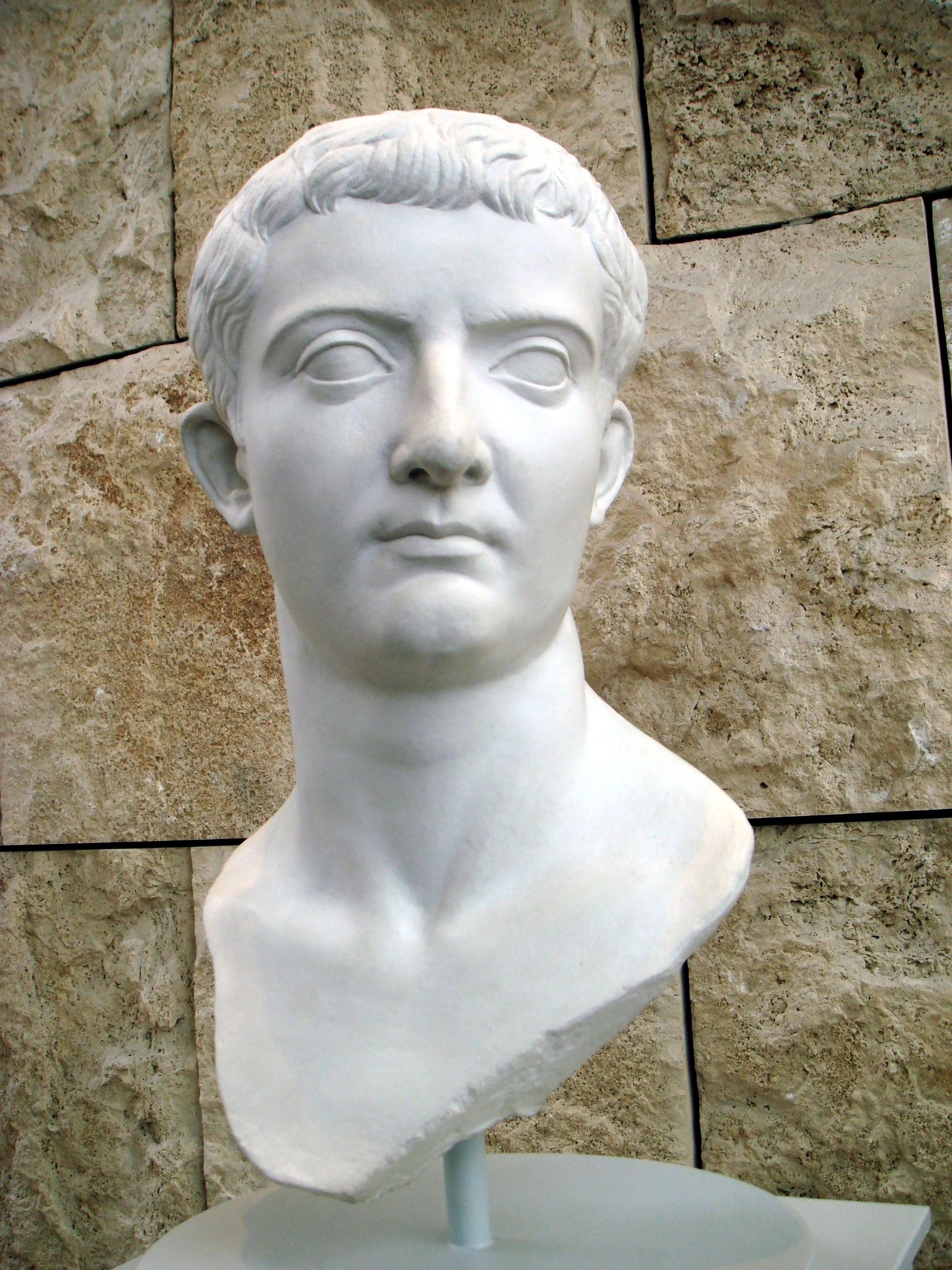
| 5 Quotes | |
| Born as | Tiberius Julius Caesar Augustus |
| Occup. | Statesman |
| From | Rome |
| Born | 42 BC Rome |
| Died | 37 AC Misenum |
| Cite | |
Citation Formats
APA Style (7th ed.)
Tiberius biography, facts and quotes. (2026, February 11). FixQuotes. https://fixquotes.com/authors/tiberius/
Chicago Style
"Tiberius biography, facts and quotes." FixQuotes. February 11, 2026. https://fixquotes.com/authors/tiberius/.
MLA Style (9th ed.)
"Tiberius biography, facts and quotes." FixQuotes, 11 Feb. 2026, https://fixquotes.com/authors/tiberius/. Accessed 5 Mar. 2026.
Early Life and Background
Tiberius Julius Caesar Augustus was born Tiberius Claudius Nero in 42 BCE, into the old Claudian aristocracy at a moment when Rome was sliding from republic to autocracy. His father, also named Tiberius Claudius Nero, fought on the losing side after Julius Caesar's assassination; his mother, Livia Drusilla, soon became the hinge between defeated nobles and the new order. When Octavian compelled Livia's divorce and married her in 38 BCE, the boy was pulled into the household of the future Augustus - a family made and remade by politics, where affection could not be separated from utility.That early displacement shaped him. Ancient sources describe a reserved, wary temperament, sharpened by the knowledge that survival depended on discipline and silence. He grew up watching Augustus turn civil war into peace through patronage, law, and spectacle, yet also through a careful management of rivals. Tiberius learned that in the Principate, bloodline opened doors but did not guarantee safety, and that the language of republican institutions could conceal an imperial reality.
Education and Formative Influences
Raised among the highest circles, Tiberius received the standard elite training in rhetoric, law, and Greek culture, but his strongest formation came through service. Augustus groomed him as a commander-administrator: campaigns in Spain and the Alpine regions, then the hard schooling of the Rhine frontier, where logistics, discipline, and negotiated settlements mattered as much as battlefield courage. His marriage in 19 BCE to Vipsania Agrippina - happy by most accounts - ended when Augustus ordered him to divorce and marry Julia, Augustus' daughter, binding him tighter to the dynasty while breeding private bitterness that later colored how he treated intimacy and trust.Career, Major Works, and Turning Points
Tiberius' career ran on competence and reluctant elevation. He won victories in Pannonia and Dalmatia, regained Roman standards from Germanic foes, and after the disaster of Varus in 9 CE he stabilized the Rhine with restraint rather than revenge, backing Germanicus while refusing reckless expansion. In 6 BCE he abruptly withdrew to Rhodes, a self-imposed exile that looked like sulking to some and self-preservation to others; only the deaths of Augustus' grandsons Gaius and Lucius made him indispensable again. Adopted by Augustus in 4 CE, granted tribunician and proconsular powers, he succeeded peacefully in 14 CE. As princeps he leaned on procedure, finances, and delegation, but the later years grew darker: the treason trials (maiestas) multiplied, the Praetorian prefect Sejanus rose and fell in 31, and Tiberius increasingly ruled from Capri, issuing letters while fear and favoritism warped Rome. He died in 37 CE, leaving the imperial machine intact but the public mood poisoned.Philosophy, Style, and Themes
Tiberius governed as a man who distrusted both crowds and courtiers. He believed the emperor's first task was custodianship - to preserve Rome's resources, keep provinces orderly, and avoid theatrical extravagance. His financial caution was not mere stinginess; it was a theory of rule that measured legitimacy in stability. “It is the duty of a good shepherd to shear his sheep, not to skin them”. The line captures his best self: a ruler who wanted taxes predictable, administration clean, and provincial exploitation limited, even if his severity made him unloved.Yet he was also a product of a paranoid age in which one scandal could be fatal. He demanded respect more than affection, and he could accept hatred as the price of order: “Let them hate me, provided they respect my conduct”. Psychologically, that is the voice of a man trained to suppress vulnerability - a princeps who equated popularity with danger, and who preferred the cold safety of principle to the warm risks of charm. His public persona became a shield: laconic, legalistic, and quick to retreat behind the Senate's forms even while holding the levers of power.
His most revealing statements show a ruler haunted by precedent - by the way one exceptional act could become a weapon in another man's hands. “I shall always be consistent and never change my ways so long as I am in my senses; but for the sake of precedent the Senate should beware of binding itself to support the acts of any man, since he might through some mischance suffer a change”. This is not only constitutional caution; it is self-knowledge. Tiberius feared the corrosion of character under pressure, and he feared the next emperor even more - an anxiety that, ironically, helped normalize the very mechanisms of imperial control he tried to moralize.
Legacy and Influence
Tiberius left a contradictory inheritance: an empire fiscally sound, frontiers largely secure, and administrative habits more routinized than under Augustus, but a political culture in Rome sharpened toward suspicion. The Senate learned to read imperial silence as threat; informers and prosecutors learned the value of insinuation; future emperors learned that distance could be power. Later historians made him a template for the grim autocrat, yet his reign also demonstrated that the Principate could function without conquest or constant spectacle - and that a cautious statesman, even when personally withdrawn and psychologically scarred, could hold together a world-spanning system whose stability depended less on genius than on relentless control.Our collection contains 5 quotes written by Tiberius, under the main topics: Leadership - Servant Leadership - Respect - Decision-Making.
Other people related to Tiberius: Seneca the Younger (Statesman), Tacitus (Historian), Phaedrus (Poet), Claudius (Leader), Allan Massie (Writer), Pontius Pilate (Politician), Germanicus (Soldier)
Source / external links