
Tom Hicks Biography Quotes 12 Report mistakes
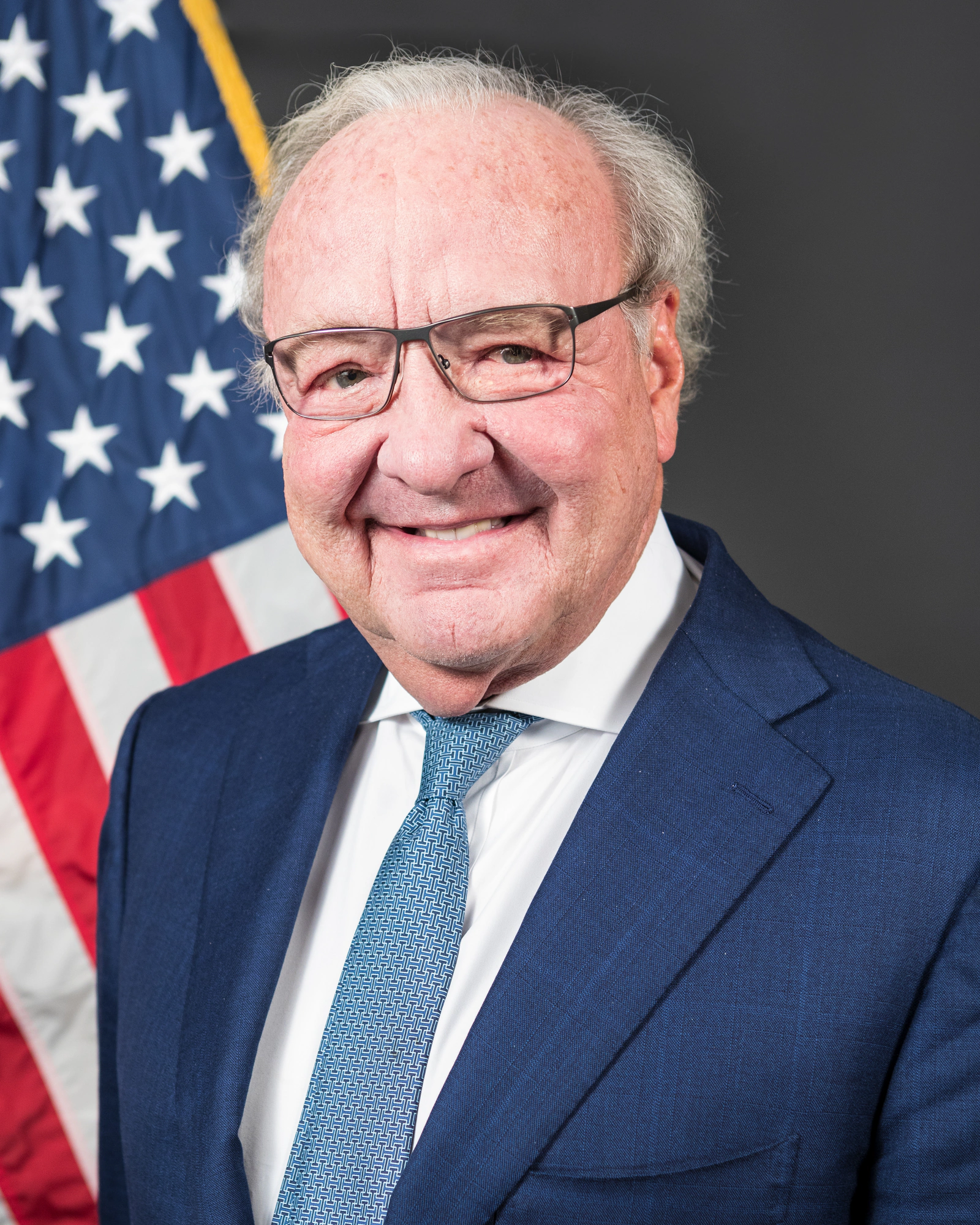
| 12 Quotes | |
| Occup. | Businessman |
| From | USA |
| Born | December 26, 1946 Dallas, Texas |
| Age | 79 years |
| Cite | |
Citation Formats
APA Style (7th ed.)
Tom hicks biography, facts and quotes. (2026, February 11). FixQuotes. https://fixquotes.com/authors/tom-hicks/
Chicago Style
"Tom Hicks biography, facts and quotes." FixQuotes. February 11, 2026. https://fixquotes.com/authors/tom-hicks/.
MLA Style (9th ed.)
"Tom Hicks biography, facts and quotes." FixQuotes, 11 Feb. 2026, https://fixquotes.com/authors/tom-hicks/. Accessed 5 Mar. 2026.
Early Life and Background
Tom Hicks is an American investor and sports-team owner best known for a career that bridged private equity and professional athletics. Born in 1946 and associated throughout his life with Texas and the broader American business community, he came of age as leveraged buyouts were reshaping corporate ownership in the United States. Colleagues and competitors often described him as a dealmaker with an eye for brand-building and consolidation plays, comfortable using debt to assemble large platforms in consumer goods and media.Building a Career in Private Equity
Hicks first came to national prominence in the 1980s through a partnership with Robert Haas that pursued high-profile consumer transactions, including the revival and recombination of well-known beverage labels. He later helped create one of the most visible private equity firms of its era, Hicks, Muse, Tate & Furst, alongside partners John Muse, Charles Tate, and Jack Furst in Dallas. The group became synonymous with buy-and-build strategies: acquiring core assets in sectors like media, broadcasting, and consumer products, then rolling up complementary companies to create scale.Within media, the firm's activity intersected with a wave of radio consolidation. Hicks's brother, Steven Hicks, was a significant figure in that landscape, building radio groups that combined into larger entities and ultimately became part of what was folded into Clear Channel Communications. The proximity of family entrepreneurship, trusted partners such as John Muse, and a supportive banking ecosystem helped Hicks, Muse, Tate & Furst assemble sizable portfolios during the 1990s. While some platforms generated strong returns, others highlighted the risks of aggressive leverage and cyclical markets, a theme that would shadow Hicks's public reputation.
Entry Into Sports Ownership
Hicks became a major sports owner in the mid-to-late 1990s, a move that expanded his public profile well beyond finance. He purchased the NHL's Dallas Stars and, under his ownership, the franchise won the Stanley Cup in 1999, a milestone that made him a celebrated figure among Dallas hockey fans. He also acquired Major League Baseball's Texas Rangers from a group that included future U.S. President George W. Bush. With the Rangers, Hicks pursued star talent and ambitious contracts, the most famous being the landmark deal with shortstop Alex Rodriguez in 2000. The strategy underscored his belief in marquee signings to energize a franchise and its market, even as it tested payroll flexibility and long-term financial planning.Financing, Leverage, and Controversy
The same comfort with leverage that fueled Hicks's private equity ascent also shaped his sports holdings. Hicks Sports Group became a complex, debt-financed umbrella for his franchises and related assets. When credit markets tightened and team revenues lagged expectations, lenders pressed for restructuring. The Rangers were ultimately sold in 2010 to a group that included Nolan Ryan and Chuck Greenberg after a contentious, highly public process. The sale closed a chapter that had begun with optimism and star power but ended under the pressure of obligations to banks and bondholders.Liverpool Football Club
Hicks's most internationally scrutinized venture was his co-ownership of Liverpool FC with George Gillett Jr., completed in 2007. The pair took control with promises of on-field competitiveness and a new stadium. Fans, however, grew alarmed at the level of acquisition debt placed on the club and at delays in delivering the stadium project. Tensions mounted between the co-owners themselves, and between ownership and supporters who organized protests and demanded a change in stewardship. As financing deadlines approached, the Royal Bank of Scotland pushed for a sale. In 2010 Liverpool was sold to New England Sports Ventures, led by John W. Henry and Tom Werner. Hicks fought the process in court but ultimately lost control, and the transfer to new owners marked a highly visible defeat in his sports portfolio. The episode also drew in his son, Tom Hicks Jr., who served on the Liverpool board for a time before resigning amid public controversy, illustrating how intensely personal the club's politics had become.Philanthropy and Civic Presence
Despite the turbulence around certain deals, Hicks cultivated a civic identity in Texas. He supported charitable and educational initiatives, notably in and around the University of Texas at Austin and regional arts and youth programs. Business colleagues often cited his willingness to back institutions connected to athletics and education, areas that mirrored his professional interests in brands, teams, and community visibility. He also maintained ties with partners and former colleagues such as John Muse and Jack Furst, who themselves were active in philanthropy and dealmaking.Business Approach and Key Relationships
Hicks's method emphasized assembling experienced operators and confidants, then giving them latitude to pursue growth. Partners like Charles Tate contributed to the firm-building phase, while family figures such as Steven Hicks provided insight into rapidly changing media landscapes. In sports, he worked with coaches, general managers, and league officials to navigate salary caps, player contracts, and the increasingly sophisticated business of fan engagement. The names associated with his tenure trace a network that spans Wall Street, locker rooms, and boardrooms: George W. Bush at the point of the Rangers transition, Alex Rodriguez as the emblem of a go-big contract philosophy, George Gillett Jr. as a complex co-owner, and John W. Henry as the eventual buyer in Liverpool's high-stakes succession.Later Ventures and Ongoing Investments
After the peak years of Hicks, Muse, Tate & Furst, Hicks continued to invest through his own family office, pursuing opportunities in consumer brands, energy, and sports-adjacent businesses. The later phase of his career emphasized private holdings over public fanfare, reflecting lessons learned from market cycles and the visibility of professional sports. He remained a figure whose calls and capital could open doors, particularly in Texas, where business and civic life often overlap.Legacy and Assessment
Tom Hicks's legacy is a study in scale, ambition, and the double-edged nature of leverage. He helped popularize strategies that consolidated fragmented industries and briefly reshaped sports economics in Dallas, delivering a championship with the Stars and moments of marquee excitement with the Rangers. He also became an example of the limits of debt-fueled expansion, with Liverpool's sale and the Rangers' restructuring underscoring how quickly public sentiment and creditor pressure can converge. Through it all, his career has been defined by the people around him - trusted partners like John Muse, family like Steven Hicks and Tom Hicks Jr., and high-profile counterparts such as George Gillett Jr., Nolan Ryan, Chuck Greenberg, John W. Henry, and Tom Werner - whose interactions with Hicks illuminate both the possibilities and perils of doing big deals in the modern era.Our collection contains 12 quotes written by Tom, under the main topics: Learning - Victory - Sports - Training & Practice - Vision & Strategy.
Source / external links