
Tom Vilsack Biography Quotes 2 Report mistakes
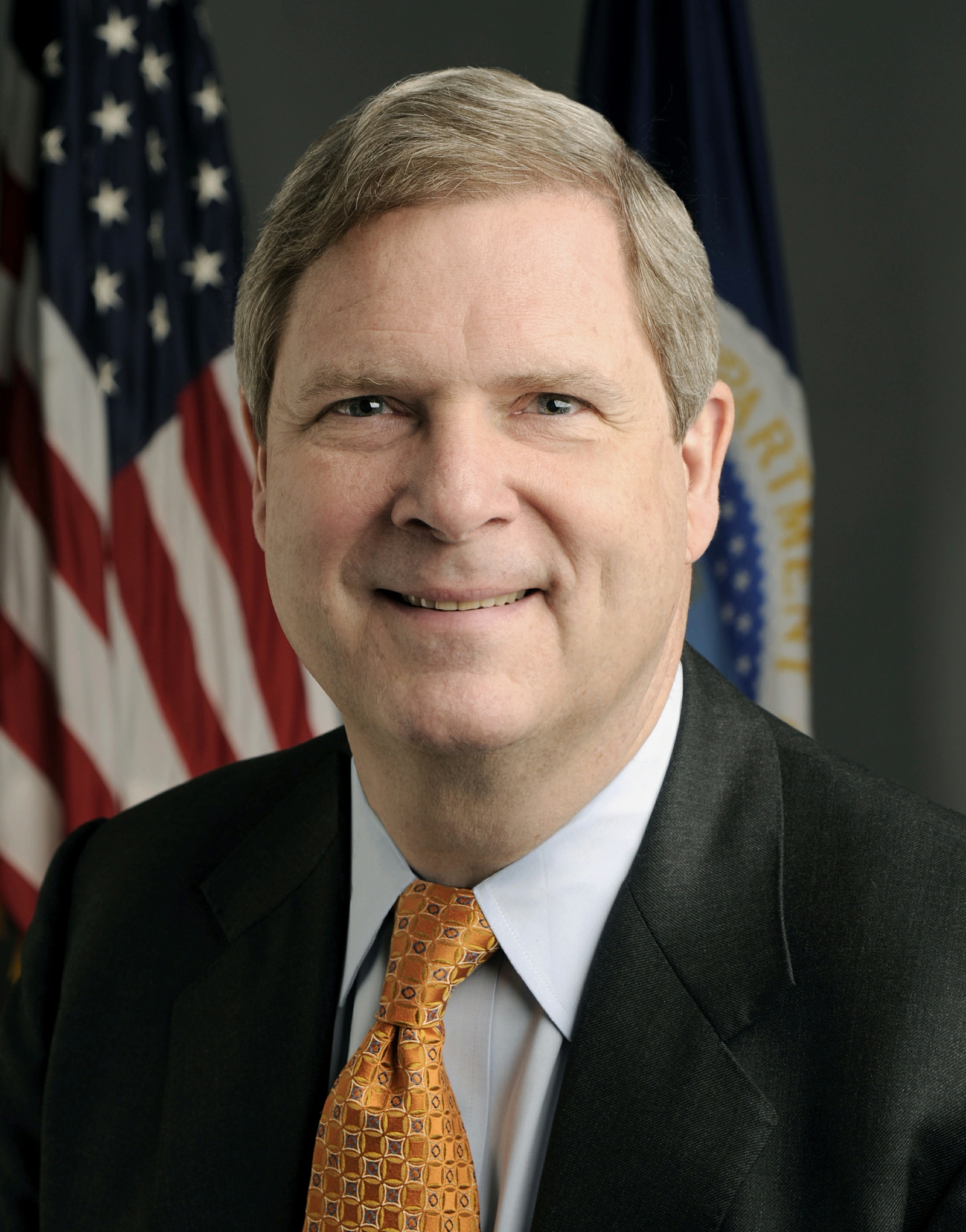
| 2 Quotes | |
| Born as | Thomas James Vilsack |
| Occup. | Politician |
| From | USA |
| Born | December 13, 1950 Pittsburgh, Pennsylvania, U.S. |
| Age | 75 years |
| Cite | |
Citation Formats
APA Style (7th ed.)
Tom vilsack biography, facts and quotes. (2026, February 11). FixQuotes. https://fixquotes.com/authors/tom-vilsack/
Chicago Style
"Tom Vilsack biography, facts and quotes." FixQuotes. February 11, 2026. https://fixquotes.com/authors/tom-vilsack/.
MLA Style (9th ed.)
"Tom Vilsack biography, facts and quotes." FixQuotes, 11 Feb. 2026, https://fixquotes.com/authors/tom-vilsack/. Accessed 5 Mar. 2026.
Early Life and Education
Thomas James Vilsack was born on December 13, 1950, in Pittsburgh, Pennsylvania. Adopted as an infant, he grew up with a keen awareness of family, community, and the opportunities public institutions can provide. He attended Hamilton College in New York, where he earned his undergraduate degree, and then completed a law degree at Albany Law School. Shortly after finishing law school in the mid-1970s, he moved to Iowa with his wife, Christie, and settled in Mount Pleasant. There he began practicing law, building a reputation for diligence and an ability to work across differences to solve practical problems for clients and neighbors.Family and Personal
Vilsack married Christie Vilsack, a teacher and literacy advocate whose career in public service and education would parallel his own. As Iowa's First Lady, Christie championed libraries and reading, and later pursued public office herself. Together they raised two sons and remained rooted in Iowa even as his responsibilities took him to national and international venues. Vilsack's personal story, which includes being adopted and later speaking publicly about the importance of mental health and addiction recovery, informed a leadership style that emphasized empathy, second chances, and pragmatic problem-solving.Entry into Public Service
Vilsack's path into elected office began in local government. A tragic shooting at a Mount Pleasant city council meeting in the 1980s, in which Mayor Ed King was killed, galvanized community members to seek steady leadership. Vilsack stepped forward, winning a seat on the city council and then serving as mayor. His tenure emphasized fiscal prudence, community revitalization, and restoring civic trust. Building on that record, he won election to the Iowa Senate, where he worked on education, health care, and rural development issues. His ability to negotiate across party lines, collaborate with community leaders, and focus on measurable outcomes led many in Iowa to view him as a consensus builder.Governor of Iowa
In 1998, Vilsack was elected governor of Iowa, becoming the state's first Democratic governor in decades, succeeding Republican Terry Branstad and later succeeded by Democrat Chet Culver. With Lieutenant Governor Sally Pederson, he concentrated on education funding, teacher quality, and early childhood initiatives. He promoted renewable fuels, especially ethanol and biodiesel, aligning environmental and rural economic goals. He advanced a rural agenda that included entrepreneurship support, infrastructure, and conservation. Notably, he issued an executive order to restore voting rights to many Iowans who had completed felony sentences, reflecting his emphasis on redemption and civic participation. Throughout his two terms, he worked closely with Iowa's congressional delegation, including Senators Tom Harkin and Chuck Grassley, to advocate for farm policy and rural priorities at the federal level. He also chaired the Democratic Governors Association, underscoring his growing role in national policy discussions.National Politics and the Obama Years
Vilsack briefly sought the Democratic nomination for president ahead of the 2008 election, then endorsed Hillary Clinton. After the general election, President Barack Obama nominated him to serve as Secretary of Agriculture. Confirmed in 2009, Vilsack became a central figure in shaping farm, food, and rural policy during a period marked by economic recovery efforts and sweeping changes to nutrition and conservation programs. He worked closely with First Lady Michelle Obama on child nutrition and school meal standards, and he engaged with lawmakers of both parties to implement provisions of major farm bills. Under Obama, he also chaired interagency efforts to support rural communities, linking agriculture to energy, health care access, and broadband deployment.USDA Leadership, 2009-2017
As Secretary of Agriculture, Vilsack focused on strengthening the farm safety net while expanding opportunity in rural America. He supported the Supplemental Nutrition Assistance Program and modernized nutrition outreach, and helped launch the MyPlate initiative as a practical framework for healthy eating. He elevated civil rights at the department, overseeing settlements and reforms aimed at addressing longstanding discrimination claims by Black, Native American, Hispanic, and women farmers. He advanced biofuels and biobased manufacturing, encouraged conservation partnerships, and improved access to credit for beginning and small farmers through initiatives such as microloans. During the 2015 avian influenza outbreak that heavily affected poultry producers in the Midwest, including Iowa, he coordinated response and recovery efforts with states, producers, and federal partners. Throughout, he collaborated with congressional leaders on agriculture committees, including Senator Debbie Stabenow and other members, to sustain bipartisan support for rural development and conservation.Private Sector and Policy Work
After leaving the Obama administration in 2017, Vilsack became president and CEO of the U.S. Dairy Export Council. In that role he worked with producers, processors, and trade partners to expand market access and navigate shifting global supply chains. His work centered on improving competitiveness, promoting science-based standards, and helping U.S. dairy producers adapt to evolving consumer preferences and trade rules.Return to the Cabinet
President Joe Biden nominated Vilsack to return as Secretary of Agriculture in 2021, and he was confirmed with bipartisan support. In his second tenure, with Vice President Kamala Harris as a key partner in the administration, he helped implement pandemic-related relief for producers and nutrition assistance for families, and addressed supply chain disruptions. He launched and expanded climate-smart initiatives to reduce greenhouse gas emissions and reward farmers, ranchers, and forest owners for adopting climate-friendly practices, leveraging new conservation resources enacted by Congress. He advanced rural broadband deployment, supported meat and poultry processing capacity to bolster competition, and strengthened forestry and wildfire resilience. He also worked to deliver debt relief for distressed borrowers and pursued equity initiatives to make USDA programs more accessible. Internationally, he coordinated with other Cabinet officials on food security and agricultural trade during a period of geopolitical instability.Leadership and Legacy
Across decades in public service, Tom Vilsack has been known for pragmatic coalition-building and a steady focus on rural people and places. From his beginnings in Mount Pleasant city government to the governor's office, and from two tours as Secretary of Agriculture under Presidents Barack Obama and Joe Biden, he has emphasized education, nutrition, conservation, and economic opportunity. Colleagues such as Sally Pederson and Christie Vilsack, as well as national figures including Michelle Obama and Hillary Clinton, have intersected with his career at pivotal moments, reflecting the breadth of his policy interests and relationships. His legacy is one of persistence: aligning farm policy with environmental stewardship, strengthening nutrition programs for families, promoting renewable energy and innovation, and ensuring that rural communities have a seat at the table in America's economic future.Our collection contains 2 quotes written by Tom, under the main topics: Military & Soldier - Human Rights.
Other people related to Tom: Sonny Perdue (Politician)
Source / external links