
Tony Lema Biography Quotes 4 Report mistakes
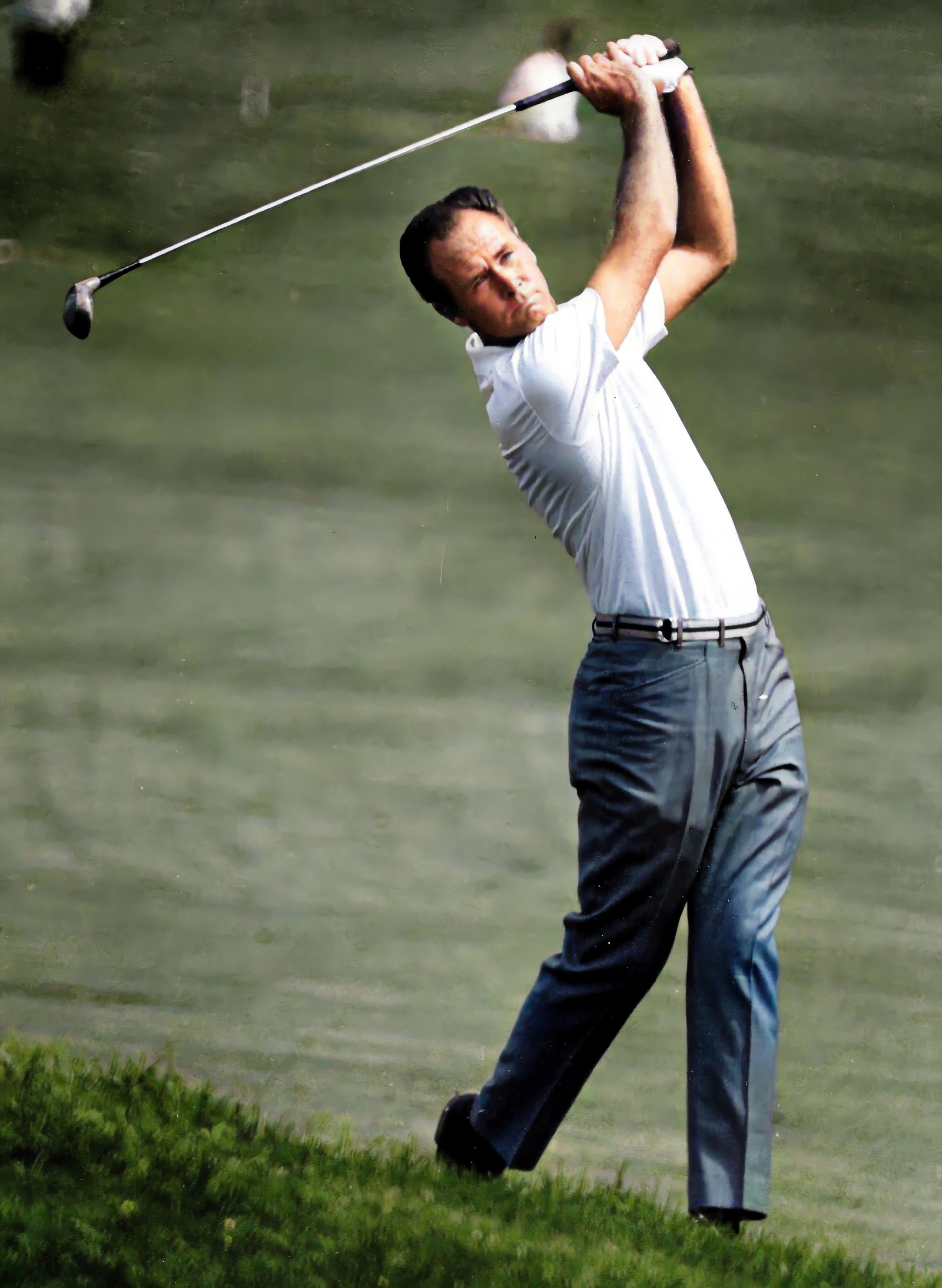
| 4 Quotes | |
| Born as | Anthony Lema |
| Occup. | Athlete |
| From | USA |
| Spouse | Betty Lema |
| Born | February 25, 1934 Chicago, Illinois, USA |
| Died | July 24, 1966 Dublin, Ohio, USA |
| Cause | Plane crash |
| Aged | 32 years |
| Cite | |
Citation Formats
APA Style (7th ed.)
Tony lema biography, facts and quotes. (2026, February 11). FixQuotes. https://fixquotes.com/authors/tony-lema/
Chicago Style
"Tony Lema biography, facts and quotes." FixQuotes. February 11, 2026. https://fixquotes.com/authors/tony-lema/.
MLA Style (9th ed.)
"Tony Lema biography, facts and quotes." FixQuotes, 11 Feb. 2026, https://fixquotes.com/authors/tony-lema/. Accessed 12 Feb. 2026.
Early Life and Introduction to Golf
Anthony David "Tony" Lema was born in 1934 in Oakland, California, and grew up in the East Bay at a time when public courses were the gateway for anyone with talent and determination. He found the game at municipal facilities, most notably the hilly fairways of Lake Chabot Golf Course, where he learned to flight shots in coastal winds and shape the ball off uneven lies. The combination of natural athleticism and a feel for shotmaking quickly set him apart from other local juniors. In the close-knit Northern California golf scene, he began to attract attention from experienced pros and teachers who recognized the potential beneath his breezy smile and assertive swing.Service and Early Professional Years
Lema served in the United States Marine Corps during the Korean War era, an experience that added discipline and resilience to a personality already inclined toward boldness. After his service he pursued golf full time, working his way into regional events and then the PGA Tour. The transition was not easy. Money was scarce, travel was exhausting, and results came in fits and starts. He endured lean stretches that would test any young professional, but he kept his card, tightened his technique, and leaned on guidance from respected Bay Area instructor Lucius Bateman, whose simple, rhythmic fundamentals helped Lema find a repeatable move under pressure.Breakthrough and Rise on the PGA Tour
The early 1960s brought the breakthrough. Lema assembled a string of strong finishes that turned into victories, and the sense of flair that marked his game began to define his presence on tour. He hit the ball with authority, putted with a confident stroke, and carried himself with an entertainer's timing. In a period dominated by giants such as Arnold Palmer, Jack Nicklaus, and Gary Player, he carved a place in the spotlight by winning repeatedly and delivering the kind of theater that draws crowds to the ropes. Fellow Northern Californian Ken Venturi, a frequent practice-round companion and occasional rival, was among those who recognized that Lema's game had matured into something formidable: a blend of precision iron play and an aggressive mindset that could overtake leaderboards in a hurry."Champagne Tony" and the Public Persona
Lema's charisma became part of golf's lore. After an early victory he famously treated the media to champagne, a gesture that captured his mix of charm and confidence and led reporters to dub him "Champagne Tony". The nickname stuck, and with it came an image: impeccably dressed, quick with a quip, and generous with fans and press. The moniker never overshadowed his competitiveness; if anything, it heightened the expectations he placed on himself. He understood that showmanship, when backed by substance, could broaden the sport's appeal during an era when television was beginning to broadcast golf's personalities into living rooms across the country.The 1964 Open Championship
Lema's defining achievement arrived at the 1964 Open Championship at St Andrews, the Old Course whose subtleties have unmade many visiting champions. Despite limited prior experience on British links, he embraced the different demands of the ground game, holding trajectories down and thinking his way around the humps and hollows. His caddie that week, the famed St Andrews looper Tip Anderson, made an indelible contribution, guiding club selections and green reads with a local's eye. Lema trusted him, played with restraint when the situation called for it, and struck decisively when openings appeared. The result was a masterful victory on the sport's most storied stage, a win that resonated on both sides of the Atlantic and placed Lema firmly among the premier players of his time. Jack Nicklaus, already a major champion and one of the era's measuring sticks, was in the chase that week, underscoring the scale of Lema's accomplishment.Contemporaries, Influences, and Team Golf
Within the locker rooms and team rooms of the era, Lema proved as valuable as he was on the course. He represented the United States in international team competition, where his blend of competitive fire and camaraderie fit naturally. His contemporaries, Palmer, Nicklaus, Player, and Venturi, helped define an age of deep fields and intense rivalries that elevated the entire sport. Lema's swing bore the imprint of his West Coast tutelage, and his course management reflected lessons learned from mentors like Lucius Bateman and from countless rounds on windy municipal courses. With peers at the top of their powers, every victory felt significant and every Sunday offered a chance to measure himself against the best.Personal Life
Away from the course, Lema married Betty, whose steady presence complemented his itinerant life on tour. Friends and fellow players often remarked on the warmth of their partnership. The demands of the circuit, long weeks on the road, practice, pro-ams, and the constant chase for form, can strain even the strongest relationships, but Betty's support became part of Lema's equilibrium. In galleries and clubhouses, he exuded ease, but those who knew him recognized the discipline beneath the smile: early practice, deliberate preparation, and a respect for the history of the game that his 1964 triumph only deepened.Style of Play and Competitive Traits
Lema played with an assertive tempo and a willingness to hit the shot the moment demanded. He was not reckless; rather, he combined courage with a keen sense of percentages. On firm turf he could pinch irons crisply, controlling spin and launch; on soft courses he took dead aim and relied on a reliable putting stroke that withstood the pressure of televised Sundays. He was a closer. When momentum swung his way he rode it with confidence, stacking birdies and willing himself to the finish line. That trait, more than any single statistic, defined his stretch of wins in the early to mid-1960s.Tragedy and Legacy
In 1966, at just 32 years old, Tony Lema's life and career ended in a small-plane crash near Chicago, Illinois. His wife Betty died with him. The news stunned the sports world. In a few short years he had moved from promising talent to major champion, from regional standout to international figure. Colleagues who had battled him down the stretch, Palmer with his go-for-broke electricity, Nicklaus with relentless precision, Player with tenacious shotmaking, expressed a common sentiment: that Lema's best golf might still have been ahead of him. The loss extended beyond the scoreboards. He had become an ambassador for the sport, showing how American professionals could bring personality to the world stage while honoring the traditions of the game.Enduring Recognition
Time has preserved the highlights: the stride across the St Andrews turf with Tip Anderson at his side, the champagne toasts that followed wins, the crowd-pleasing grin that hinted at show business while concealing a grinder's will. His story remains firmly rooted in Northern California's fertile golf culture, public courses, dedicated teachers like Lucius Bateman, and a lineage that also produced champions such as Ken Venturi. It also lives in the major-championship record books and in the memory of those who watched him face down the best of his generation.Assessment
Tony Lema's biography reads as a condensed epic: the Oakland beginnings, the discipline of the Marines, the hard lessons of early Tour life, the meteoric rise, the crowning major across the Atlantic, and the abrupt, heartbreaking end. He left behind the profile of a champion who combined skill with style and seriousness with sparkle. In a pivotal era for professional golf, he stood shoulder to shoulder with the era's giants and, in the 1964 Open Championship, beat them on the sport's grandest ancient ground. The nickname "Champagne Tony" endures, but it is the substance, his competitive courage, his respect for caddies like Tip Anderson, the mentorship he accepted from teachers like Lucius Bateman, and the companionship he shared with Betty, that gives the name its lasting meaning.Our collection contains 4 quotes written by Tony, under the main topics: Sports - Training & Practice - Honesty & Integrity - Relationship.
Source / external links